
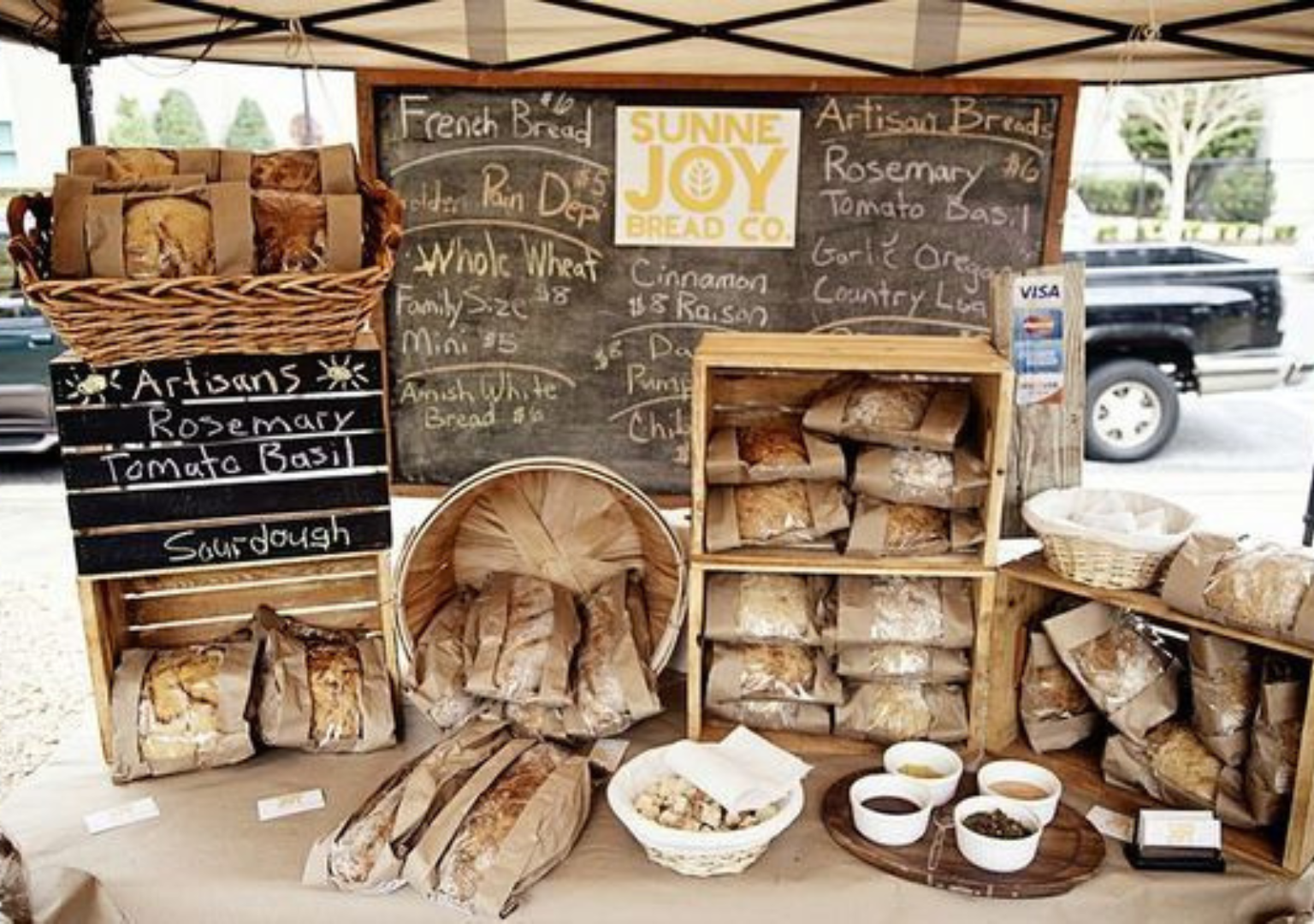
Learning to bake is one challenge. Learning to attract customers is another.
If you dream of turning baking into income — whether part-time or full-time — understanding basic marketing principles is essential. You don’t need a large budget or complex strategies. You need clarity, consistency, and professionalism.
Let’s explore how beginner bakers can start marketing effectively and build a loyal customer base from scratch.
Step 1: Define Your Target Audience
Before promoting anything, ask:
- Who am I selling to?
- Families?
- Health-conscious customers?
- Coffee lovers?
- Local restaurants?
Trying to reach everyone often weakens your message.
Clarity helps you position your products correctly.
For example:
- Sourdough → Health-focused or artisan audience
- Sweet rolls → Family and breakfast crowd
- Whole grain bread → Nutrition-conscious buyers
Clear positioning improves results.
Step 2: Start With One Strong Product
As a beginner, avoid offering too many options.
Focus on:
- One signature artisan loaf
- Or one standout sweet item
- Or one specialty product (like focaccia or brioche)
Perfect it.
Consistency builds trust faster than variety.
Once demand grows, expand gradually.
Step 3: Use Social Media Strategically
Baking is highly visual.
Platforms like Instagram and Facebook are powerful tools for beginners.
Share:
- Fresh bread out of the oven
- Crumb structure close-ups
- Behind-the-scenes fermentation
- Dough shaping videos
- Customer testimonials
Quality images matter.
Natural light and clean backgrounds elevate perception instantly.
Consistency in posting builds familiarity.
Step 4: Build Trust Through Transparency
Customers appreciate honesty.
Share:
- Ingredients used
- Fermentation methods
- No preservatives
- Natural processes
Transparency increases perceived value.
Artisan baking often attracts customers who care about process and quality.
Step 5: Price Confidently and Correctly
Underpricing may seem like a way to attract buyers — but it often creates long-term problems.
Calculate:
- Ingredient cost
- Labor time
- Packaging cost
- Overhead expenses
Price fairly.
Quality bread requires time and skill.
Customers who value craftsmanship understand this.
Step 6: Offer Samples Strategically
Sampling builds interest.
You can:
- Offer small tasting pieces at local events
- Collaborate with coffee shops
- Share samples with friends and neighbors
Word-of-mouth marketing is powerful in local markets.
Satisfied customers become promoters.
Step 7: Use Customer Feedback
Ask early buyers:
- What did you enjoy most?
- What could improve?
- Would you recommend this product?
Feedback helps refine quality and marketing approach.
Positive testimonials can be shared (with permission).
Social proof builds credibility.
Step 8: Partner With Local Businesses
Local partnerships can increase exposure.
Consider:
- Supplying bread to small cafes
- Collaborating with coffee shops
- Selling at farmers’ markets
- Partnering with specialty grocery stores
Even small collaborations increase visibility.
Relationships build reputation.
Step 9: Create a Simple Brand Identity
You don’t need complex branding.
But consistency matters.
Choose:
- A simple logo
- Clean packaging
- A consistent color theme
- A clear product name
Brand identity increases memorability.
Professional presentation builds trust.
Step 10: Maintain Excellent Customer Service
Marketing doesn’t end after the sale.
Respond promptly to messages.
Deliver on time.
Be polite and professional.
Handle complaints calmly.
Customer experience influences repeat business.
Repeat customers build stability.
Step 11: Focus on Quality Before Scaling
Expanding too quickly can reduce quality.
Before increasing production:
- Ensure consistent fermentation
- Standardize shaping
- Perfect oven timing
- Build repeat customers
Growth should follow mastery.
Quality is your strongest marketing tool.
Step 12: Highlight What Makes You Different
Ask yourself:
- Do you use natural fermentation?
- Do you focus on whole grains?
- Do you avoid additives?
- Do you use long fermentation for better digestion?
Your differentiation creates identity.
Clear messaging helps customers understand why your bread is special.
Step 13: Track Sales and Demand
Basic record keeping improves business decisions.
Track:
- Best-selling items
- Slow-moving products
- Seasonal demand
- Repeat customers
Data supports smarter marketing decisions.
Guesswork limits growth.
Step 14: Be Patient and Consistent
Marketing takes time.
Early weeks may feel slow.
Consistency in:
- Product quality
- Online presence
- Customer communication
builds momentum gradually.
Trust grows over time.
Step 15: Avoid Common Marketing Mistakes
Avoid:
- Offering too many products at once
- Inconsistent posting
- Poor product photos
- Underpricing
- Ignoring customer communication
Simplicity and professionalism outperform complexity.
Turning Passion Into Income
Marketing is not about manipulation.
It’s about communicating value.
When you:
- Bake consistently
- Present professionally
- Price responsibly
- Engage respectfully
customers notice.
Reputation builds naturally.
Final Thoughts: Quality First, Promotion Second
Marketing cannot compensate for poor quality.
Focus first on:
- Strong fermentation
- Proper shaping
- Consistent crumb
- Balanced flavor
Once quality is stable, promotion amplifies it.
The most powerful marketing tool for a baker is a satisfied customer.
Bake with excellence.
Communicate clearly.
Grow gradually.
With discipline and consistency, your first customers can become long-term supporters.
And that’s how a beginner baker begins building a sustainable business.