
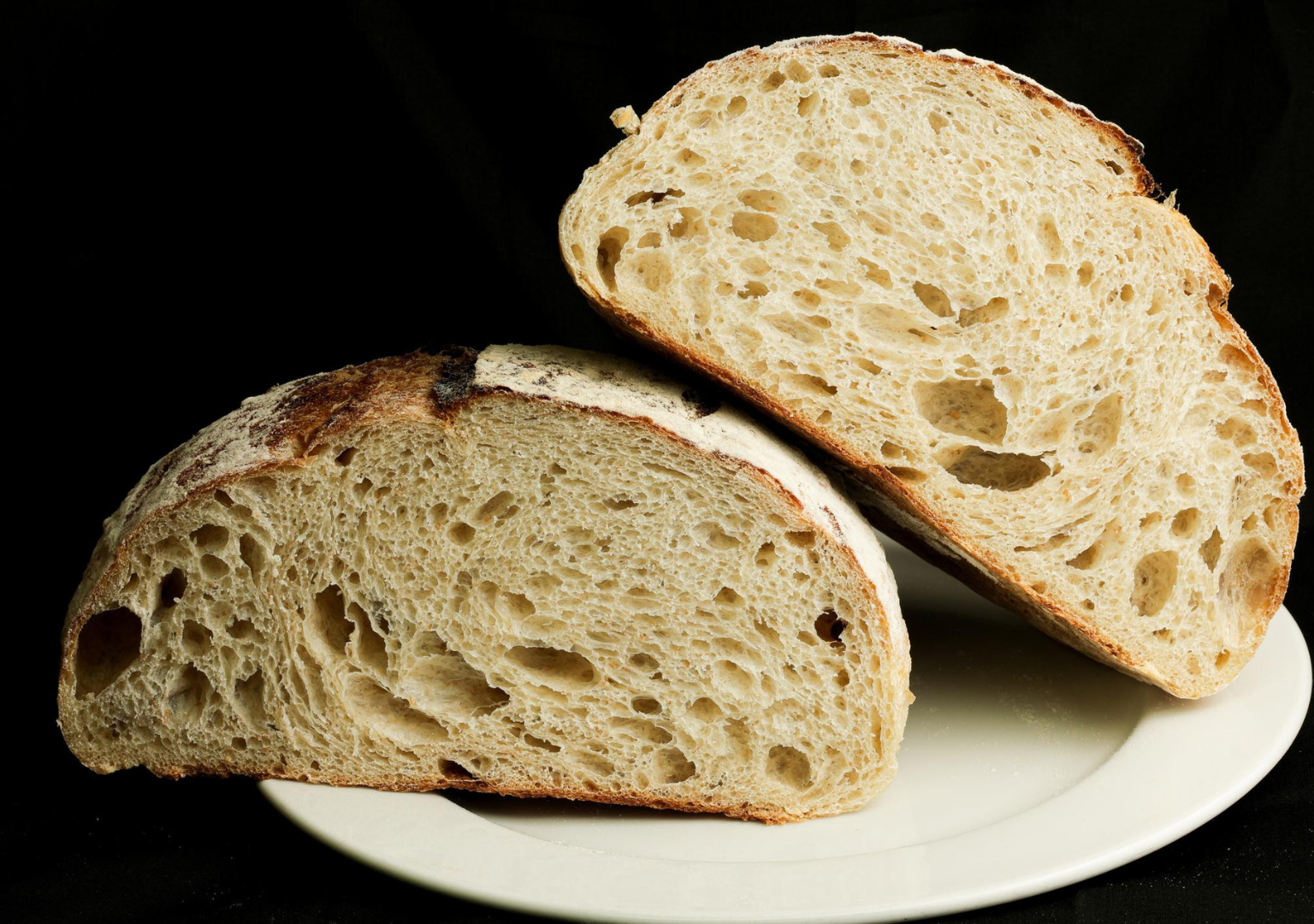
Sourdough baking has gained global attention for its deep flavor, crisp crust, and natural fermentation process. For aspiring bakers, mastering sourdough is often seen as a milestone — a sign of technical growth and deeper understanding of fermentation.
But sourdough can feel intimidating at first. Unlike commercial yeast baking, natural fermentation requires patience, observation, and consistent care.
If you want to start working with sourdough confidently, this guide will help you build a strong foundation.
What Is Sourdough?
Sourdough bread uses a natural starter instead of commercial yeast.
A sourdough starter is a living culture made from:
- Flour
- Water
- Wild yeast
- Beneficial bacteria
These microorganisms ferment sugars in flour, producing:
- Carbon dioxide (which makes the dough rise)
- Organic acids (which create flavor)
The result is bread with:
- Complex taste
- Chewy crumb
- Crisp crust
- Improved shelf life
Understanding this natural process is key to success.
Creating Your First Sourdough Starter
You can create a starter at home using only flour and water.
Basic Starter Method
Day 1:
- Mix equal parts flour and water
- Stir thoroughly
- Leave at room temperature
Days 2–5:
- Discard a portion daily
- Feed with fresh flour and water
- Maintain consistency
After about 5–7 days, the starter should:
- Bubble consistently
- Rise and fall predictably
- Develop a mildly tangy aroma
Patience is essential during this stage.
Understanding Starter Health
A healthy starter:
- Doubles in size within a few hours after feeding
- Smells pleasantly sour
- Shows visible bubbles
- Has elastic consistency
If your starter smells unpleasant or shows mold, discard it and restart.
Consistency and cleanliness protect culture quality.
Feeding Schedule and Maintenance
Sourdough requires ongoing care.
You can maintain your starter by:
- Feeding daily at room temperature
- Refrigerating and feeding weekly
- Keeping hydration consistent
Hydration refers to the ratio of water to flour in the starter.
Many beginners use a 100% hydration starter (equal weights of flour and water).
Regular feeding keeps yeast and bacteria balanced.
How Natural Fermentation Differs from Commercial Yeast
Sourdough fermentation:
- Takes longer
- Produces more complex flavor
- Is influenced heavily by temperature
- Requires observation rather than strict timing
Commercial yeast fermentation:
- Is faster
- More predictable
- Less complex in flavor
Sourdough demands attentiveness.
You must learn to “read” the dough.
First Sourdough Bread: Keep It Simple
Start with a basic formula:
- Flour
- Water
- Salt
- Active starter
Avoid adding seeds or complex flour blends in your first attempts.
Focus on:
- Hydration control
- Fermentation timing
- Proper shaping
- Oven technique
Master simplicity first.
Bulk Fermentation in Sourdough
Bulk fermentation is critical in sourdough baking.
Because fermentation is slower, you’ll need to monitor:
- Dough volume increase
- Elasticity
- Gas development
Stretch-and-fold techniques help strengthen gluten during bulk fermentation.
Perform folds every 30–60 minutes during the first few hours.
This builds structure without overmixing.
Shaping and Final Proof
After bulk fermentation:
- Gently pre-shape the dough
- Let it rest briefly
- Perform final shaping
Proper shaping builds surface tension and supports oven spring.
Final proof can happen:
- At room temperature
- In the refrigerator overnight
Cold proofing enhances flavor and scoring definition.
Learning the Signs of Proper Fermentation
Timing alone is unreliable.
Look for:
- Dough that feels airy but structured
- Visible bubbles near the surface
- Slight expansion in volume
- Elastic texture
The poke test can help:
- Quick bounce → Underproofed
- Slow return → Ready
- Collapse → Overproofed
Observation builds intuition.
Common Beginner Sourdough Mistakes
Avoid these common errors:
- Using inactive starter
- Skipping feeding schedule
- Rushing fermentation
- Overhandling dough
- Ignoring temperature control
Sourdough is less forgiving than commercial yeast — but highly rewarding when handled correctly.
Temperature Control Matters
Temperature significantly affects sourdough.
Warmer conditions:
- Speed fermentation
- Increase acidity
Cooler conditions:
- Slow fermentation
- Enhance flavor complexity
Ideal dough temperature often ranges between 24–26°C (75–79°F).
Using a thermometer improves consistency.
Achieving Good Oven Spring
To improve oven spring:
- Fully preheat your oven
- Use a baking stone or steel
- Add steam during the first 10–15 minutes
- Score confidently with a sharp blade
Steam keeps the crust flexible early in baking.
Without steam, expansion is restricted.
Analyzing Your Crumb Structure
After baking, evaluate your bread:
- Is the crumb open and airy?
- Is it dense and compact?
- Are there large uneven tunnels?
- Is texture gummy?
Dense crumb may indicate underproofing.
Gummy texture may suggest underbaking.
Analysis guides refinement.
Building Confidence With Practice
Sourdough requires repetition.
Each bake teaches:
- Starter behavior
- Fermentation timing
- Hydration balance
- Temperature effects
Do not expect perfection immediately.
Skill develops through consistent experimentation.
Why Sourdough Is Valuable for Aspiring Professionals
Mastering sourdough:
- Strengthens fermentation knowledge
- Improves dough handling skills
- Builds patience
- Enhances flavor development expertise
Artisan bakeries highly value sourdough competence.
It demonstrates technical depth.
Staying Consistent
To improve steadily:
- Bake regularly
- Maintain feeding routine
- Record hydration and timing
- Adjust one variable at a time
Consistency accelerates mastery.
Final Thoughts: Respect the Process
Sourdough is alive.
It requires attention, patience, and care.
But the rewards are significant:
- Complex flavor
- Beautiful crust
- Unique crumb
- Deep satisfaction
When you master natural fermentation, you elevate your baking to a new level.
Start simple.
Observe carefully.
Practice consistently.
Over time, what once felt unpredictable will become intuitive.
Sourdough isn’t just bread — it’s a craft built on understanding and discipline.
And with dedication, you can master it.