
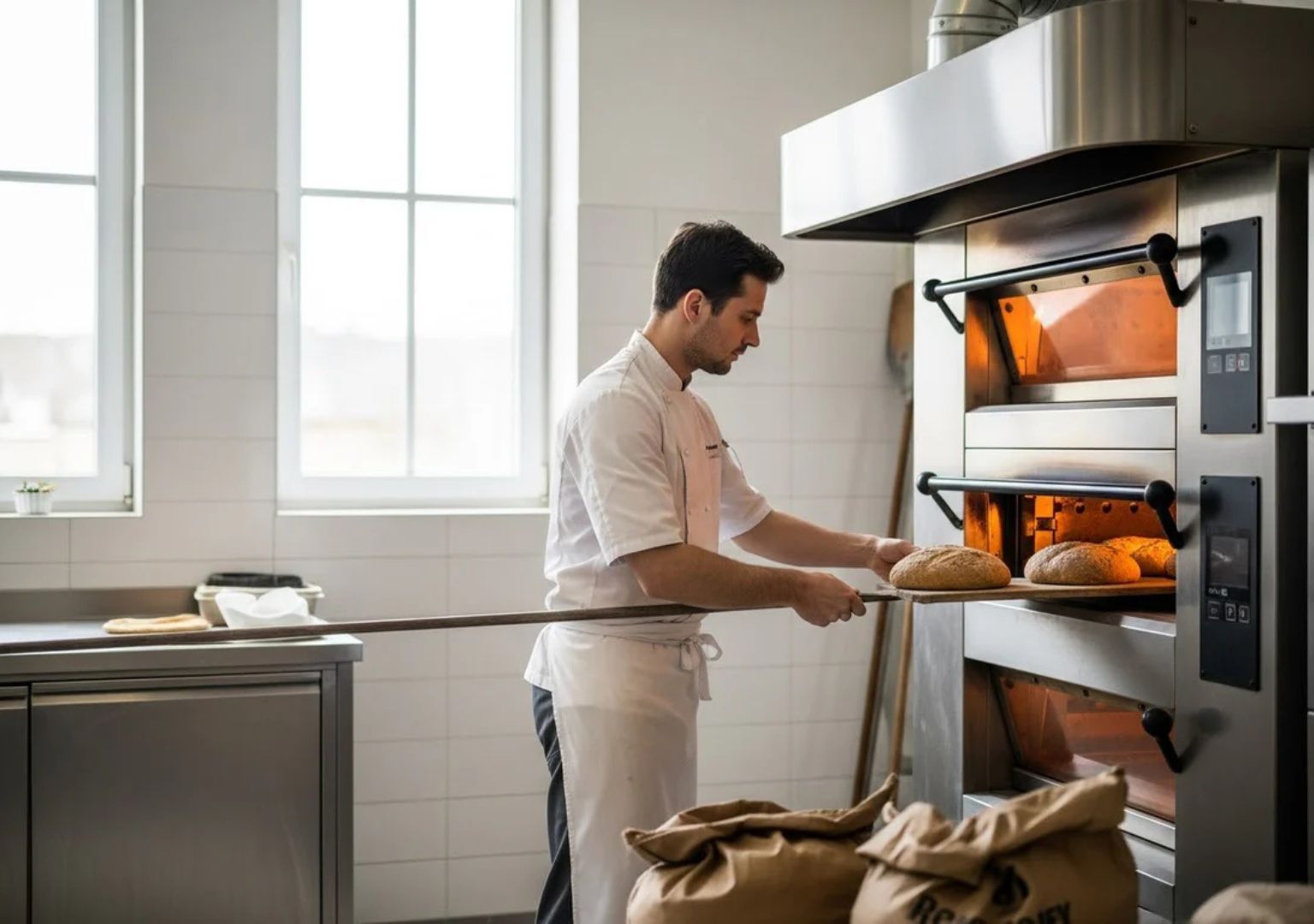
Dreaming of becoming a baker is more than just loving the smell of fresh bread. It’s about discipline, passion, technique, and the willingness to wake up before sunrise to craft something meaningful with your hands. Baking is both an art and a science, and starting from scratch can feel overwhelming.
The good news? You don’t need to be born into a bakery family or attend the most expensive culinary school to begin. With the right guidance, practice, and mindset, you can build a strong foundation and grow into a confident professional baker.
Let’s explore the essential steps to help you turn your dream into reality.
Understand What Being a Baker Really Means
Before diving into flour and yeast, it’s important to understand the profession.
A baker:
- Works early mornings or overnight shifts
- Handles repetitive but precise tasks
- Follows strict hygiene and safety standards
- Needs physical stamina
- Must maintain consistency in quality
Baking is not just about creativity. It requires precision, patience, and resilience. Temperatures, measurements, humidity, and fermentation times all influence the final product.
If you enjoy structure, hands-on work, and seeing tangible results at the end of your effort, you’re already on the right path.
Learn the Fundamentals of Baking
Every great baker starts with the basics. Before experimenting with advanced techniques, focus on mastering foundational knowledge.
1. Ingredients and Their Roles
Understanding ingredients is crucial:
- Flour provides structure through gluten development.
- Yeast is responsible for fermentation and rising.
- Salt enhances flavor and strengthens gluten.
- Water hydrates flour and activates yeast.
- Sugar feeds yeast and adds sweetness.
- Fats (butter, oil) create tenderness and flavor.
Knowing how these elements interact will help you troubleshoot problems later.
2. Measurement Accuracy
Professional baking relies on weight, not volume. Invest in a digital kitchen scale early. Precision prevents inconsistent results and builds professional habits.
3. Basic Techniques
Start practicing:
- Kneading dough properly
- Understanding fermentation stages
- Shaping loaves
- Scoring bread
- Monitoring oven spring
Mastery of basics builds confidence.
Start Practicing at Home
You don’t need a commercial oven to begin. Many professional bakers started in small home kitchens.
Start with simple recipes:
- White sandwich bread
- Dinner rolls
- Focaccia
- Basic sourdough
- Sweet buns
Keep a baking journal. Write down:
- Ingredients used
- Hydration percentage
- Fermentation time
- Room temperature
- Final result
This habit will accelerate your learning curve and make you think like a professional.
Take a Course (If Possible)
While self-learning works, structured education can speed up your progress.
Options include:
- Local vocational schools
- Online baking classes
- Culinary institutes
- Short-term professional workshops
Courses teach hygiene standards, production planning, and large-scale baking processes that home practice alone may not cover.
If formal education isn’t possible, invest in high-quality books and credible online resources. Focus on learning from experienced professionals rather than random tutorials.
Build Discipline and Routine
Baking is about repetition and consistency. To succeed:
- Wake up early and practice morning routines
- Follow recipes strictly before modifying them
- Clean as you work
- Organize ingredients before starting
Professional kitchens value reliability as much as talent.
Discipline separates hobbyists from future professionals.
Understand Fermentation Deeply
Fermentation is the heart of bread baking. Learning how yeast behaves under different conditions is essential.
Key factors affecting fermentation:
- Temperature
- Hydration
- Flour type
- Salt percentage
- Time
Experiment with:
- Cold fermentation in the refrigerator
- Room temperature fermentation
- Natural sourdough starters
The more you observe dough behavior, the more intuitive baking becomes.
Develop Physical and Mental Stamina
Working as a baker is physically demanding. You’ll stand for long hours, lift heavy flour bags, and manage heat from ovens.
To prepare:
- Strengthen your posture
- Wear proper kitchen shoes
- Stay hydrated
- Maintain a healthy sleep routine
Mental stamina is equally important. Production days can be stressful, especially in commercial environments. Staying calm under pressure is a valuable skill.
Get Experience in a Real Bakery
Nothing replaces hands-on experience in a professional setting.
Look for:
- Internship opportunities
- Entry-level assistant positions
- Apprenticeships
Even washing dishes in a bakery exposes you to workflow, timing, and professional standards.
When applying:
- Show genuine interest
- Be willing to learn
- Demonstrate punctuality
- Accept starting small
Every expert once began as a beginner.
Learn About Equipment
As you grow, familiarize yourself with professional tools:
- Deck ovens
- Convection ovens
- Spiral mixers
- Dough dividers
- Proofing cabinets
Understanding equipment operation increases your value as a baker.
At home, you can start with:
- Digital scale
- Bench scraper
- Dough scraper
- Thermometer
- Baking stone or steel
Simple tools, used correctly, can produce excellent results.
Study Food Safety and Hygiene
Professional baking demands strict hygiene standards.
Learn about:
- Cross-contamination prevention
- Proper storage temperatures
- Safe handling of ingredients
- Cleaning protocols
Food safety knowledge builds credibility and professionalism.
Experiment and Find Your Style
Once you master the basics, begin exploring:
- Artisan sourdough
- Whole grain breads
- Brioche and enriched doughs
- Rustic European-style loaves
- Modern creative breads
Finding your specialty can differentiate you in the market.
Some bakers focus on:
- Traditional methods
- Organic ingredients
- Decorative bread art
- Health-conscious baking
Your identity as a baker develops over time.
Learn Basic Business Skills
If you dream of opening your own bakery someday, start developing business awareness early.
Understand:
- Ingredient cost calculation
- Pricing strategies
- Waste control
- Customer service
- Branding basics
Even if you plan to work as an employee, understanding the business side makes you more valuable.
Build a Portfolio
Document your journey.
Take high-quality photos of:
- Finished loaves
- Crumb structure
- Dough shaping process
- Special creations
Share your work on social media or build a simple portfolio. This helps when applying for jobs or attracting clients.
Consistency in presentation reflects professionalism.
Stay Updated With Industry Trends
The baking world evolves constantly.
Current trends include:
- Long fermentation methods
- Ancient grains
- Natural leavening
- Sustainable production
- Health-oriented breads
Continuous learning keeps you competitive.
Be Patient With Yourself
Progress in baking takes time.
You will:
- Overproof dough
- Underbake loaves
- Burn a batch
- Miscalculate hydration
Mistakes are part of the learning process. Every failed loaf teaches something valuable.
Patience and persistence are the true ingredients of success.
Turning Passion Into Profession
Starting a career as a baker from scratch requires courage, discipline, and continuous learning. Begin small, practice consistently, seek experience, and never stop improving your craft.
The smell of fresh bread at dawn, the satisfaction of perfect crust and crumb, and the joy of serving something made by your own hands make the journey worthwhile.
If baking is your dream, take the first step today. The oven is waiting.