
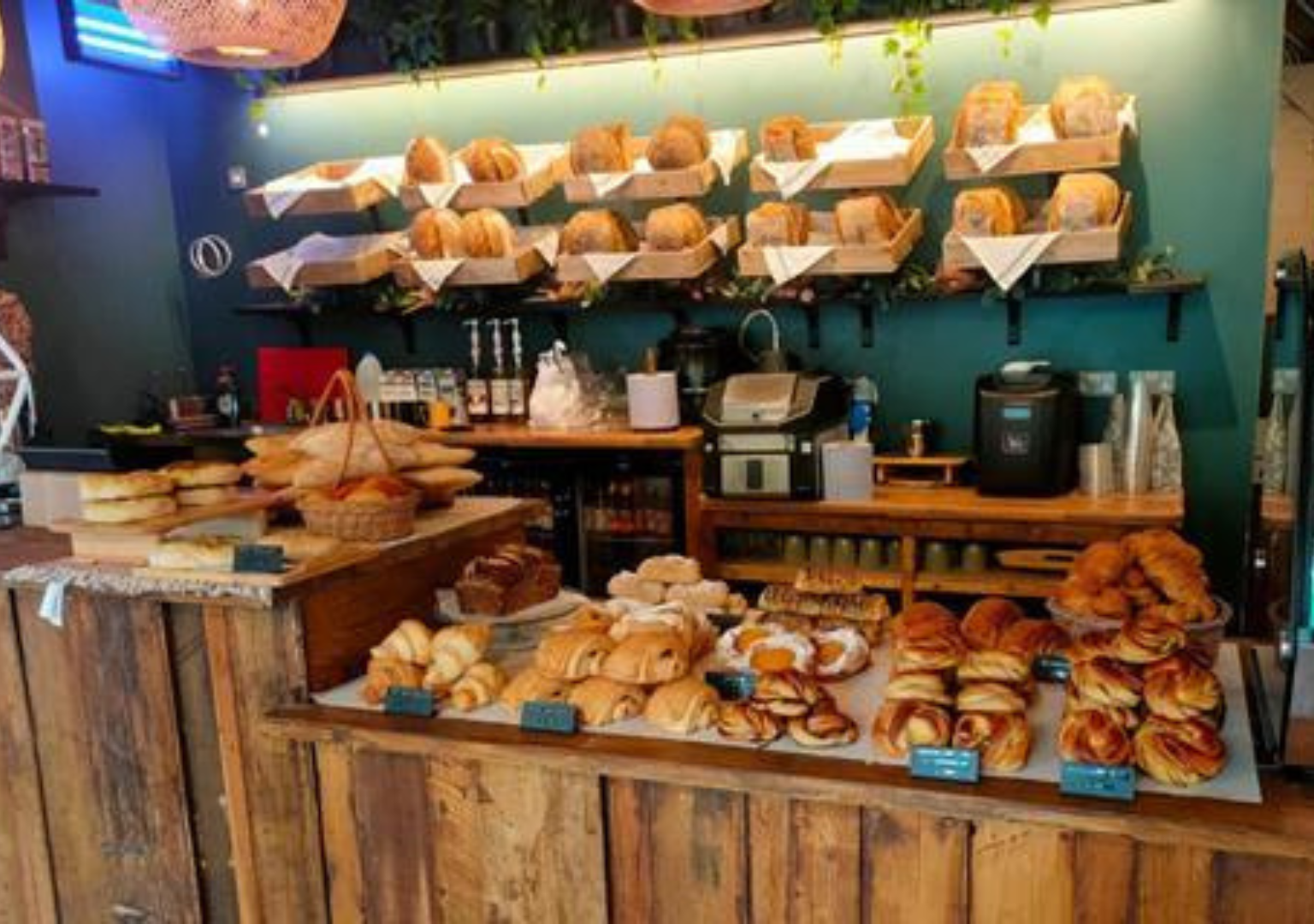
Becoming a skilled baker is only part of the journey. If you want long-term success — whether as an employee or entrepreneur — you must learn how to stand out in your local market.
Many communities already have bakeries. Competition can be strong. What separates average bakers from memorable professionals is not just technique, but positioning, consistency, and value creation.
If you want to build a reputation that attracts loyal customers and professional opportunities, this guide will help you take strategic steps forward.
Step 1: Master Consistency Before Innovation
Creativity is exciting, but consistency builds trust.
Customers return when they know:
- The bread will taste the same every time
- The texture is reliable
- The crust is always crisp
- Quality doesn’t fluctuate
Before trying complex recipes, ensure your core products are flawless and repeatable.
Professional reputation starts with reliability.
Step 2: Identify a Clear Niche
Trying to serve everyone can dilute your identity.
Instead, consider specializing in:
- Artisan sourdough
- Whole-grain bread
- Health-focused options
- Traditional regional recipes
- Rustic European-style loaves
A niche helps customers remember you.
When people associate your name with one strong specialty, word-of-mouth grows faster.
Step 3: Elevate Product Presentation
Presentation matters.
Even the best bread can look average without attention to detail.
Focus on:
- Clean, confident scoring
- Even crust color
- Professional packaging
- Clear labeling
High-quality presentation increases perceived value.
Customers often decide with their eyes first.
Step 4: Develop a Signature Product
Having one standout product strengthens your brand.
Ask yourself:
- What can I make exceptionally well?
- What isn’t widely available locally?
- What product gets the most compliments?
A signature loaf creates identity.
Over time, customers may specifically seek “your” bread.
Step 5: Build a Strong Local Reputation
In smaller markets especially, reputation spreads quickly.
You can strengthen it by:
- Offering consistent customer service
- Being punctual with orders
- Maintaining clean production standards
- Engaging politely with feedback
Professional behavior builds long-term trust.
Trust leads to loyalty.
Step 6: Focus on Ingredient Quality
Using high-quality flour and fresh ingredients improves:
- Flavor
- Texture
- Shelf life
- Overall perception
Customers increasingly appreciate transparency about ingredients.
If possible, communicate:
- Flour source
- Natural fermentation methods
- No artificial additives
Authenticity attracts informed consumers.
Step 7: Leverage Local Partnerships
Collaborating locally can expand visibility.
Consider partnerships with:
- Coffee shops
- Restaurants
- Farmers’ markets
- Specialty grocery stores
Supplying fresh artisan bread to a respected local business increases exposure.
Strategic partnerships build brand recognition organically.
Step 8: Use Social Media Strategically
Visual platforms are powerful for bakers.
Share:
- Fresh bread out of the oven
- Crumb structure close-ups
- Behind-the-scenes fermentation
- Dough shaping videos
Consistency in posting builds familiarity.
However, focus on quality over frequency.
Professional images build professional perception.
Step 9: Price With Confidence
Underpricing may attract customers initially — but it can damage long-term sustainability.
Price based on:
- Ingredient cost
- Labor time
- Market demand
- Product quality
Artisan bread requires time and skill.
Fair pricing reflects value.
Customers who understand quality are willing to pay for it.
Step 10: Deliver Excellent Customer Experience
Beyond bread quality, experience matters.
Customers appreciate:
- Clear communication
- Timely responses
- Friendly interaction
- Reliable pickup schedules
Small gestures build loyalty.
Repeat customers create stability.
Step 11: Continue Improving Your Craft
Standing out requires continuous growth.
Keep refining:
- Fermentation control
- Hydration management
- Shaping precision
- Scoring technique
- Flavor complexity
Skill development keeps your products competitive.
Never stop learning.
Step 12: Collect and Use Feedback
Constructive feedback helps refine your offerings.
Ask customers:
- What do you enjoy most?
- What would you like improved?
- What new products interest you?
Listening builds stronger relationships.
Feedback reveals opportunities for innovation.
Step 13: Maintain Professional Hygiene and Standards
Cleanliness strongly impacts reputation.
Maintain:
- Organized workspace
- Clean packaging
- Proper storage
- Safe food handling
Professional standards inspire confidence.
Step 14: Build a Recognizable Brand Identity
Even small-scale bakers benefit from clear branding.
Consider:
- A consistent logo
- Simple, memorable packaging
- Clear product names
- Consistent messaging
Branding increases memorability.
Recognition builds loyalty.
Step 15: Be Patient and Consistent
Standing out doesn’t happen overnight.
It develops through:
- Consistent quality
- Reliable service
- Word-of-mouth referrals
- Long-term dedication
Many successful local bakers built their reputation slowly.
Sustainable growth beats rapid burnout.
Common Mistakes to Avoid
Avoid these pitfalls:
- Changing products too frequently
- Sacrificing quality for speed
- Ignoring customer communication
- Underestimating costs
- Expanding too quickly
Growth must be intentional.
Turning Skill Into Recognition
When you combine:
- Technical mastery
- Consistency
- Strong presentation
- Clear niche
- Professional communication
You create distinction.
Standing out is not about being flashy.
It’s about being dependable, skilled, and intentional.
Final Thoughts: Build Excellence First
Before focusing on marketing or expansion, focus on excellence.
Your bread is your reputation.
Every loaf represents:
- Your discipline
- Your standards
- Your skill level
Deliver exceptional quality consistently.
Over time, your name becomes associated with reliability and craftsmanship.
In the local market, reputation spreads quickly — especially when supported by true quality.
Bake with intention.
Serve with professionalism.
Improve continuously.
And you won’t need to compete aggressively — your work will speak for itself.