
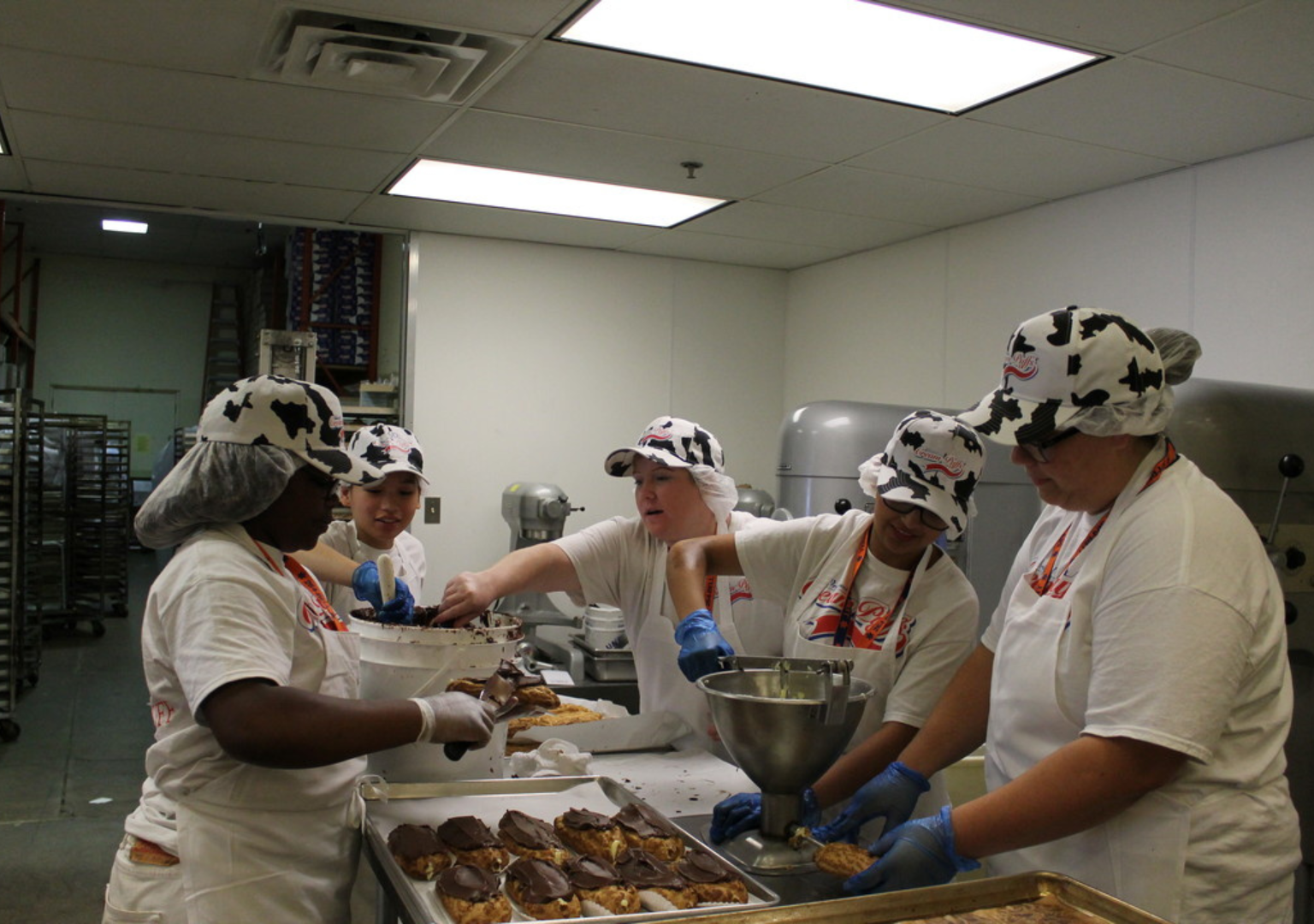
Getting your first job in a bakery is an exciting milestone. It’s the moment when your passion begins to turn into professional experience.
However, stepping into a real bakery environment can feel intimidating. The pace is faster, the standards are higher, and expectations are clear.
Preparing properly will help you start with confidence and make a strong first impression.
Let’s explore how to get ready for your first bakery job.
Understand What Employers Expect
Bakery employers typically look for:
- Punctuality
- Clean work habits
- Basic fermentation knowledge
- Willingness to learn
- Physical stamina
- Teamwork
You don’t need to know everything — but you must show commitment and discipline.
Attitude often matters more than experience.
Strengthen Basic Technical Skills
Before your first shift, make sure you can confidently:
- Weigh ingredients using a digital scale
- Mix basic lean dough
- Perform stretch-and-fold
- Shape simple boules or rolls
- Recognize basic fermentation stages
Even entry-level positions require fundamental knowledge.
Preparation reduces anxiety.
Practice Speed and Efficiency
Professional bakeries operate under time pressure.
At home, practice:
- Dividing dough quickly and evenly
- Shaping multiple loaves consecutively
- Cleaning your workstation while working
Efficiency develops through repetition.
Don’t sacrifice accuracy for speed — build both gradually.
Improve Physical Readiness
Bakery shifts often involve:
- Standing for long hours
- Lifting flour bags
- Working near hot ovens
Prepare by:
- Strengthening core muscles
- Wearing supportive shoes
- Staying hydrated
- Maintaining consistent sleep habits
Physical readiness prevents early fatigue.
Learn Basic Food Safety Principles
Employers value hygiene awareness.
Review:
- Handwashing standards
- Cross-contamination prevention
- Proper ingredient storage
- Clean workstation practices
Demonstrating food safety knowledge shows professionalism.
Prepare Mentally for Early Mornings
Many bakeries start shifts between 2:00 AM and 5:00 AM.
Adjust your sleep schedule gradually before starting.
Consistent rest improves focus and reduces stress.
Mental preparation prevents burnout.
Be Ready to Start With Simple Tasks
Your first responsibilities may include:
- Scaling ingredients
- Cleaning equipment
- Organizing trays
- Feeding sourdough starter
- Assisting senior bakers
These tasks build understanding of workflow.
Respect every task — even the simplest ones.
Observe and Listen Carefully
In your first days:
- Watch how experienced bakers move
- Notice how they manage fermentation
- Observe oven timing
- Pay attention to communication style
Observation accelerates learning.
Ask questions respectfully when appropriate.
Accept Feedback Constructively
In professional kitchens, feedback may be direct.
Respond by:
- Listening without defensiveness
- Applying corrections immediately
- Showing willingness to improve
Feedback is part of professional growth.
Develop Professional Habits
From day one:
- Arrive early
- Wear clean attire
- Keep tools organized
- Maintain calm focus
- Respect coworkers
Professional behavior builds trust quickly.
Manage Nerves on the First Day
It’s normal to feel nervous.
To stay calm:
- Focus on one task at a time
- Follow instructions carefully
- Avoid rushing
- Breathe steadily
Confidence grows with repetition.
Avoid Common Beginner Mistakes
Avoid:
- Pretending to know something you don’t
- Ignoring instructions
- Moving carelessly near hot equipment
- Arriving late
- Showing lack of focus
Humility and discipline leave a positive impression.
Build Good Relationships With Your Team
A bakery is a collaborative environment.
Support coworkers by:
- Communicating clearly
- Offering help when possible
- Maintaining respectful tone
- Staying organized
Strong teamwork improves workflow and morale.
Keep Learning Outside Work
Your first job is just the beginning.
Continue studying:
- Fermentation science
- Hydration adjustments
- Whole grain techniques
- Shaping refinement
Combining work experience and study accelerates development.
Signs You’re Adapting Well
You’ll know you’re progressing when:
- Tasks feel smoother
- Speed improves naturally
- Supervisors trust you more
- Mistakes decrease
- You feel confident during production
Growth takes time.
Final Thoughts: Start Strong and Stay Humble
Your first bakery job is an opportunity to learn.
You don’t need perfection.
You need:
- Discipline
- Willingness to learn
- Respect for the craft
- Consistent effort
Show up early.
Listen carefully.
Work steadily.
Accept feedback.
Refine daily.
Every experienced baker once stood where you are now.
Preparation builds confidence.
And with patience and commitment, your first job can become the foundation of a long and successful baking career.