
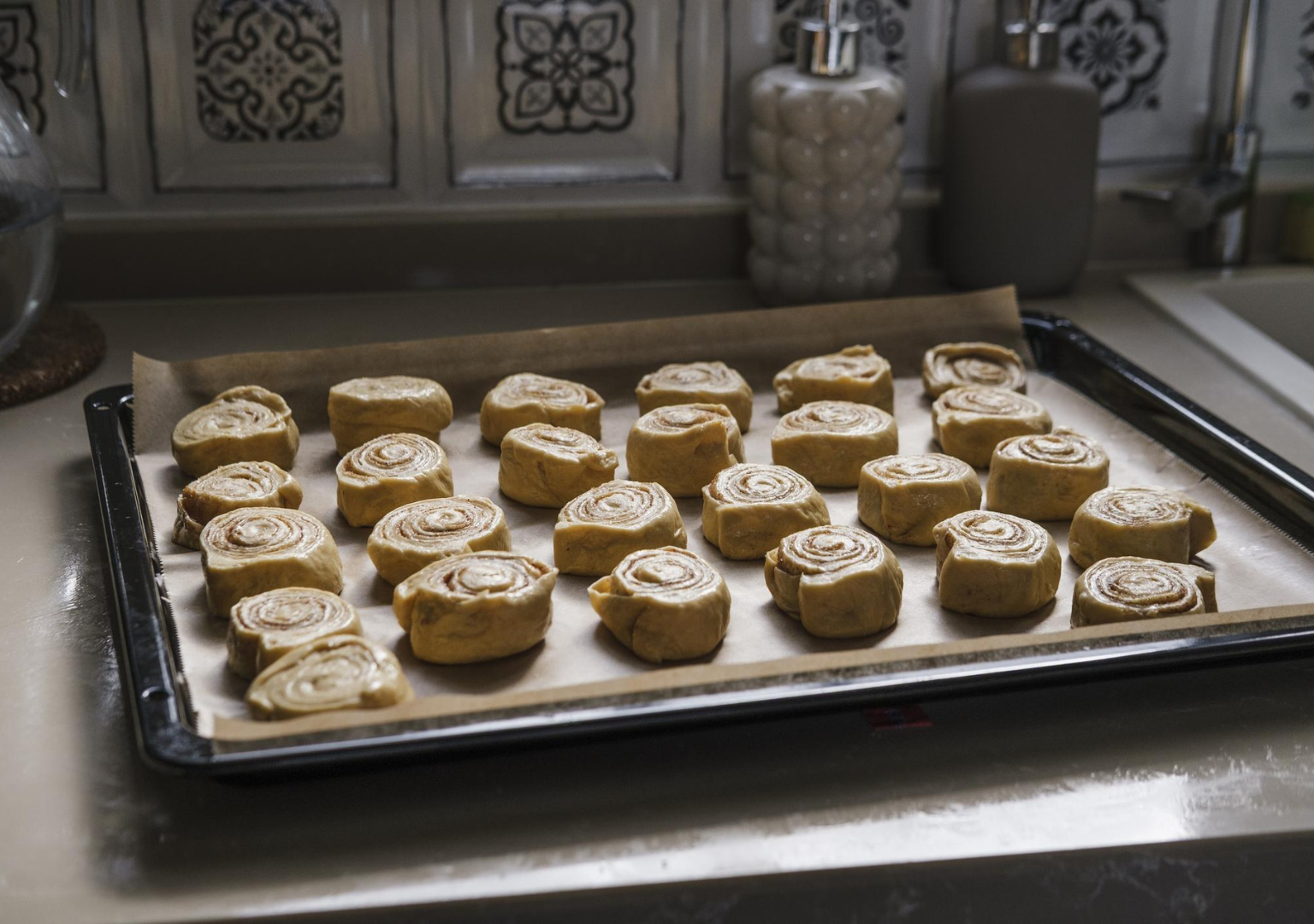
If you want to become a complete baker, mastering both sweet and savory doughs is essential. While bread is often the foundation of baking, expanding into enriched and flavored doughs opens more career opportunities and increases your versatility.
Understanding the differences between sweet and savory doughs allows you to adapt recipes confidently and work in a wider range of bakery environments — from artisan bread shops to pastry kitchens.
Let’s explore how to build strong knowledge in both areas and grow your professional skill set.
The Fundamental Difference Between Sweet and Savory Dough
At their core, most doughs contain:
- Flour
- Water or milk
- Yeast (or other leavening agents)
- Salt
The major difference lies in the ratio and type of added ingredients.
Sweet doughs typically include:
- Sugar
- Butter or oil
- Eggs
- Milk
Savory doughs focus more on:
- Hydration balance
- Salt content
- Fermentation
- Texture
These differences change structure, fermentation behavior, and handling technique.
Understanding Enriched (Sweet) Dough
Sweet doughs are often referred to as “enriched dough” because they contain added fat and sugar.
Common examples include:
- Brioche
- Cinnamon rolls
- Sweet buns
- Dinner rolls
- Filled pastries
How Enriched Dough Behaves
Because of added fat and sugar:
- Gluten development is slower
- Fermentation takes longer
- Dough is softer and more tender
- Flavor is richer
Sugar feeds yeast, but too much can slow fermentation.
Fat coats flour proteins, limiting gluten formation — which creates a softer crumb.
Handling enriched dough requires patience and careful mixing.
Key Techniques for Sweet Dough
To master sweet dough:
- Mix until gluten develops before adding too much fat
- Allow longer fermentation time
- Use room-temperature ingredients
- Avoid rushing proofing
Many enriched doughs benefit from:
- Cold fermentation
- Slow proofing
- Gentle shaping
These methods improve structure and flavor.
Savory Dough Fundamentals
Savory dough often focuses on structure and fermentation depth rather than sweetness.
Examples include:
- Rustic artisan bread
- Focaccia
- Pizza dough
- Ciabatta
- Whole-grain loaves
These doughs emphasize:
- Hydration control
- Strong gluten development
- Fermentation timing
- Crust texture
Savory bread often has fewer ingredients but demands more fermentation awareness.
Hydration Differences
Sweet doughs usually have:
- Lower hydration
- Higher fat content
- Softer crumb
Savory artisan doughs may have:
- Higher hydration
- Minimal fat
- Open crumb structure
Hydration dramatically influences handling difficulty.
High-hydration savory dough requires more advanced technique.
Fermentation Considerations
Fermentation varies between sweet and savory dough.
Sweet dough:
- Slower fermentation due to fat and sugar
- Requires extended proofing
- Develops subtle sweetness
Savory dough:
- Fermentation directly impacts flavor complexity
- Cold fermentation enhances crust and crumb
- Natural fermentation (sourdough) adds depth
Understanding fermentation differences is essential for professional growth.
Expanding Your Practice at Home
To build skill in both areas:
Week 1–2: Focus on Basic Savory Bread
- Practice simple white artisan bread
- Master bulk fermentation
- Improve shaping consistency
Week 3–4: Introduce Enriched Dough
- Make brioche
- Try cinnamon rolls
- Practice soft dinner rolls
Alternating between these styles builds versatility.
Learning Ingredient Balance
Sweet dough teaches you about:
- Sugar ratios
- Fat incorporation
- Egg structure contribution
- Moisture retention
Savory dough teaches you about:
- Hydration percentages
- Gluten strength
- Fermentation timing
- Crust development
Each style strengthens different technical skills.
Handling Differences
Sweet dough often feels:
- Softer
- More elastic
- Slightly sticky due to sugar
Savory dough (especially high hydration) feels:
- Stretchy
- Wet
- Delicate
Learning to adjust hand pressure and flour use is critical.
Developing Flavor Complexity
To improve sweet dough flavor:
- Use quality butter
- Add preferments
- Allow longer fermentation
- Use natural vanilla or spices
To improve savory dough flavor:
- Extend fermentation
- Use sourdough starter
- Blend whole-grain flour
- Control hydration carefully
Flavor depth distinguishes average baking from professional-level quality.
Professional Benefits of Learning Both
Versatility increases employability.
Bakeries often need staff who can:
- Handle artisan bread
- Prepare sweet rolls
- Work with laminated dough
- Produce specialty items
Being skilled in both sweet and savory expands career options.
Avoid Common Mistakes
When working with sweet dough:
- Avoid adding too much flour
- Don’t rush fermentation
- Allow butter to incorporate fully
When working with savory dough:
- Don’t underdevelop gluten
- Avoid ignoring hydration balance
- Don’t skip stretch-and-fold steps
Each dough type demands attention to detail.
Building a Structured Learning Plan
To grow systematically:
- Master basic white bread
- Introduce enriched dough
- Experiment with whole-grain savory bread
- Practice filled sweet buns
- Explore sourdough fermentation
- Refine shaping consistency
Skill builds progressively.
Understanding Market Demand
Many local markets value both:
Savory:
- Artisan sourdough
- Pizza dough
- Rustic loaves
Sweet:
- Cinnamon rolls
- Brioche
- Filled pastries
Offering both increases potential income streams if you plan to sell in the future.
Tracking Your Progress
Document:
- Hydration percentages
- Sugar and fat ratios
- Fermentation times
- Texture outcomes
- Customer feedback
Written records accelerate improvement.
Turning Versatility Into Professional Growth
A baker who understands only one style limits opportunity.
A baker who masters both sweet and savory:
- Adapts easily
- Learns faster
- Expands product offerings
- Becomes more valuable in professional kitchens
Versatility builds confidence.
Final Thoughts: Balance Science and Creativity
Sweet dough teaches richness and softness.
Savory dough teaches structure and fermentation depth.
Together, they build complete baking knowledge.
If you want to grow as a serious baker:
Practice both consistently.
Respect ingredient balance.
Study fermentation differences.
Refine shaping technique.
Over time, your skill set will expand naturally.
And with expanded skill comes expanded opportunity.
The more dough you understand, the more doors your baking career can open.
Keep experimenting.
Keep refining.
Keep building versatility.
That’s how a passionate baker becomes a complete professional.