
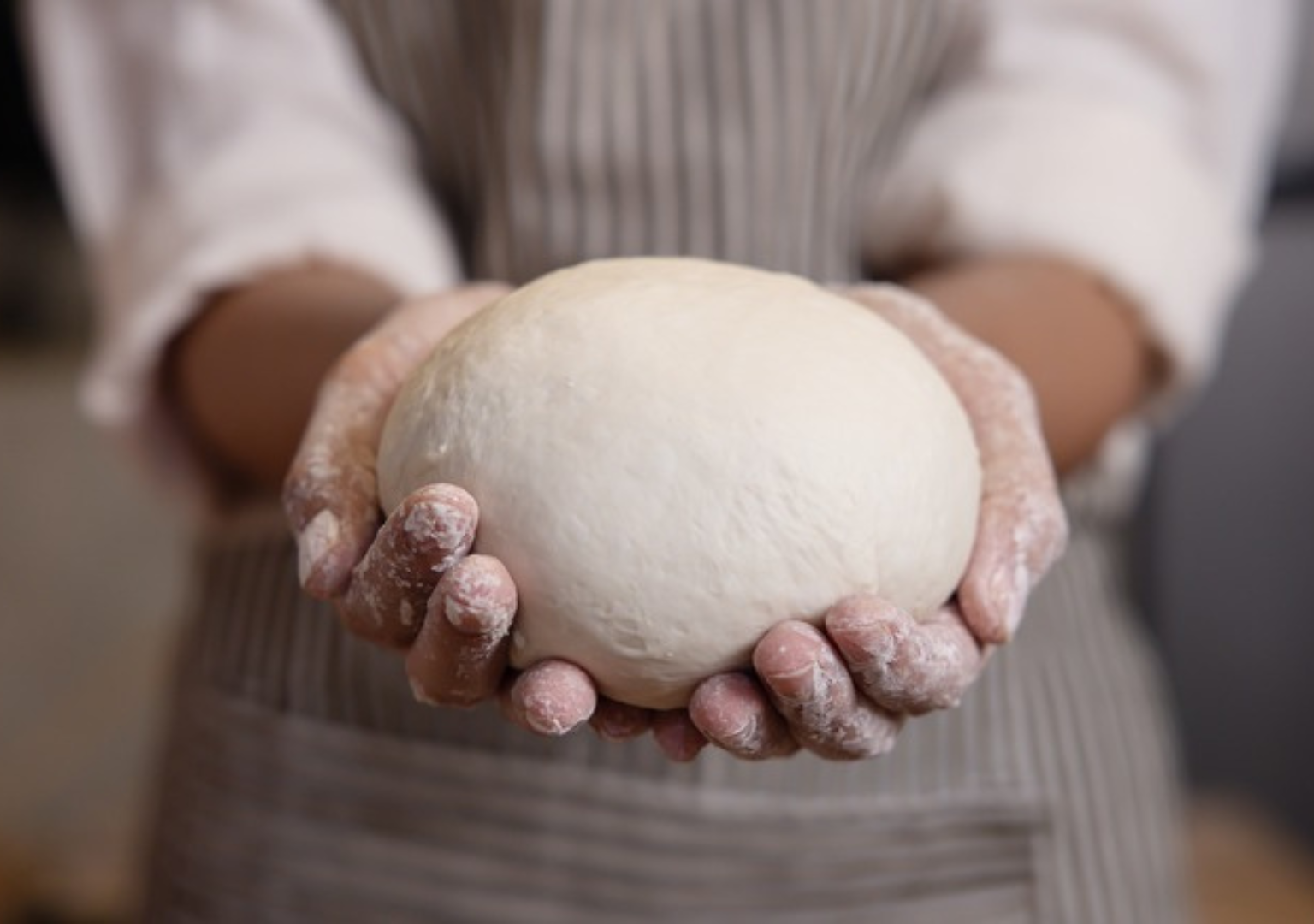
If there is one element that separates an average baker from a skilled professional, it is the mastery of fermentation. Fermentation is the invisible force behind flavor, texture, aroma, and structure in bread. When controlled properly, it transforms simple ingredients like flour, water, salt, and yeast into complex, flavorful creations.
Understanding fermentation deeply is one of the most important steps for anyone who dreams of becoming a professional baker. Let’s explore how fermentation works and how you can refine your technique to achieve consistent, high-quality results.
What Is Fermentation in Baking?
Fermentation is the biological process where yeast consumes sugars and produces carbon dioxide and alcohol.
The carbon dioxide:
- Creates air pockets
- Expands the dough
- Develops crumb structure
Meanwhile, organic acids and alcohols contribute to flavor complexity.
In simple terms, fermentation is what makes dough rise — but it also determines whether your bread tastes bland or extraordinary.
The Key Factors That Influence Fermentation
Fermentation is sensitive to several variables. Mastering it requires understanding how these elements interact.
1. Temperature
Temperature directly affects yeast activity.
- Warm environments speed up fermentation
- Cold temperatures slow it down
- Excessive heat can kill yeast
Ideal fermentation temperature for most bread dough ranges between 24°C and 28°C (75°F to 82°F).
Cold fermentation in the refrigerator (around 4°C / 39°F) slows the process but enhances flavor development.
Professional bakers use temperature strategically to control timing and taste.
2. Hydration Level
Hydration refers to the percentage of water relative to flour.
Higher hydration:
- Encourages open crumb
- Creates lighter texture
- Requires advanced handling skills
Lower hydration:
- Produces denser crumb
- Is easier to shape
- Ferments slightly more slowly
Understanding hydration helps you adjust fermentation behavior.
3. Yeast Quantity
More yeast means faster fermentation — but not necessarily better flavor.
Professional bakers often use smaller amounts of yeast and extend fermentation time to develop deeper flavor.
Patience enhances complexity.
4. Salt Content
Salt regulates yeast activity.
Without salt:
- Fermentation becomes too rapid
- Dough weakens
- Flavor becomes flat
Salt strengthens gluten and improves control.
Precision in salt measurement is essential.
Bulk Fermentation vs. Final Proof
Fermentation usually occurs in two main stages.
Bulk Fermentation
This is the first rise after mixing.
During this phase:
- Gluten develops
- Flavor builds
- Gas forms within the dough
Some bakers perform stretch-and-fold techniques during bulk fermentation to strengthen the dough structure.
Final Proof
After shaping, the dough undergoes its final rise.
This stage determines:
- Final volume
- Surface tension
- Oven spring
Underproofed dough may burst unpredictably.
Overproofed dough may collapse.
Learning to recognize the perfect proof is a key professional skill.
How to Tell If Dough Is Properly Fermented
Instead of relying only on time, learn to observe the dough.
Signs of proper fermentation include:
- Slightly domed surface
- Visible air bubbles
- Elastic but relaxed texture
- Increased volume (usually doubled in size)
The “poke test” can help:
Gently press the dough with your finger.
- If it springs back immediately → Underproofed
- If it springs back slowly and leaves a slight indentation → Perfect
- If it collapses and doesn’t recover → Overproofed
Experience improves accuracy.
Cold Fermentation: Flavor Development Strategy
Cold fermentation is widely used in artisan baking.
Benefits include:
- Enhanced flavor complexity
- Improved crust texture
- Better scheduling flexibility
- Stronger dough structure
By slowing yeast activity, enzymes have more time to break down starches into sugars.
This process creates richer taste and better caramelization during baking.
Many professional bakeries rely on overnight cold fermentation.
Natural Fermentation: Working With Sourdough
Sourdough fermentation uses wild yeast and bacteria instead of commercial yeast.
Advantages include:
- More complex flavor
- Improved digestibility
- Longer shelf life
- Distinct crust texture
However, sourdough requires:
- Starter maintenance
- Temperature awareness
- Patience
- Precise feeding schedules
Natural fermentation demands more attention but rewards you with deeper character in your bread.
Common Fermentation Mistakes
Even experienced bakers occasionally struggle with fermentation control.
Avoid these mistakes:
- Ignoring room temperature
- Adding water that is too hot
- Using expired yeast
- Rushing fermentation
- Skipping salt
- Overloading yeast for speed
Fermentation cannot be forced without consequences.
Slow and controlled is usually better.
The Role of Humidity
Humidity affects flour absorption and dough behavior.
In high humidity:
- Flour absorbs less additional water
- Dough may feel stickier
In dry climates:
- Dough may dry out
- Additional hydration may be needed
Professional bakers adjust hydration slightly depending on weather conditions.
Observation and adaptation are part of mastery.
Developing Fermentation Intuition
The ultimate goal is to develop intuition.
You can build this skill by:
- Keeping detailed notes
- Testing different fermentation times
- Comparing cold vs. room temperature results
- Adjusting yeast quantities intentionally
- Practicing regularly
Over time, you’ll learn to “read” dough instead of strictly following the clock.
Fermentation and Oven Spring
Proper fermentation leads to strong oven spring — the rapid expansion during the first minutes of baking.
Well-fermented dough:
- Expands dramatically
- Forms an open crumb
- Develops a crisp crust
Poor fermentation leads to:
- Dense crumb
- Weak rise
- Flat flavor
Fermentation sets the stage for everything that happens in the oven.
Balancing Speed and Flavor
Commercial environments often require efficiency. However, speed should not sacrifice quality.
The best bakers balance:
- Production demands
- Controlled fermentation
- Consistent scheduling
Understanding how to manipulate temperature and yeast allows you to adjust timing without compromising flavor.
Practice Exercise to Improve Fermentation Skills
Try this experiment:
Bake the same bread recipe three times:
- Standard room temperature fermentation
- Extended cold fermentation overnight
- Reduced yeast with longer fermentation
Compare:
- Flavor
- Texture
- Crumb structure
- Crust development
This comparison deepens understanding faster than theory alone.
Patience Is the Baker’s Advantage
Fermentation teaches patience.
You cannot rush biology without sacrificing quality.
The best bread often comes from:
- Longer fermentation
- Careful temperature control
- Precise ingredient measurement
- Attentive observation
Respect the process, and the dough will reward you.
Turning Fermentation Into Your Strength
If you want to stand out as a baker, master fermentation.
Anyone can mix flour and water.
Not everyone can control fermentation perfectly.
When you understand:
- Temperature
- Hydration
- Yeast balance
- Timing
- Dough behavior
You gain real professional skill.
Fermentation is invisible — but its results are unmistakable.
Control it well, and you control the heart of baking.
Keep observing. Keep adjusting. Keep practicing.
Great bread begins long before it enters the oven.