
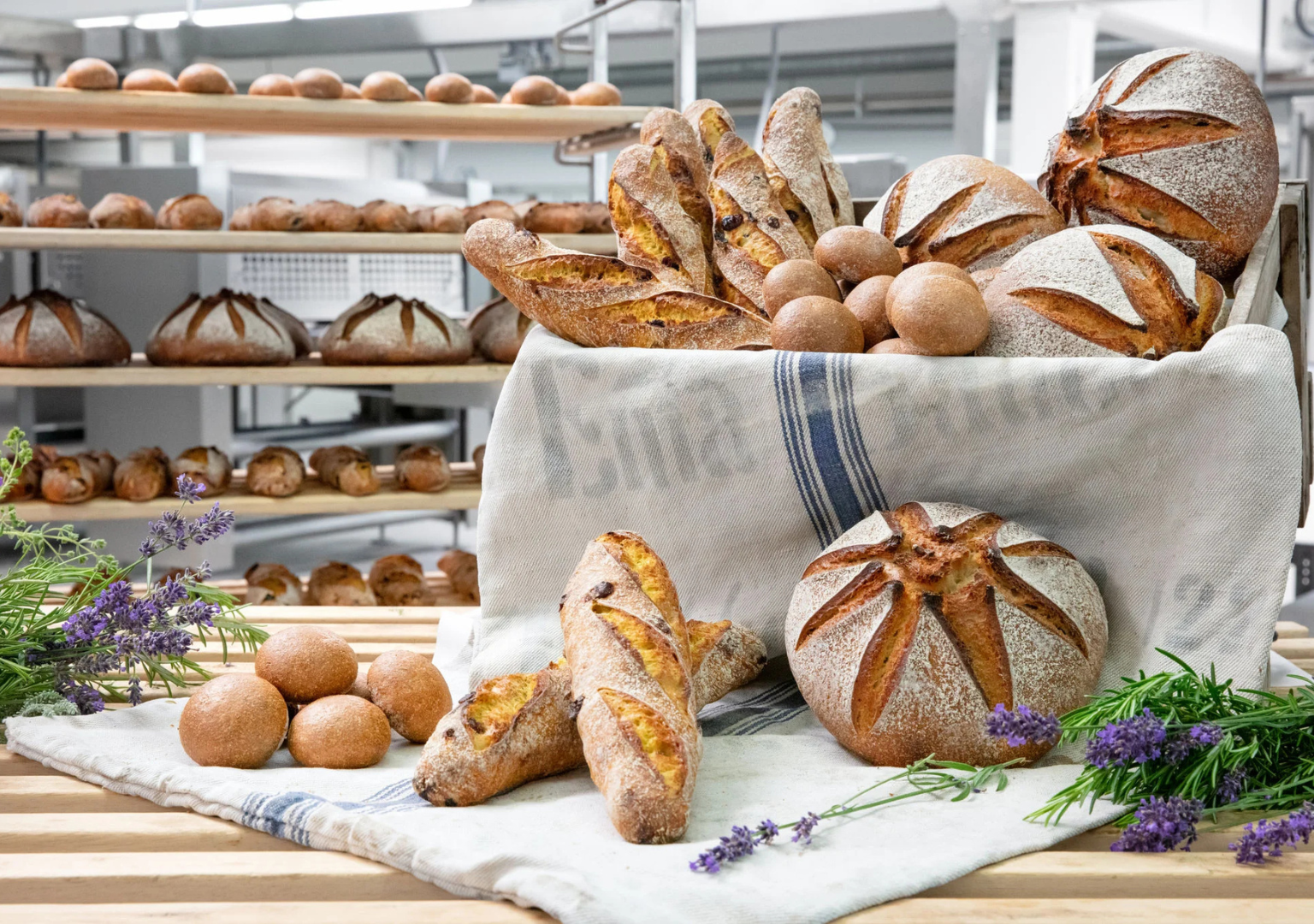
As your baking skills improve, you may feel tempted to expand your product line quickly. Offering more options can attract more customers — but expanding without structure can reduce quality and increase stress.
A diverse bakery menu should be strategic, not chaotic.
Let’s explore how to build variety while maintaining consistency, efficiency, and professional standards.
Why Menu Planning Matters
A well-structured menu helps you:
- Control production time
- Reduce ingredient waste
- Maintain consistent quality
- Simplify purchasing
- Improve profit margins
Too many products too soon often leads to:
- Overproduction
- Inconsistent results
- Physical exhaustion
- Financial loss
Structure supports sustainability.
Step 1: Master Core Products First
Before expanding, ensure your main items are consistent.
For example:
- Basic artisan sourdough
- Whole grain loaf
- One enriched dough (like brioche or soft rolls)
If these are stable in texture, flavor, and timing, expansion becomes safer.
Consistency is the foundation of variety.
Step 2: Use Shared Dough Bases
Efficiency increases when products share similar formulas.
For example:
- One dough base can become plain rolls
- The same dough can include seeds for variation
- A base sweet dough can become cinnamon rolls or filled buns
This approach:
- Simplifies ingredient management
- Reduces complexity
- Improves time control
Smart variation reduces stress.
Step 3: Limit Ingredients Intentionally
Adding too many specialty ingredients increases costs and waste.
Instead:
- Select versatile ingredients
- Use items that work across multiple products
- Avoid rarely used components
Controlled ingredient lists improve efficiency and profitability.
Step 4: Introduce Seasonal Rotations
Instead of permanent expansion, rotate products seasonally.
For example:
- Pumpkin or spiced loaves in autumn
- Light citrus flavors in spring
- Seeded breads in winter
Seasonal rotation:
- Maintains excitement
- Reduces permanent workload
- Controls inventory
Variety does not require constant expansion.
Step 5: Evaluate Production Capacity
Before adding new items, ask:
- Can my oven handle increased load?
- Do I have enough time for additional shaping?
- Will fermentation timing overlap excessively?
- Can I maintain quality under higher volume?
Capacity awareness prevents burnout.
Expansion should follow readiness.
Step 6: Test New Products Gradually
Avoid launching many items at once.
Instead:
- Introduce one new product at a time
- Test for several weeks
- Collect customer feedback
- Monitor sales performance
If demand is strong and production remains stable, keep it.
If not, adjust or remove it.
Step 7: Analyze Profitability Per Item
Not every product generates equal profit.
Track:
- Ingredient cost per item
- Labor time required
- Sales volume
- Customer demand
Some products may be popular but less profitable.
Balanced menus consider both popularity and margin.
Step 8: Maintain Quality Control Standards
As menu size increases, quality control becomes critical.
Ensure:
- Standardized recipes
- Consistent shaping technique
- Controlled fermentation
- Proper baking times
Avoid lowering standards just to expand offerings.
Reputation depends on consistency.
Step 9: Keep Preparation Organized
Organization prevents chaos in larger menus.
Prepare by:
- Writing clear production schedules
- Pre-weighing ingredients
- Staggering fermentation batches
- Planning oven usage strategically
Structured workflow protects both quality and energy.
Step 10: Avoid Complexity for Its Own Sake
Complicated recipes do not always attract more customers.
Often, simple and well-executed products outperform overly complex creations.
Focus on:
- Strong fermentation
- Balanced flavor
- Reliable structure
Excellence in simplicity builds trust.
Step 11: Monitor Customer Behavior
Customer feedback reveals what works.
Pay attention to:
- Repeat purchases
- Fast-selling items
- Slow-moving products
- Seasonal preferences
Data-driven adjustments improve long-term menu structure.
Step 12: Protect Your Physical Endurance
More products mean more shaping, mixing, and baking.
Avoid:
- Overloading your daily schedule
- Expanding faster than your stamina allows
- Adding high-labor products without compensation
Sustainability includes physical health.
Step 13: Build Signature Products
A diverse menu still benefits from standout items.
Signature products:
- Strengthen brand identity
- Justify premium pricing
- Attract loyal customers
Variety supports interest — but signature quality builds reputation.
Common Mistakes in Menu Expansion
Avoid:
- Launching too many items at once
- Increasing complexity unnecessarily
- Ignoring profit margins
- Overestimating demand
- Compromising consistency
Strategic growth prevents instability.
Signs Your Menu Is Balanced
You’ll know your menu is structured when:
- Production runs smoothly
- Waste remains low
- Quality stays consistent
- Customers reorder regularly
- You feel physically sustainable
Balance supports longevity.
Final Thoughts: Grow With Structure
A diverse bakery menu can strengthen your business — if built thoughtfully.
Master core products first.
Expand gradually.
Use shared formulas.
Monitor profitability.
Protect quality.
Expansion should never reduce standards.
When variety is organized and disciplined, your bakery becomes both creative and sustainable.
Growth is not about offering more.
It’s about offering better — consistently.
Build carefully.
Refine steadily.
Expand wisely.
That’s how you grow without losing quality.