
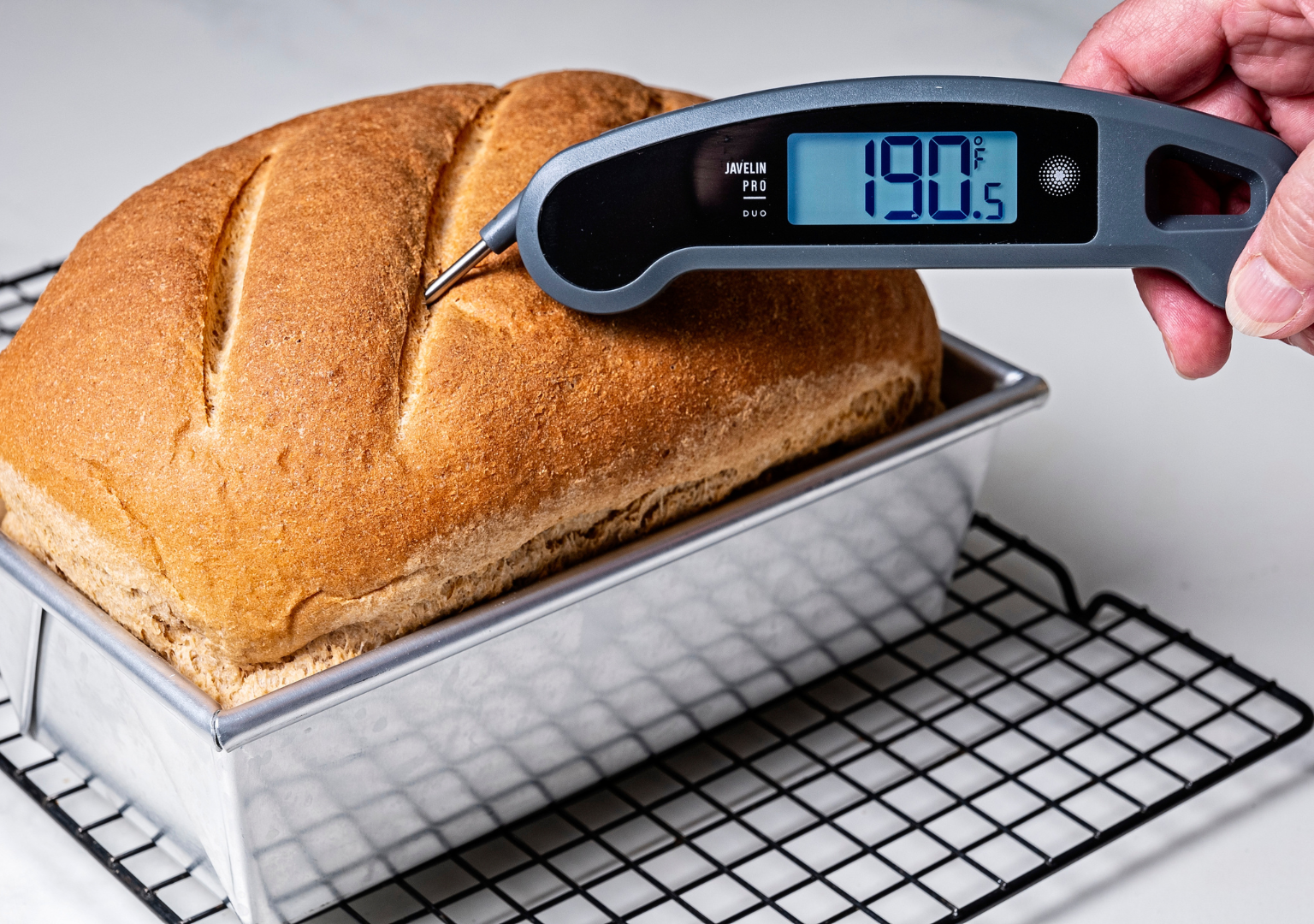
Consistency is one of the clearest signs of a professional baker. Anyone can produce one excellent loaf. A true professional can reproduce that same quality every single day.
If your bread sometimes turns out great and other times feels unpredictable, the key is not luck — it’s structure.
Let’s explore how to build reliable consistency in every batch you bake.
Why Consistency Matters
Consistency builds:
- Customer trust
- Professional confidence
- Predictable fermentation
- Stable profit margins
- Strong reputation
Inconsistent results create doubt — both for you and your customers.
Professional baking depends on repeatable processes.
1. Standardize Your Recipes
Avoid changing formulas constantly.
Use:
- Exact ingredient weights
- Baker’s percentages
- Recorded hydration levels
- Measured yeast quantities
Even small variations can alter fermentation and texture.
Precision creates repeatability.
2. Control Dough Temperature
Temperature directly affects fermentation speed.
Always measure:
- Water temperature
- Final dough temperature
- Room temperature
Aim for a consistent final dough temperature (often around 24–26°C / 75–79°F for artisan bread).
Temperature control reduces surprises.
3. Use Timers and Written Schedules
Relying on memory leads to inconsistency.
Create:
- Bulk fermentation timelines
- Stretch-and-fold intervals
- Final proof tracking
- Baking duration records
Written structure reduces error.
4. Observe Dough, Not Just the Clock
While timing is important, visual and tactile cues matter more.
Check for:
- Volume increase
- Surface bubbles
- Elastic feel
- Poke test response
Balanced observation strengthens consistency.
5. Keep Ingredient Quality Stable
Switching flour brands or yeast types can alter results.
If changes are necessary:
- Test in small batches
- Adjust hydration gradually
- Record differences
Ingredient stability improves predictability.
6. Maintain Organized Workflow
Disorganization leads to rushed decisions.
Before baking:
- Prepare ingredients
- Clear workspace
- Preheat oven fully
- Arrange tools within reach
Structure supports calm production.
7. Avoid Emotional Adjustments
When a loaf fails, avoid dramatic changes.
Instead:
- Identify one variable
- Adjust gradually
- Test again
Large adjustments create confusion.
Small corrections build clarity.
8. Use Consistent Shaping Technique
Inconsistent shaping causes uneven crumb and oven spring.
Practice:
- Even portioning
- Proper bench rest
- Confident surface tension building
Repetition strengthens uniformity.
9. Keep Detailed Records
Track:
- Hydration percentage
- Fermentation time
- Dough temperature
- Oven temperature
- Final results
Written documentation turns experience into data.
Data builds control.
10. Evaluate Every Batch Honestly
After slicing, ask:
- Is crumb balanced?
- Is crust color consistent?
- Did the loaf rise evenly?
- Was flavor stable?
Honest evaluation accelerates improvement.
Common Causes of Inconsistency
Avoid:
- Guessing measurements
- Ignoring temperature
- Skipping fermentation checks
- Changing too many variables at once
- Working without written plans
Inconsistency often results from lack of structure.
Signs You’re Building Strong Consistency
You’ll notice improvement when:
- Results feel predictable
- Fermentation timing stabilizes
- Crumb structure repeats reliably
- Oven spring becomes uniform
- Confidence increases
Consistency reduces stress.
Final Thoughts: Structure Creates Reliability
Professional consistency is not accidental.
It is built through:
- Measurement discipline
- Temperature awareness
- Organized workflow
- Controlled adjustments
- Honest evaluation
Repeatable systems create repeatable results.
Measure carefully.
Observe attentively.
Adjust gradually.
Document consistently.
Over time, your process will feel controlled and reliable.
And when every batch meets your standard — not occasionally, but consistently — you’ll know you’ve reached a new level of professionalism.
Consistency is mastery in action.
Keep refining your system.
Let discipline guide your process — and excellence will follow. 🥖