
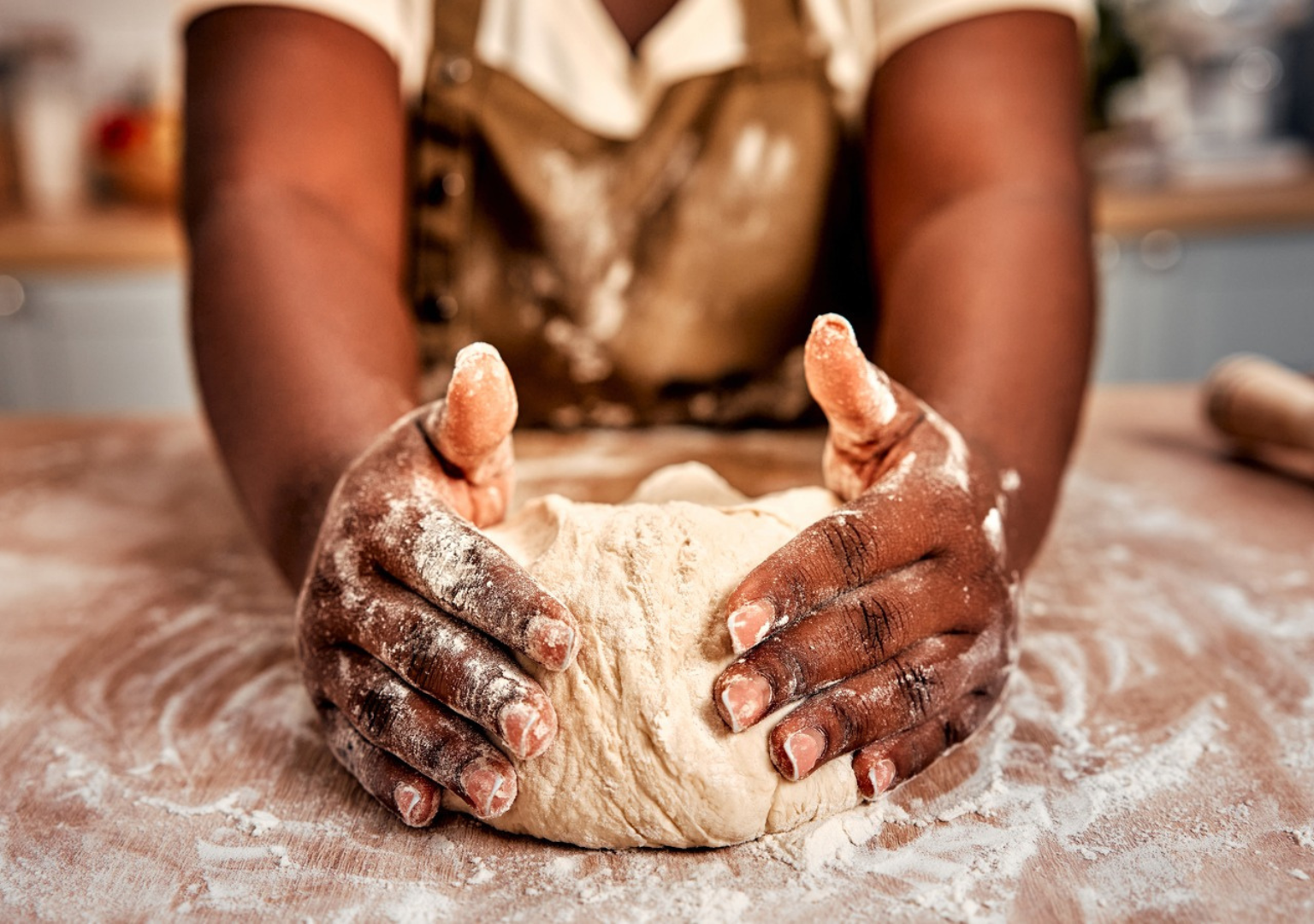
Confidence in baking does not appear overnight. It develops gradually through repetition, correction, and consistent effort. Many beginners doubt themselves when loaves don’t rise perfectly or fermentation behaves unpredictably.
The truth is that every professional baker once struggled with uneven crumb, weak oven spring, and inconsistent shaping.
Confidence is built — not inherited.
Let’s explore how to strengthen your confidence step by step as you grow in the baking profession.
Understand That Mistakes Are Part of the Process
Every baker experiences:
- Overproofed dough
- Underbaked loaves
- Collapsed sourdough
- Uneven shaping
Mistakes are not signs of failure.
They are feedback.
Instead of becoming discouraged, ask:
- What changed?
- Was temperature different?
- Did hydration vary?
- Was fermentation rushed?
Analysis builds understanding.
Understanding builds confidence.
Focus on One Skill at a Time
Trying to master everything at once creates frustration.
Instead, focus on:
- Perfecting one basic lean dough
- Improving shaping technique
- Controlling fermentation timing
- Monitoring dough temperature
Mastery grows from concentrated practice.
Small improvements create visible progress.
Keep a Baking Journal
Confidence grows when you track progress.
Record:
- Hydration percentage
- Fermentation time
- Room temperature
- Dough feel
- Final result
When you review earlier entries, you’ll notice improvement.
Documentation transforms doubt into measurable growth.
Practice Repetition Without Changing Formulas Constantly
Constant experimentation can confuse beginners.
Instead:
- Repeat the same recipe multiple times
- Adjust only one variable at a time
- Observe patterns
Consistency builds familiarity.
Familiarity builds control.
Learn to Read the Dough
Confidence increases when you stop relying only on the clock.
Observe:
- Dough elasticity
- Surface tension
- Gas bubble formation
- Response to the poke test
Experience develops intuition.
Intuition reduces uncertainty.
Accept That Speed Comes Later
Many beginners feel slow compared to experienced bakers.
Speed develops naturally through repetition.
Focus first on:
- Accuracy
- Clean shaping
- Proper fermentation
Efficiency follows skill.
Confidence grows with control, not speed.
Celebrate Small Wins
Did your crumb improve slightly?
Did shaping look cleaner?
Did oven spring increase?
Recognize these improvements.
Progress is often gradual — but visible over time.
Acknowledging growth strengthens motivation.
Study the Fundamentals
Understanding the science behind baking reduces fear.
Learn about:
- Gluten development
- Hydration ratios
- Yeast activity
- Temperature impact
Knowledge replaces guesswork.
Knowledge creates stability.
Avoid Comparing Yourself to Experts
Experienced bakers have:
- Years of repetition
- Hundreds of test batches
- Deep fermentation knowledge
Comparing your early stage to someone’s mastery can discourage you.
Focus on your own progression.
Growth is personal.
Build Physical Comfort With Dough
The more you touch and shape dough, the more natural it feels.
Practice:
- Stretch-and-fold technique
- Building surface tension
- Handling sticky dough calmly
Physical familiarity reduces hesitation.
Confidence often begins in your hands.
Seek Constructive Feedback
Feedback from experienced bakers or customers can clarify areas for improvement.
Listen carefully.
Apply adjustments.
Constructive feedback accelerates development.
Maintain Realistic Expectations
Professional-quality results take time.
Expect:
- Gradual improvement
- Occasional setbacks
- Continuous learning
Patience strengthens resilience.
Create a Structured Routine
Routine reduces stress.
Before baking:
- Prepare ingredients
- Organize tools
- Preheat oven fully
- Plan fermentation timing
Structure creates control.
Control builds confidence.
Notice When Things Feel Easier
Over time, you’ll notice:
- Shaping feels smoother
- Fermentation timing feels predictable
- Crumb becomes more consistent
- Mistakes decrease
These are signs of growth.
Recognize them.
Final Thoughts: Confidence Comes From Discipline
Confidence is not about perfection.
It’s about repetition.
It’s about learning from mistakes.
It’s about staying consistent even when results aren’t ideal.
Keep practicing.
Keep documenting.
Keep refining.
Keep analyzing.
Every loaf teaches something.
With patience and structured effort, your confidence will strengthen naturally.
And one day, you’ll realize that the tasks that once felt intimidating now feel automatic.
That’s when you know you’re growing — not just as a baker, but as a disciplined professional.
Stay consistent.
Trust the process.
Let your confidence rise — just like your dough.