
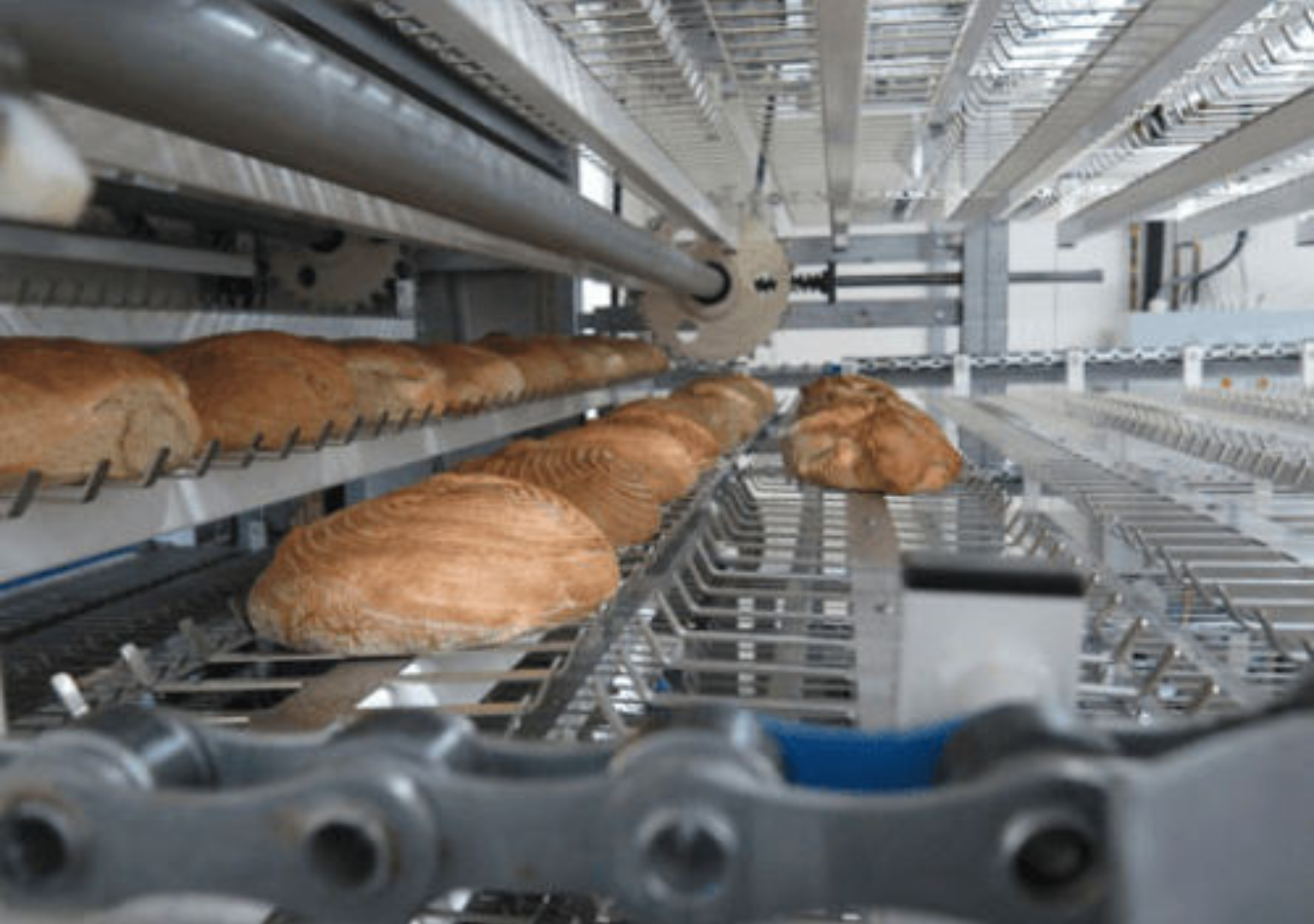
Baking is both a craft and a business. While passion drives many aspiring bakers, financial awareness sustains long-term success. One of the most common reasons small bakeries struggle is not lack of skill — but poor cost control.
If you want to build a stable and profitable baking career, you must learn how to reduce waste, control expenses, and price intelligently.
Let’s explore practical strategies to avoid financial loss in bread production.
Understand Your Real Production Costs
Before selling any bread, calculate your full cost.
Include:
- Flour
- Yeast or sourdough maintenance
- Salt
- Seeds or inclusions
- Packaging
- Utilities (electricity, gas, water)
- Labor time
- Equipment wear
Many beginner bakers only calculate ingredient cost and forget overhead expenses.
Accurate numbers protect your business.
Calculate Cost Per Loaf
To avoid underpricing, determine:
- Total ingredient cost per batch
- Utility cost per baking session
- Labor time value
- Packaging cost
Divide total expenses by number of loaves produced.
This gives you your base cost per unit.
Never price blindly.
Avoid Overproduction
Producing more bread than you can sell leads to waste.
To reduce risk:
- Start with pre-orders
- Analyze past sales data
- Produce in controlled batches
- Monitor daily demand patterns
Excess inventory directly reduces profit.
Production should match demand.
Improve Demand Forecasting
Track sales consistently.
Record:
- Best-selling days
- Seasonal demand changes
- Popular products
- Slow-moving items
Data helps predict future demand.
Guesswork increases financial risk.
Reduce Ingredient Waste
Small amounts of waste accumulate quickly.
To reduce waste:
- Weigh ingredients precisely
- Store flour properly
- Seal containers tightly
- Rotate stock using first-in, first-out method
Efficient storage prevents spoilage.
Waste control protects margins.
Standardize Recipes
Inconsistent formulas increase errors and waste.
Standardized recipes ensure:
- Predictable hydration
- Stable fermentation
- Consistent yield
- Reduced failed batches
Professional bakeries rely heavily on formula consistency.
Stability reduces financial risk.
Control Fermentation Carefully
Poor fermentation leads to:
- Flat loaves
- Overproofed dough
- Weak structure
- Product rejection
Each failed batch costs money.
Monitor:
- Dough temperature
- Fermentation timing
- Room conditions
Controlled fermentation protects profitability.
Manage Energy Costs
Ovens consume significant energy.
To reduce utility expenses:
- Bake full oven loads when possible
- Avoid frequent reheating cycles
- Preheat efficiently
- Maintain equipment properly
Energy management impacts overall cost structure.
Small improvements add up.
Price Products Strategically
Underpricing is one of the most damaging mistakes.
Pricing must cover:
- Production cost
- Operating expenses
- Profit margin
- Emergency buffer
Customers who value quality understand fair pricing.
Low pricing may attract buyers — but it reduces sustainability.
Track Profit Margins Regularly
Profit margin = Selling price – Total cost.
Review margins monthly.
If margins shrink:
- Review ingredient costs
- Adjust pricing carefully
- Evaluate waste levels
- Analyze production efficiency
Financial awareness prevents long-term losses.
Avoid Expanding Too Quickly
Rapid expansion increases:
- Equipment expenses
- Ingredient purchasing
- Labor costs
- Risk of unsold inventory
Grow gradually.
Expansion should follow stable demand and healthy margins.
Maintain Equipment Properly
Equipment failure creates:
- Production delays
- Emergency repair costs
- Lost sales
Perform regular maintenance.
Clean ovens and mixers regularly.
Preventive care reduces unexpected expenses.
Monitor Ingredient Price Changes
Flour and other ingredients may fluctuate in price.
Stay informed about:
- Supplier changes
- Bulk discounts
- Alternative vendors
Negotiating supplier terms can improve profit margins.
Use Leftovers Strategically
If certain products don’t sell immediately, consider:
- Turning day-old bread into croutons
- Creating breadcrumbs
- Producing bread pudding or similar items
Creative repurposing reduces waste loss.
However, avoid compromising food safety standards.
Build a Financial Buffer
Unexpected expenses happen.
Maintain:
- Emergency savings
- Backup supply options
- Controlled spending
Financial preparation reduces stress during slow periods.
Separate Personal and Business Finances
If you operate independently, avoid mixing funds.
Maintain:
- Separate business tracking
- Clear income records
- Organized expense documentation
Financial clarity improves decision-making.
Develop Discipline in Production Planning
Strong planning prevents:
- Ingredient overbuying
- Excess labor hours
- Inconsistent batch sizes
Daily planning builds stability.
Professional bakers manage production with structure.
Common Financial Mistakes to Avoid
Avoid:
- Ignoring overhead costs
- Pricing emotionally
- Overproducing without demand
- Failing to track expenses
- Expanding too soon
Small mistakes accumulate quickly.
Final Thoughts: Discipline Protects Profit
Baking excellence alone does not guarantee financial stability.
You must combine:
- Technical skill
- Cost awareness
- Demand forecasting
- Waste control
- Smart pricing
Financial discipline protects your passion.
When production is organized and costs are controlled, stress decreases and growth becomes sustainable.
Bake carefully.
Track expenses precisely.
Plan production realistically.
Price confidently.
Profitability is built through attention to detail — just like great bread.
And when your craft and your finances are both disciplined, your baking career becomes truly sustainable.