
Every aspiring baker makes mistakes — it’s part of the learning process. The key difference between those who improve quickly and those who struggle is awareness. When you understand what commonly goes wrong, you can correct problems faster and build stronger habits from the start.
If you dream of becoming a professional baker, learning to identify and avoid beginner mistakes will accelerate your growth significantly. Let’s explore the most common baking errors and how to prevent them.
1. Ignoring Precise Measurements
One of the biggest beginner mistakes is estimating ingredients instead of measuring accurately.
Baking depends on ratios. Even small variations in flour, water, or yeast can drastically change:
- Dough texture
- Fermentation speed
- Final structure
- Flavor balance
How to Avoid It
- Use a digital kitchen scale
- Measure in grams rather than cups
- Follow recipes precisely before making adjustments
Precision builds consistency — and consistency builds professionalism.
2. Rushing Fermentation
Many beginners feel impatient and try to speed up fermentation.
They may:
- Increase yeast excessively
- Use overly warm environments
- Shorten proofing time
While this makes dough rise faster, it often sacrifices flavor and structure.
How to Avoid It
- Allow dough to ferment fully
- Learn to observe dough instead of watching the clock
- Use smaller yeast amounts for deeper flavor
Patience produces better bread.
3. Using Incorrect Water Temperature
Water temperature directly impacts yeast activity.
Water that is:
- Too hot → Kills yeast
- Too cold → Slows fermentation
How to Avoid It
Use lukewarm water (around 37°C / 98°F) for standard recipes unless otherwise specified.
A thermometer helps maintain control.
4. Underdeveloping or Overworking Dough
Gluten development is crucial for structure.
Beginners sometimes:
- Stop kneading too early → Weak gluten, dense bread
- Overknead excessively → Tight crumb, poor texture
How to Avoid It
Learn to identify proper gluten development:
- Dough becomes smooth
- It stretches without tearing
- It passes the “windowpane test”
Practice builds awareness of correct dough feel.
5. Skipping the Importance of Salt
Salt is sometimes forgotten or reduced too much.
Without enough salt:
- Dough ferments too quickly
- Flavor becomes flat
- Structure weakens
How to Avoid It
Measure salt carefully and follow recommended ratios.
Salt strengthens gluten and enhances flavor — it’s not optional.
6. Overproofing or Underproofing
Proofing is one of the hardest skills to master.
Underproofed dough:
- Bursts unpredictably in the oven
- Has dense crumb
Overproofed dough:
- Collapses
- Spreads instead of rising
How to Avoid It
Use the poke test:
Gently press the dough.
- Immediate bounce → Underproofed
- Slow return with slight indentation → Perfect
- No bounce → Overproofed
Learning this visual cue is essential for growth.
7. Not Preheating the Oven Properly
Many beginners place bread in an oven that hasn’t fully preheated.
This results in:
- Poor oven spring
- Weak crust formation
- Uneven baking
How to Avoid It
Preheat your oven thoroughly — at least 20–30 minutes before baking.
For artisan bread, a baking stone or steel improves heat retention.
8. Cutting Bread Too Soon
Fresh bread smells irresistible — but slicing it immediately is a mistake.
Cutting too early:
- Releases steam prematurely
- Creates gummy crumb
- Disrupts structure
How to Avoid It
Let bread cool completely on a rack before slicing.
Cooling finishes the internal cooking process.
9. Ignoring Environmental Conditions
Humidity and room temperature affect dough behavior.
Beginners often ignore:
- Seasonal changes
- Climate differences
- Flour absorption variation
How to Avoid It
Observe your dough.
If it feels too sticky or dry, make small adjustments gradually.
Adaptation is part of professional growth.
10. Trying Advanced Recipes Too Soon
Excitement can lead beginners to attempt complex recipes prematurely.
Laminated dough, high-hydration sourdough, and specialty breads require strong foundational skills.
How to Avoid It
Master basics first:
- Simple white bread
- Dinner rolls
- Standard yeast dough
Build confidence before increasing difficulty.
11. Poor Organization and Workflow
Disorganized workspaces lead to mistakes.
Beginners may:
- Forget ingredients
- Mix incorrect quantities
- Lose track of timing
How to Avoid It
Practice “mise en place”:
- Measure ingredients beforehand
- Prepare tools in advance
- Clean as you work
Organization improves efficiency and reduces stress.
12. Giving Up After Failure
One failed batch can discourage new bakers.
Common thoughts include:
- “I’m not good at this.”
- “Baking is too difficult.”
- “Maybe I’m not cut out for this.”
How to Avoid It
Understand that mistakes are normal.
Every professional baker has:
- Burned bread
- Overproofed dough
- Collapsed loaves
Failure is not a sign of incompetence — it’s part of mastery.
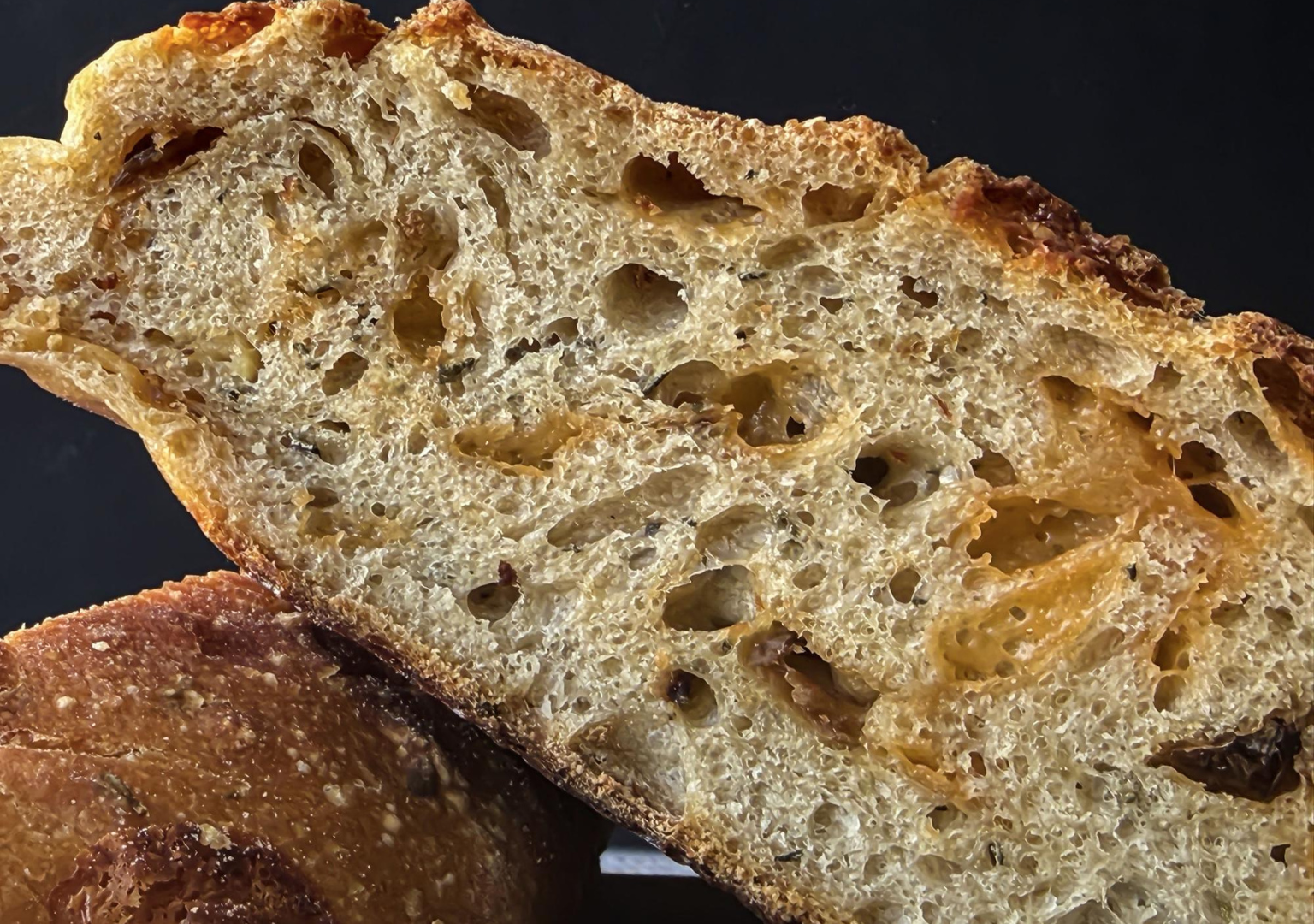
13. Ignoring Crumb Structure Analysis
Many beginners focus only on appearance.
Professional bakers evaluate:
- Crumb openness
- Air pocket distribution
- Texture consistency
How to Improve
Slice your bread and analyze it.
Ask:
- Is the crumb dense?
- Is fermentation even?
- Is moisture balanced?
This analytical habit speeds improvement.
14. Using Low-Quality Ingredients
Cheap ingredients can affect results.
Old yeast, low-protein flour, or poor-quality butter reduce performance.
How to Avoid It
Choose reliable brands.
Fresh ingredients enhance consistency and flavor.
Quality matters.
15. Lack of Consistency in Practice
Baking once a month slows progress.
Skill develops through repetition.
How to Improve
Bake regularly.
Even one recipe per week builds muscle memory and intuition.
Consistency is the fastest path to growth.
Transforming Mistakes Into Mastery
Mistakes aren’t obstacles — they’re lessons.
Every baking error teaches:
- Timing control
- Fermentation awareness
- Ingredient balance
- Patience
The more you observe and adjust, the more confident you become.
Professional bakers don’t avoid mistakes — they learn from them quickly.
Developing a Professional Mindset
To move beyond beginner status:
- Measure precisely
- Respect fermentation time
- Control temperature
- Analyze results
- Practice consistently
Adopt a mindset of continuous improvement.
Baking is both art and science. Mastery requires discipline and curiosity.
Growing With Every Loaf
If you dream of becoming a baker, understand this:
Perfection is not immediate.
Progress comes from:
- Observing dough carefully
- Respecting the process
- Learning from failure
- Staying patient
Each loaf you bake adds to your experience.
Mistakes are stepping stones — not setbacks.
Keep baking. Keep improving. Keep learning.
One day, the mistakes that once frustrated you will become the lessons that shaped your skill.
And that’s when you’ll realize you’re no longer a beginner — you’re becoming a true baker.