
If you’re planning to build a career in baking, you’ll eventually face an important decision: should you focus on artisan bread or traditional commercial bread?
Both styles have strong market demand. Both require skill and discipline. But they differ significantly in technique, production method, equipment, and business model.
Understanding these differences will help you choose a path aligned with your goals and professional vision.
Let’s explore both approaches clearly and objectively.
What Is Traditional Bread?
Traditional (commercial) bread is typically produced in larger quantities with a focus on consistency, efficiency, and affordability.
Examples include:
- Sandwich loaves
- Hamburger buns
- Hot dog rolls
- Standard dinner rolls
Characteristics of Traditional Bread
- Shorter fermentation time
- Higher yeast quantity
- Softer crust
- Uniform texture
- Standardized production
Production speed is often prioritized.
Commercial bakeries rely on efficiency and volume.
What Is Artisan Bread?
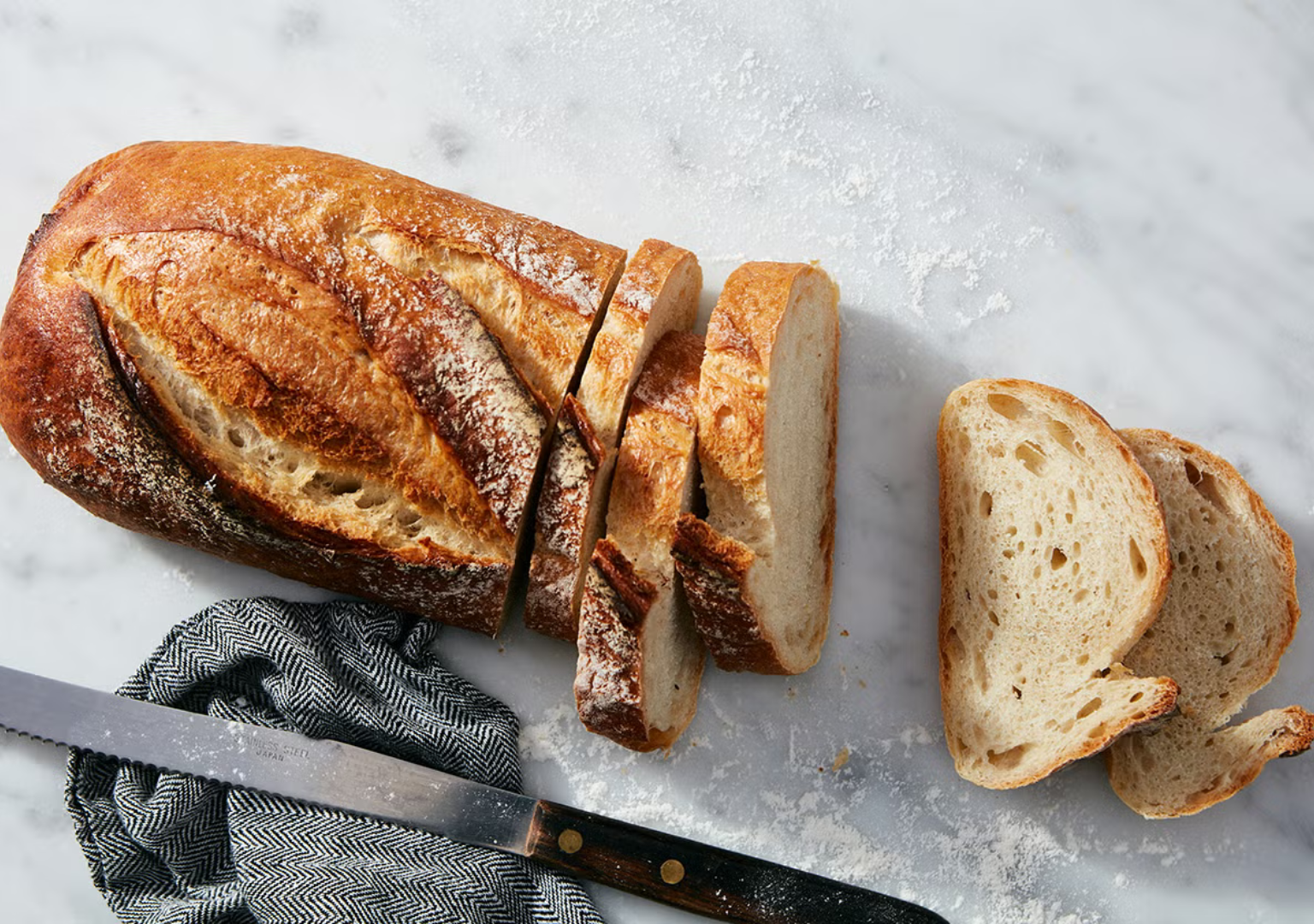
Artisan bread emphasizes craftsmanship, slower fermentation, and higher ingredient quality.
Common examples include:
- Sourdough loaves
- Rustic country bread
- Whole-grain artisan bread
- Naturally leavened bread
Characteristics of Artisan Bread
- Longer fermentation
- Lower yeast quantity or natural leavening
- Crisp crust
- Open crumb structure
- Hand shaping
- Emphasis on flavor complexity
Artisan baking prioritizes quality and depth over speed.
Production Process Differences
Fermentation
Traditional bread:
- Faster fermentation
- Often completed within a few hours
Artisan bread:
- Extended fermentation
- Cold proofing common
- Flavor develops gradually
Long fermentation produces more complex taste.
Mixing and Handling
Traditional bread:
- Heavy reliance on industrial mixers
- Mechanized shaping and dividing
Artisan bread:
- Often includes stretch-and-fold techniques
- Hand shaping is common
- Greater focus on dough feel
Artisan baking demands more hands-on attention.
Baking Environment
Traditional bakeries:
- High-capacity ovens
- Rapid production cycles
Artisan bakeries:
- Stone deck ovens
- Steam injection
- Careful temperature control
The baking method directly influences crust and texture.
Skill Development Comparison
Traditional Bread Career Benefits
Working in commercial production teaches:
- Efficiency
- High-volume workflow
- Time management
- Equipment operation
- Consistency under pressure
It builds speed and stamina quickly.
Artisan Bread Career Benefits
Artisan baking strengthens:
- Fermentation mastery
- Dough handling sensitivity
- Shaping precision
- Flavor development awareness
- Creative expression
It develops deep technical skill and craftsmanship.
Income Potential Differences
Traditional bread roles often provide:
- Stable employment
- Predictable schedules
- Structured salary progression
Artisan bread roles may offer:
- Higher product pricing
- Niche market opportunities
- Strong brand development potential
However, artisan baking can involve:
- Smaller production scale
- Greater skill expectations
- More detailed labor
Income potential depends heavily on location and market demand.
Market Demand and Trends
In recent years, artisan bread has grown in popularity due to:
- Interest in natural fermentation
- Demand for whole grains
- Focus on health-conscious eating
- Appreciation for handcrafted products
However, traditional bread remains essential for:
- Large-scale distribution
- Supermarkets
- Restaurants
- Institutional buyers
Both markets are strong — but serve different customer segments.
Work Environment Differences
Traditional bakeries may feel:
- Faster-paced
- Mechanically organized
- Highly structured
Artisan bakeries may feel:
- Craft-focused
- Detail-oriented
- Slower-paced but intense in technique
Your personality and preferences play a big role here.
Creative Freedom
Artisan baking allows more creativity.
You can experiment with:
- Flour blends
- Hydration levels
- Scoring patterns
- Natural fermentation
Traditional baking emphasizes uniformity.
Consistency is more important than experimentation.
If you enjoy artistic control, artisan baking may feel more fulfilling.
Physical Demands
Both paths are physically demanding.
However:
Traditional production often involves repetitive tasks at high speed.
Artisan production may involve more manual shaping and fermentation monitoring.
Stamina is essential in both.
Which Path Is Better for Beginners?
If you’re just starting, consider your goals.
Choose Traditional Baking If:
- You want stable employment quickly
- You enjoy structured environments
- You want to master large-scale production
- You prefer predictable processes
Choose Artisan Baking If:
- You enjoy detail and craftsmanship
- You want deep fermentation knowledge
- You appreciate creative expression
- You’re interested in niche markets
Neither path is superior — they simply serve different professional visions.
Can You Combine Both?
Absolutely.
Many successful bakers:
- Start in commercial bakeries to gain speed and efficiency
- Transition into artisan baking later
- Combine artisan quality with commercial structure
- Develop hybrid business models
Learning both systems makes you more versatile.
Versatility increases long-term career options.
Long-Term Career Growth
Traditional bread careers may lead to:
- Production manager roles
- Industrial bakery leadership
- Supply chain positions
Artisan bread careers may lead to:
- Boutique bakery ownership
- Teaching and workshops
- Brand collaborations
- Specialty product development
Your long-term ambition influences your choice.
Evaluating Your Personal Goals
Ask yourself:
- Do I prioritize creativity or stability?
- Do I prefer speed or depth?
- Do I want to manage large operations or craft small batches?
- Do I enjoy repetitive precision or experimental refinement?
Clarity brings confidence.
Final Reflection: Craft vs Scale
Traditional bread focuses on scale and efficiency.
Artisan bread focuses on craft and complexity.
Both require discipline.
Both require skill.
Both can lead to fulfilling careers.
If possible, explore both early in your journey.
Experience will help you discover what resonates with your personality and vision.
At the heart of both paths lies the same foundation:
Flour. Water. Salt. Yeast.
Precision. Patience. Practice.
Whichever path you choose, mastery comes from consistency and respect for the process.
Bake with intention.
Grow with discipline.
Choose the path that aligns with your goals.
Your future in baking begins with clarity — and commitment.