
If you dream of becoming a professional baker, mastering techniques is only half the journey. The other half lies in deeply understanding your ingredients. Baking is chemistry, structure, and balance — and every ingredient plays a precise role in the final result.
Many beginners follow recipes without truly understanding what each component does. But if you want to grow as a baker, you must go beyond instructions and learn how ingredients interact.
This guide will walk you through the essential ingredients every aspiring baker needs to understand — not just how to use them, but how they shape texture, flavor, structure, and consistency.
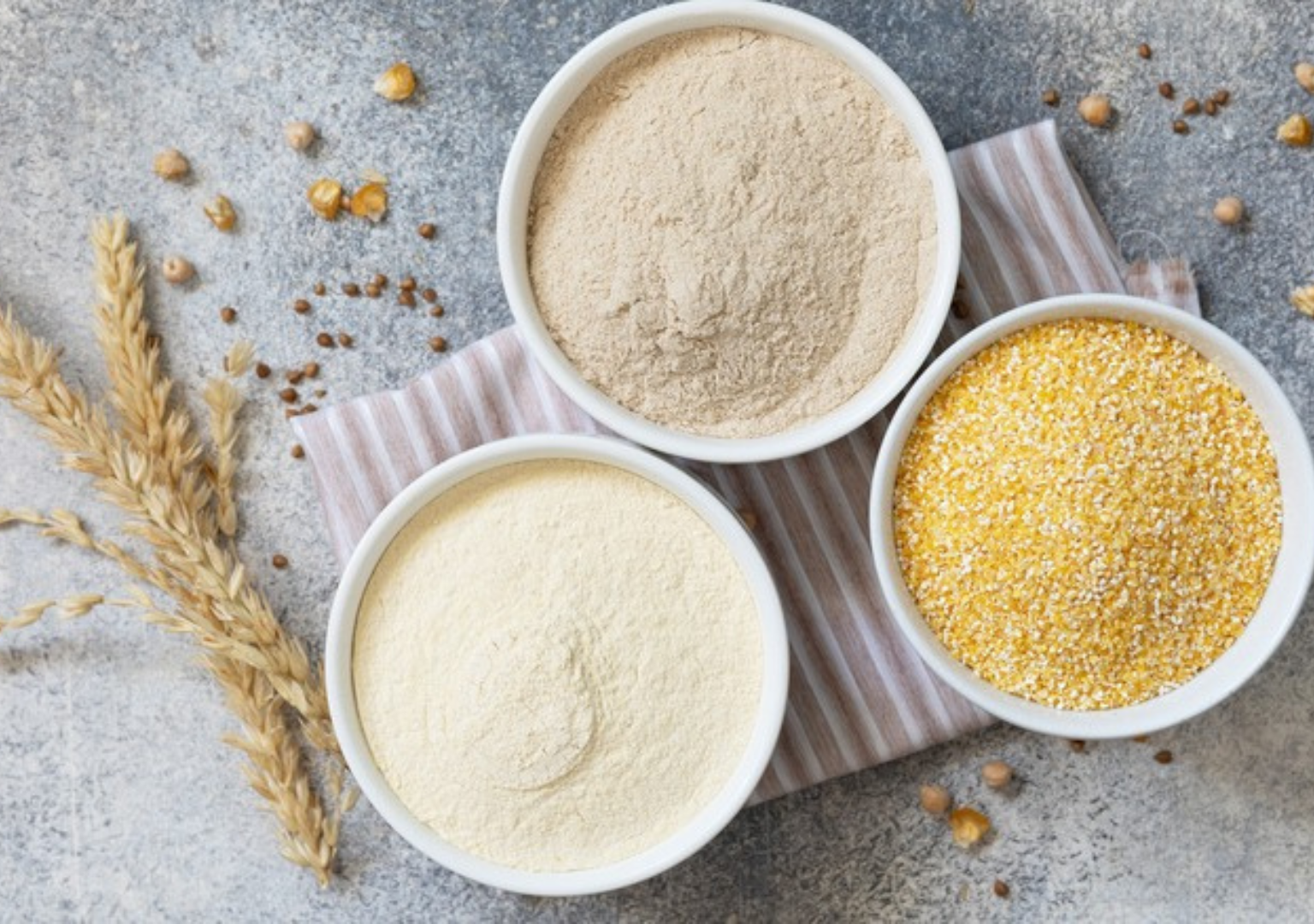
Flour: The Structural Foundation
Flour is the backbone of most baked goods.
It provides structure through gluten development — a protein network formed when flour is mixed with water and kneaded.
Types of Flour
Different flours contain varying protein levels:
- Bread flour → Higher protein, stronger gluten structure
- All-purpose flour → Moderate protein, versatile
- Cake flour → Lower protein, softer texture
- Whole wheat flour → Contains bran and germ, denser texture
Protein content directly affects elasticity, chewiness, and rise.
If you want airy artisan bread, strong gluten development is key. If you want tender cakes, low-protein flour is ideal.
Understanding flour is the first step toward baking mastery.
Yeast: The Living Leavening Agent
Yeast is a living organism that ferments sugars and produces carbon dioxide. That gas creates bubbles inside the dough, allowing it to rise.
Types of Yeast
- Active dry yeast
- Instant yeast
- Fresh yeast
Each type works slightly differently, but all serve the same purpose: fermentation.
Temperature, hydration, and time affect yeast performance.
Too hot? Yeast dies.
Too cold? Fermentation slows.
Too much salt? Activity decreases.
Learning how yeast behaves under different conditions gives you control over texture and flavor.
Salt: More Than Just Flavor
Salt is often underestimated, but it’s essential in baking.
Salt:
- Enhances flavor
- Strengthens gluten
- Regulates yeast activity
- Improves crust color
Without salt, bread tastes flat and fermentation becomes unpredictable.
Even small adjustments in salt quantity can influence structure and taste.
Precision matters.
Water: The Activator
Water hydrates flour, activates yeast, and allows gluten to form.
Hydration percentage (the ratio of water to flour) determines:
- Dough stickiness
- Crumb structure
- Open or tight texture
- Ease of handling
High-hydration dough produces airy, open crumb bread — but it requires skill to manage.
Water temperature also affects fermentation speed.
Controlling hydration gives you advanced control over results.
Sugar: Sweetness and Structure
Sugar does more than sweeten.
It:
- Feeds yeast
- Contributes to browning (caramelization)
- Improves moisture retention
- Enhances tenderness
In sweet dough and pastries, sugar plays both structural and flavor roles.
However, too much sugar can weaken gluten structure.
Balance is key.
Fats: Tenderness and Richness
Butter, oil, and other fats add softness and flavor.
Fats:
- Coat flour proteins
- Limit gluten development
- Increase tenderness
- Extend shelf life
In bread, small amounts of fat create softer crumb.
In pastries and laminated dough, fat creates flakiness and layers.
Understanding fat distribution helps you control texture precisely.
Eggs: Structure and Moisture
Eggs contribute:
- Protein (structure)
- Fat (richness)
- Moisture
- Color
They help bind ingredients together and improve volume.
In enriched dough, eggs enhance flavor and softness.
Egg temperature can also impact mixing consistency.
Room-temperature eggs often incorporate more evenly.
Milk and Dairy Products
Milk adds:
- Moisture
- Fat
- Protein
- Mild sweetness
It improves crust color and softness.
Dairy ingredients like yogurt or cream can also affect acidity and texture.
Understanding dairy helps expand your recipe variations.
Leavening Agents Beyond Yeast
Not all baked goods use yeast.
Chemical leaveners include:
- Baking powder
- Baking soda
These release gas quickly when exposed to moisture or acidity.
They’re commonly used in:
- Cakes
- Muffins
- Quick breads
Knowing when to use yeast versus chemical leaveners broadens your baking capabilities.
Natural Leavening: Sourdough Starter
A sourdough starter contains wild yeast and beneficial bacteria.
It:
- Produces complex flavor
- Enhances crust texture
- Improves digestibility
- Extends shelf life
Natural fermentation requires patience and careful maintenance.
Understanding sourdough deepens your fermentation knowledge.
Temperature and Ingredient Interaction
Ingredients don’t work independently — they interact dynamically.
For example:
- Warm water accelerates yeast activity
- Cold butter creates flakier pastry
- Room temperature ingredients mix more evenly
- High humidity affects flour absorption
Advanced baking requires awareness of environmental conditions.
Small environmental shifts can influence final results significantly.
How Ingredients Affect Texture
Texture is a direct result of ingredient ratios.
For example:
- More hydration → More open crumb
- More fat → Softer texture
- More sugar → More moisture retention
- Higher protein flour → Chewier bread
Understanding cause and effect allows you to adjust recipes intentionally.
This transforms you from recipe follower to recipe developer.
Ingredient Quality Matters
Not all ingredients are equal.
Higher-quality flour may have:
- Better protein structure
- More consistent milling
- Improved fermentation performance
Fresh yeast performs better than expired yeast.
Good butter enhances flavor significantly.
Investing in quality ingredients elevates your results.
Measuring Ingredients Correctly
Precision protects ingredient balance.
Use:
- A digital scale for flour, water, and sugar
- Measuring spoons for small quantities
- Consistent measurement units
Even slight variations can alter structure and texture.
Professional baking depends on consistency.
Common Beginner Mistakes
Avoid these common ingredient-related errors:
- Guessing measurements
- Ignoring ingredient temperature
- Using expired yeast
- Substituting ingredients randomly
- Overloading sugar or fat
Intentional adjustments require understanding, not guesswork.
Learning Through Observation
Pay attention to how dough behaves when you adjust:
- Hydration levels
- Fermentation time
- Flour type
- Salt percentage
Keep detailed notes.
Observation builds intuition.
Over time, you’ll begin to “feel” when dough is properly developed.
Building Ingredient Mastery
To deepen your understanding:
- Experiment with small variations
- Study professional baking books
- Compare flour brands
- Test different hydration levels
- Try both yeast and sourdough methods
Curiosity leads to growth.
The more you experiment with intention, the more confident you become.
From Ingredients to Craftsmanship
Becoming a professional baker isn’t just about following instructions — it’s about understanding the building blocks of your craft.
Flour forms structure.
Yeast drives fermentation.
Salt controls balance.
Water activates transformation.
Sugar and fats shape texture.
When you understand these roles, baking stops being mechanical and becomes purposeful.
Master the ingredients, and you master the foundation of baking.
The flour, water, salt, and yeast are simple.
But in skilled hands, they become extraordinary.
Keep learning. Keep experimenting. Keep baking.