
Starting your journey as a baker is exciting — but walking into a kitchen store can quickly become overwhelming. Shelves are filled with tools, gadgets, and expensive machines that promise professional results. The question is: what do you actually need as a beginner?
The truth is simple. You don’t need a fully equipped commercial kitchen to begin developing real baking skills. What you need is a solid understanding of the essential tools that make a difference — and the discipline to use them properly.
In this guide, you’ll discover the fundamental baking equipment every aspiring baker should start with, how each tool impacts your results, and how to invest wisely without overspending.
Why the Right Equipment Matters
Baking is precise. Unlike cooking, where adjustments can be made mid-process, baking relies on controlled variables.
The right tools help you:
- Measure accurately
- Control temperature
- Develop proper dough structure
- Improve consistency
- Save time and effort
Good equipment doesn’t replace skill — but it supports skill development.
Let’s break down what truly matters.
1. Digital Kitchen Scale (Your Most Important Tool)
If you buy only one professional tool, make it a digital kitchen scale.
Why It’s Essential
Baking depends on precision. Measuring flour by volume (cups) can lead to inconsistent results because flour compacts differently each time.
A scale allows you to:
- Measure ingredients accurately
- Follow professional recipes
- Adjust hydration percentages
- Maintain consistent results
Professional bakers measure almost everything in grams.
What to Look For
- Measures in grams and ounces
- Tare function (to reset weight to zero)
- At least 5kg capacity
- Easy-to-clean surface
This small investment dramatically improves your baking quality.
2. Mixing Bowls (Multiple Sizes)
You’ll need at least two to three mixing bowls.
Recommended Types
- Stainless steel bowls (durable and lightweight)
- Glass bowls (good for visibility)
Different sizes help you:
- Mix dough
- Rest ingredients
- Organize mise en place
- Prepare fillings or toppings
Having multiple bowls improves workflow and cleanliness.
3. Bench Scraper and Dough Scraper
These simple tools are often overlooked but extremely valuable.
Bench Scraper
Used for:
- Dividing dough
- Cleaning work surfaces
- Transferring ingredients
- Maintaining organization
Dough Scraper (Flexible Plastic)
Used for:
- Removing sticky dough from bowls
- Folding dough gently
- Handling high-hydration recipes
These tools improve efficiency and reduce waste.
4. Thermometer (Temperature Control Is Critical)
Temperature affects fermentation, yeast activity, and final texture.
Types to Consider
- Instant-read thermometer
- Oven thermometer
An instant-read thermometer helps you:
- Check water temperature
- Monitor dough temperature
- Ensure bread is fully baked internally
An oven thermometer ensures your oven heats accurately. Many home ovens run hotter or colder than their settings indicate.
Temperature awareness elevates your baking from guesswork to precision.
5. Baking Sheets and Pans
Start with versatile basics.
Recommended Starter Set
- Two heavy-duty baking sheets
- One loaf pan
- One round cake pan
- One rectangular pan
Choose pans that:
- Distribute heat evenly
- Resist warping
- Are easy to clean
High-quality pans last for years and improve consistency.
6. Stand Mixer (Optional but Helpful)
A stand mixer is not mandatory when starting — but it can be helpful.
When It’s Worth It
- You bake frequently
- You work with enriched dough (brioche, sweet dough)
- You prepare large batches
Hand-kneading builds skill and understanding of dough structure. However, a mixer saves time and physical effort when production increases.
If your budget is limited, start without one. You can always upgrade later.
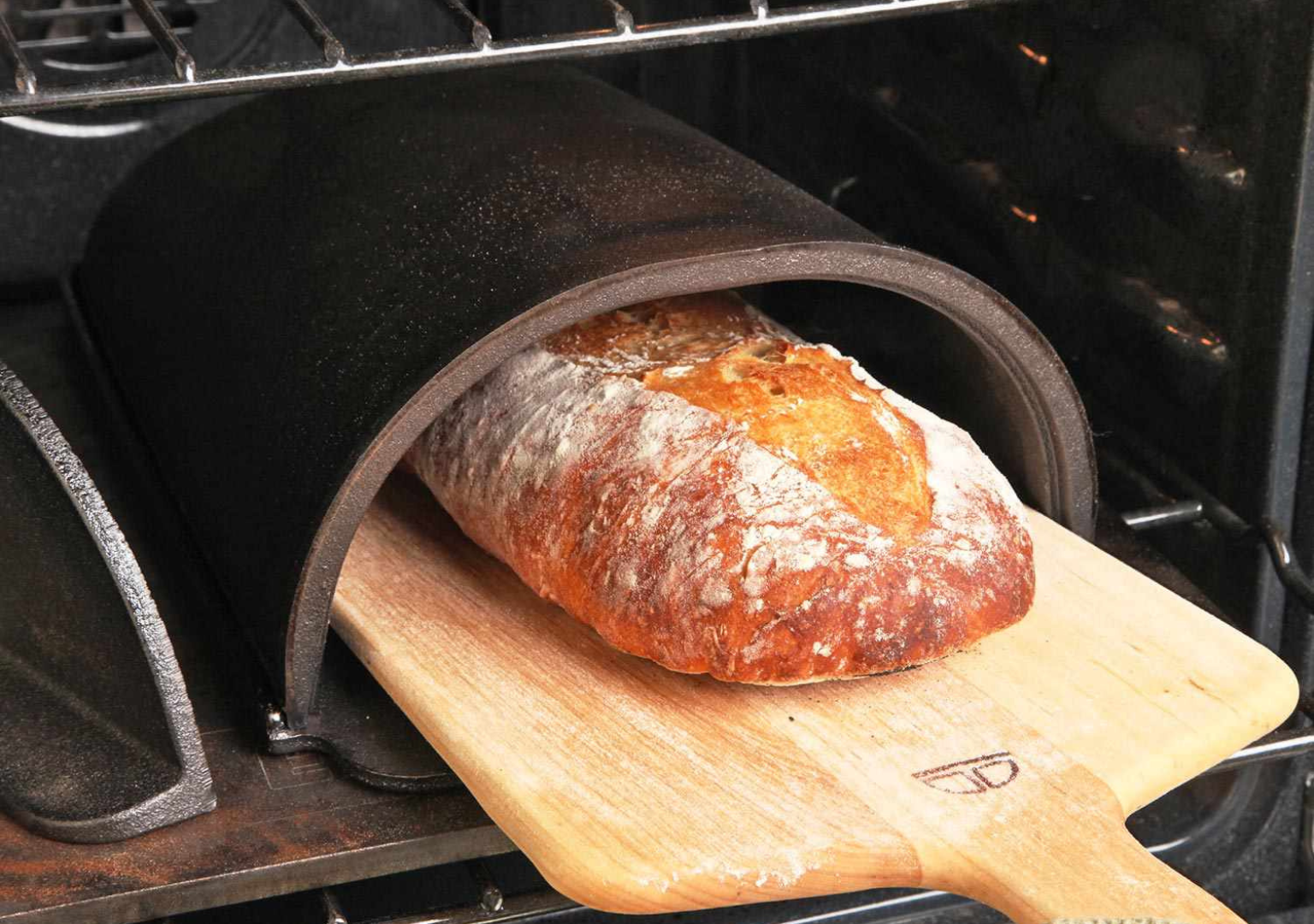
7. Baking Stone or Steel
If you plan to bake artisan bread, this tool makes a noticeable difference.
Benefits
- Improves heat retention
- Enhances oven spring
- Creates better crust texture
Placed inside your oven, it mimics the effect of professional deck ovens.
While not essential on day one, it’s a smart investment for serious bread enthusiasts.
8. Cooling Rack
Cooling bread properly prevents soggy bottoms.
A cooling rack allows air circulation underneath your baked goods.
Without proper airflow:
- Steam remains trapped
- Crust softens too much
- Texture suffers
It’s a simple but crucial finishing tool.
9. Measuring Spoons (For Small Quantities)
Even though scales are superior for bulk ingredients, measuring spoons are useful for:
- Baking powder
- Baking soda
- Spices
- Small amounts of salt
Choose metal spoons for durability and accuracy.
10. Sharp Blade or Bread Lame
If you’re baking artisan bread, proper scoring is essential.
Scoring:
- Controls expansion
- Prevents random cracking
- Enhances appearance
A bread lame (razor tool) gives you clean, controlled cuts.
Proper scoring improves both aesthetics and structure.
Equipment You Don’t Need Right Away
It’s easy to overspend on specialty tools early on.
Avoid buying:
- Expensive specialty molds
- Multiple decorative gadgets
- Commercial ovens
- Dough sheeters
- Industrial mixers
Focus on mastering technique first. Equipment upgrades should follow skill growth.
How to Build Your Equipment Gradually
Instead of buying everything at once, build your toolkit in phases.
Phase 1: The Basics
- Digital scale
- Mixing bowls
- Bench scraper
- Baking sheet
- Loaf pan
Phase 2: Precision Tools
- Thermometer
- Cooling rack
- Bread lame
Phase 3: Advanced Upgrades
- Baking stone or steel
- Stand mixer
- Specialized pans
This approach protects your budget and keeps your focus on learning.
Quality vs. Price: What Matters Most?
Expensive doesn’t always mean better.
When choosing tools:
- Read reviews
- Prioritize durability
- Avoid overly cheap materials
- Focus on heat distribution quality
Investing in reliable basics is smarter than buying trendy gadgets.
Keeping Your Equipment in Good Condition
Proper maintenance extends the life of your tools.
- Clean pans gently
- Avoid scratching non-stick surfaces
- Store blades safely
- Dry equipment thoroughly
- Avoid sudden temperature shocks on metal pans
Taking care of your tools reflects professionalism.
Equipment Is Support — Skill Is the Foundation
It’s important to remember: tools support technique.
You can produce exceptional bread with simple equipment if you understand:
- Fermentation timing
- Hydration control
- Gluten development
- Temperature management
Professional skill comes from repetition, observation, and discipline — not from expensive gear.
Setting Up Your Workspace Efficiently
Even a small kitchen can feel professional if organized properly.
- Keep ingredients within reach
- Clean as you work
- Prepare everything before starting
- Avoid clutter
Organization improves productivity and reduces stress.
Investing With Purpose
If your dream is to become a professional baker, treat equipment purchases as long-term investments.
Ask yourself:
- Will this tool improve consistency?
- Will it help me scale production?
- Does it align with my baking goals?
Purposeful investment builds a solid foundation.
Building Confidence With the Right Tools
Starting with the right equipment gives you confidence.
You’ll:
- Trust your measurements
- Control your temperatures
- Improve your consistency
- Reduce beginner frustration
The goal isn’t to own everything. It’s to own what truly matters.
Start Simple, Bake Often, Upgrade Gradually
You don’t need a commercial kitchen to begin your baking journey. With a digital scale, a few pans, a thermometer, and consistent practice, you can develop professional-level habits.
Start simple. Bake frequently. Learn deeply.
As your skill grows, your equipment can grow with you.
The tools are ready. The flour is waiting. Your journey begins now.