
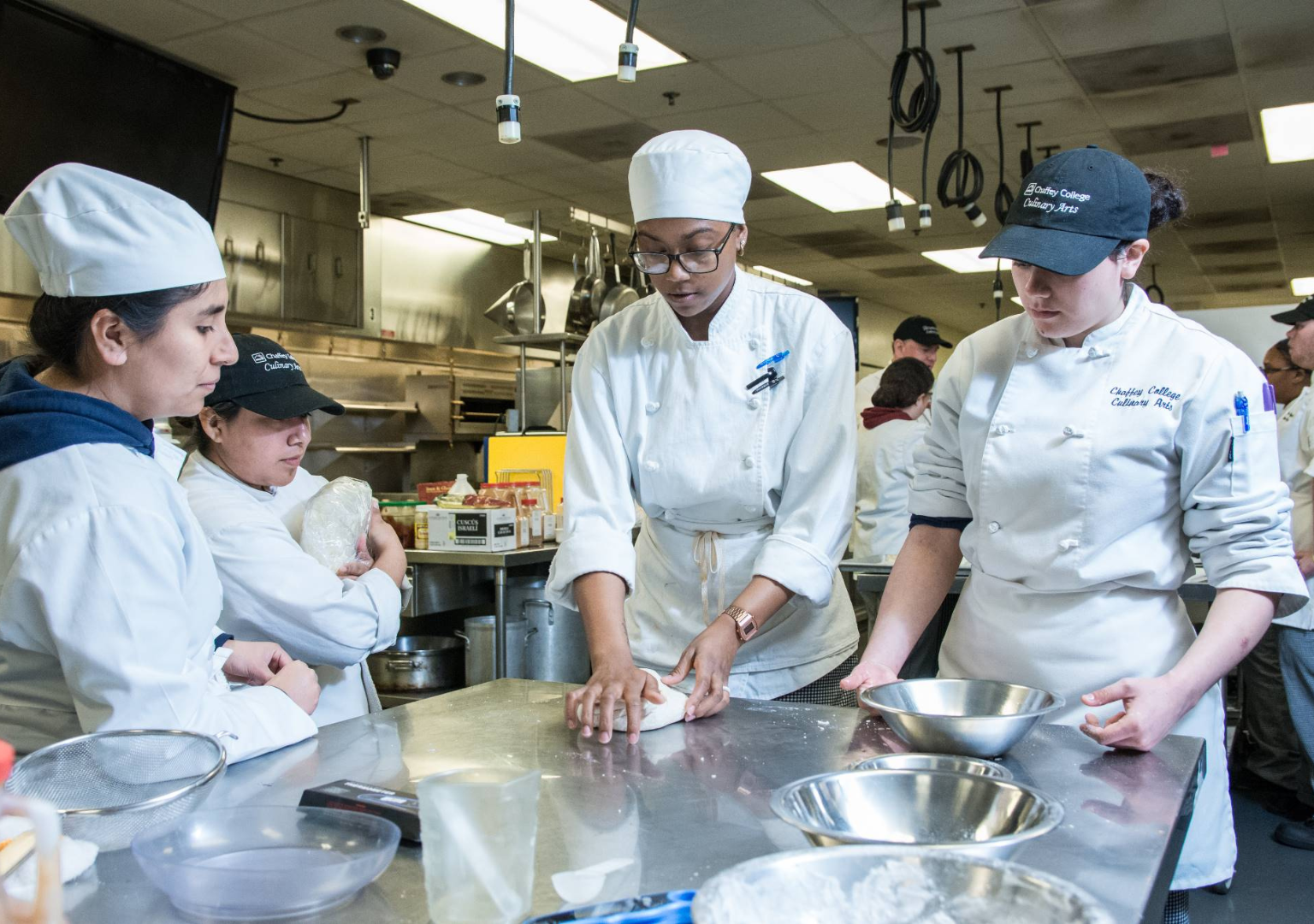
If you dream of becoming a professional baker, you’ve probably asked yourself: Do I really need a baking course? With so many online tutorials, books, and free resources available, it’s natural to wonder whether formal education is worth the investment.
The truth is that there’s no single path into the baking profession. Some bakers are self-taught, while others graduate from culinary institutes. The right choice depends on your goals, budget, learning style, and career ambitions.
In this guide, we’ll break down the real advantages, potential drawbacks, and key factors to help you decide whether a baking course is the right move for you.
What a Professional Baking Course Usually Teaches
A structured baking program typically covers more than just recipes.
Most professional courses include:
- Ingredient science and functionality
- Dough development and gluten structure
- Fermentation control
- Bread shaping techniques
- Pastry fundamentals
- Food safety and hygiene standards
- Production planning
- Cost control basics
The biggest advantage of formal training is organization. Instead of learning randomly, you follow a progressive structure designed to build skill step by step.
This structured learning often prevents common beginner mistakes.
The Benefits of Taking a Baking Course
1. Accelerated Learning
When you learn alone, trial and error can take years. A course condenses essential knowledge into weeks or months.
You gain:
- Professional guidance
- Immediate feedback
- Hands-on practice
- Clear technical explanations
Mistakes are corrected quickly, which speeds up improvement.
2. Access to Professional Equipment
Many home bakers never work with:
- Deck ovens
- Spiral mixers
- Proofing cabinets
- Dough dividers
Courses provide access to commercial-grade tools. Learning how to operate professional equipment makes you more prepared for bakery jobs.
3. Industry Credibility
While talent matters most, certifications can strengthen your resume.
Some employers prefer candidates who have completed:
- Vocational baking programs
- Culinary school diplomas
- Recognized food safety certifications
Even when not required, formal education can give you a competitive edge.
4. Networking Opportunities
In-person courses allow you to:
- Connect with instructors
- Meet fellow aspiring bakers
- Learn from industry professionals
These relationships may open doors to internships or job opportunities later.
When a Baking Course Might Not Be Necessary
Not everyone needs formal education to succeed.
You may not need a course if:
- You have strong self-discipline
- You’re committed to structured self-study
- You have access to mentorship
- You learn effectively through practice and research
Many successful bakers built their skills through:
- Books written by professional bakers
- Online masterclasses
- Apprenticeships
- Years of hands-on experimentation
Self-learning requires patience and consistency — but it’s absolutely possible.
Comparing Different Types of Baking Courses
Before enrolling, understand the different formats available.
Vocational Schools
These programs are often more affordable and career-focused. They emphasize practical skills and food safety.
Best for:
Those seeking entry-level professional work quickly.
Culinary Institutes
These schools offer comprehensive training in both baking and culinary arts.
Best for:
Students who want a broad foundation and long-term career flexibility.
Online Courses
Online programs range from beginner tutorials to advanced masterclasses.
Best for:
Self-motivated learners with limited time or budget.
Workshops and Short Courses
These focus on specific techniques, such as sourdough or laminated dough.
Best for:
Skill specialization and refinement.
Choosing the right format depends on your financial situation and long-term goals.
Cost vs. Return on Investment
One of the biggest concerns is cost.
Professional baking courses can vary significantly in price. Before investing, ask yourself:
- Will this course increase my employability?
- Does it offer hands-on experience?
- Is the instructor reputable?
- Are job placement opportunities included?
If the course helps you secure employment faster or build higher-quality skills, the investment may be worthwhile.
However, going into debt for education without a clear plan can create unnecessary pressure.
Always weigh potential benefits against financial reality.
The Importance of Food Safety Certification
Regardless of whether you take a full baking course, obtaining a food safety certification is highly recommended.
Professional kitchens require knowledge of:
- Sanitation procedures
- Cross-contamination prevention
- Safe storage temperatures
- Personal hygiene standards
Even short food safety programs add credibility and improve job prospects.
The Role of Apprenticeships
In many cases, working directly in a bakery can be just as valuable — or even more valuable — than classroom training.
An apprenticeship provides:
- Real production experience
- Exposure to daily bakery operations
- Direct mentorship
- Immediate skill application
If you can combine a short course with real-world apprenticeship experience, you’ll accelerate your development significantly.
Questions to Ask Before Enrolling
Before committing to a baking course, ask:
- Who is the instructor, and what is their professional background?
- Is the program hands-on or mostly theoretical?
- What equipment will I use?
- Are ingredients included in the tuition?
- Are there job placement resources?
- Is the certification recognized locally?
Research protects you from investing in low-quality programs.
Building Skills Without Formal Education
If you decide not to take a course, create your own structured plan:
- Study ingredient science deeply
- Practice foundational bread recipes repeatedly
- Keep detailed baking records
- Analyze every mistake
- Work part-time in a local bakery
Structure and discipline are the keys to self-taught success.
Combining Education and Experience
Often, the best path is a hybrid approach.
For example:
- Take a short professional course
- Work in a bakery simultaneously
- Continue self-study at home
- Attend specialized workshops later
This balanced method allows you to grow steadily without overwhelming financial risk.
Making the Decision That Fits Your Goals
If your goal is to:
- Work quickly in a commercial bakery → A vocational course may help.
- Open your own bakery → Business education combined with baking training is valuable.
- Bake as a serious hobby → Structured self-learning may be enough.
There is no universal answer. The “right” path depends on your ambitions and circumstances.
Final Thoughts on Investing in Your Baking Career
A baking course can be extremely valuable — but only if it aligns with your goals.
Education provides structure, professional guidance, and credibility. However, dedication, practice, and resilience matter far more than certificates alone.
If you’re disciplined, willing to practice consistently, and open to learning from mistakes, you can succeed with or without formal schooling.
What truly determines your success is not the classroom — it’s your commitment to mastering the craft.
Whether you choose formal education, apprenticeship, or self-study, remember this: every skilled baker once started as a beginner.
Your journey begins with a decision. Choose the path that supports your growth, your budget, and your long-term vision.
The oven is ready whenever you are.


4
Ok
How to Work in a Bakery Even Without Experience
Many aspiring bakers hesitate to apply for jobs because they believe they need years of experience first. The truth is that every professional baker started somewhere — often with little or no formal experience. Bakeries value dedication, reliability, and willingness to learn just as much as technical skills.
If you dream of working in a bakery but feel unqualified, this guide will show you practical steps to break into the industry and build your career from the ground up.
Understand What Entry-Level Roles Look Like
When starting without experience, you may not immediately become a head baker. That’s completely normal.
Common entry-level roles include:
- Bakery assistant
- Prep assistant
- Dishwasher
- Ingredient organizer
- Packaging staff
- Front counter support
These roles may seem simple, but they offer invaluable exposure to real bakery operations.
Working behind the scenes allows you to observe professional workflow, production timing, and quality standards.
Develop Basic Skills at Home First
Even without professional experience, you can prepare yourself before applying.
Start practicing:
- Basic white bread
- Dinner rolls
- Simple sweet dough
- Focaccia
- Rustic artisan loaves
Focus on:
- Accurate measurements
- Dough consistency
- Proper kneading technique
- Clean workspace habits
When you walk into an interview with even basic hands-on knowledge, it shows initiative.
Build a Simple Portfolio
You don’t need professional photography equipment. But documenting your work can help you stand out.
Take clear photos of:
- Finished loaves
- Crumb structure (interior of the bread)
- Dough shaping stages
- Consistent results over time
Create a small digital folder or social media page showcasing your practice.
This demonstrates commitment and seriousness.
Highlight Transferable Skills
Even if you’ve never worked in a bakery, you likely have relevant skills from other jobs.
For example:
- Restaurant work → Food handling experience
- Retail jobs → Customer service skills
- Warehouse jobs → Physical stamina
- Office work → Organization and time management
Employers appreciate candidates who can bring discipline and reliability to the team.
Be Honest About Your Experience Level
When applying, don’t exaggerate your skills.
Instead, say something like:
“I’m highly motivated to learn and willing to start at any level to gain experience.”
Honesty builds trust. Most bakery owners prefer training someone eager and dependable over hiring someone overconfident.
Show Up Prepared and Professional
First impressions matter.
When visiting a bakery to apply:
- Dress neatly and simply
- Bring a printed resume
- Be punctual
- Show enthusiasm
- Demonstrate respect for the team
Small details signal professionalism.
Offer to Start Small
Some bakery owners may hesitate to hire inexperienced candidates. Offering flexibility can make a difference.
You might propose:
- A trial shift
- A part-time position
- Weekend assistance
- Early morning support
Once they see your work ethic, opportunities often expand.
Learn the Bakery Workflow
Working in a bakery involves more than baking itself.
You’ll learn about:
- Production schedules
- Ingredient inventory
- Cleaning routines
- Team coordination
- Customer demand cycles
Pay attention to how experienced bakers organize their day. Efficiency is critical in professional environments.
Develop Physical Readiness
Bakery work is physically demanding.
Prepare by:
- Improving stamina
- Wearing supportive shoes
- Practicing proper lifting techniques
- Getting enough sleep
Early morning shifts are common. Adjusting your sleep schedule in advance can help you adapt quickly.
Understand Food Safety Basics
Even without formal training, you can study basic food safety principles.
Learn about:
- Hand hygiene
- Cross-contamination prevention
- Safe ingredient storage
- Clean-as-you-go habits
If possible, complete a basic food safety certification. It strengthens your resume significantly.
Ask Questions and Learn Constantly
When you secure your first position, adopt a learner’s mindset.
Observe carefully:
- How dough is mixed and handled
- How fermentation is monitored
- How ovens are managed
- How quality control is maintained
Ask thoughtful questions at appropriate times.
Curiosity shows engagement.
Accept Feedback With Humility
You will make mistakes. Everyone does.
Professional growth requires:
- Listening carefully
- Adjusting techniques
- Avoiding defensiveness
- Practicing corrections
Constructive criticism is part of skill development.
The faster you accept feedback, the faster you improve.
Build Relationships Within the Bakery
Teamwork is essential in production environments.
Support your colleagues by:
- Helping during busy hours
- Maintaining cleanliness
- Communicating clearly
- Respecting schedules
Positive relationships create long-term opportunities.
Many promotions happen internally when dedication is noticed.
Continue Learning Outside Work
Working in a bakery gives practical experience, but self-study accelerates mastery.
You can:
- Read professional baking books
- Watch high-quality tutorials
- Practice new techniques at home
- Attend workshops
Continuous improvement distinguishes ambitious bakers from average employees.
Be Patient With Career Growth
Promotions in bakeries often happen gradually.
You might progress from:
- Assistant → Junior baker
- Junior baker → Line baker
- Line baker → Head baker
Growth depends on:
- Consistency
- Skill improvement
- Reliability
- Leadership potential
Patience combined with steady progress builds a strong professional reputation.
Common Mistakes to Avoid
When starting without experience, avoid these pitfalls:
- Pretending to know more than you do
- Ignoring hygiene standards
- Complaining about early hours
- Rushing fermentation processes
- Being careless with measurements
Professionalism is about discipline as much as talent.
Turning Opportunity Into a Career
Breaking into the baking industry without experience is absolutely possible.
The key ingredients are:
- Initiative
- Humility
- Discipline
- Physical endurance
- Willingness to learn
Many successful bakers began by cleaning trays or organizing ingredients.
The difference between those who succeed and those who quit is persistence.
If you’re ready to wake up early, learn continuously, and respect the craft, your first bakery job could be the start of a long and rewarding career.
Start small. Stay consistent. Improve daily.
Every professional baker once stood exactly where you are now — ready for a first opportunity.
The door is open. Step inside.