
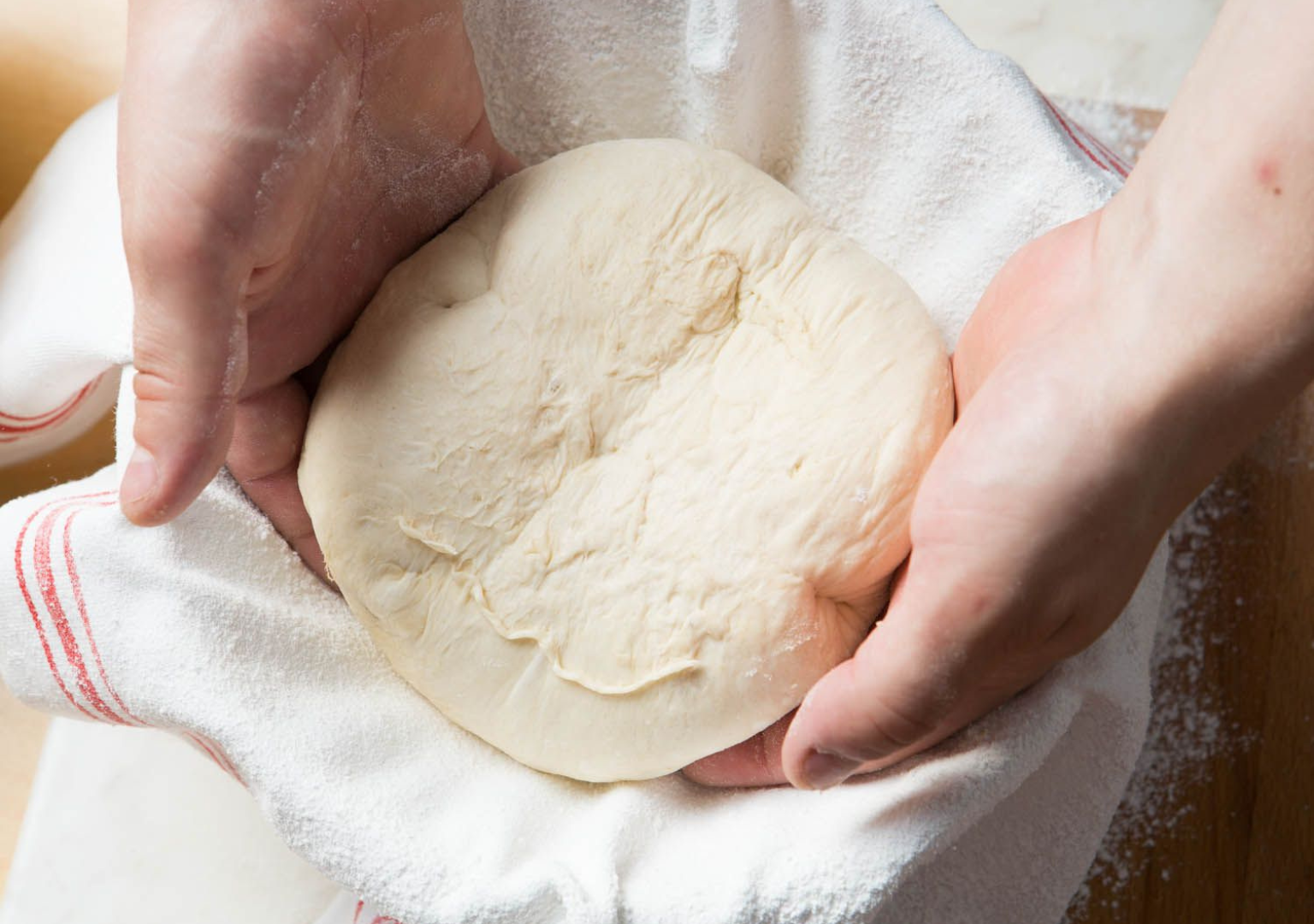
Choosing to become a professional baker is more than selecting a job — it’s embracing a craft. Baking combines science, technique, discipline, and creativity in a way few professions do. If you’re serious about turning your passion for bread into a long-term career, understanding where to begin and how to grow is essential.
This guide will walk you through the foundational steps to launch your professional baking journey with confidence and clarity.
Understanding the Reality of the Profession
Before entering the baking world, it’s important to understand what the career truly involves.
Professional bakers often:
- Start work before sunrise
- Manage high production demands
- Work in warm environments
- Stand for long hours
- Follow strict hygiene and safety protocols
The romantic idea of baking fresh bread is beautiful — but the daily routine requires resilience and discipline.
When you understand both the challenges and rewards, you can prepare properly and stay committed long-term.
Step 1: Build a Strong Technical Foundation
Every successful baker starts with mastering the basics.
Learn Ingredient Science
Understanding how ingredients interact is fundamental:
- Flour forms structure through gluten.
- Yeast drives fermentation.
- Salt strengthens dough and enhances flavor.
- Water activates gluten and yeast.
- Fats enrich texture.
Knowing the science behind baking helps you troubleshoot issues effectively.
Practice Measurement Precision
Professional baking depends on accuracy. Invest in a digital scale and always measure ingredients by weight. Small inconsistencies can drastically change results.
Study Fermentation
Fermentation is the heart of bread baking. Learn about:
- Bulk fermentation
- Proofing stages
- Temperature control
- Hydration levels
- Natural sourdough starters
Mastering fermentation separates beginners from professionals.
Step 2: Practice Consistently at Home
You don’t need industrial equipment to begin developing professional habits.
Start with foundational recipes:
- Basic white bread
- Dinner rolls
- Focaccia
- Sourdough
- Simple sweet dough
Create a baking journal where you record:
- Recipe adjustments
- Room temperature
- Fermentation times
- Texture results
- Observations
This analytical habit builds professional thinking early on.
Step 3: Invest in Education
Formal education is not mandatory, but it can accelerate growth.
You may consider:
- Culinary school programs
- Vocational baking courses
- Online professional classes
- Workshops with experienced bakers
Courses often teach:
- Production planning
- Food safety regulations
- Equipment handling
- Cost control basics
Even self-taught bakers benefit from structured learning resources and reputable textbooks.
Step 4: Gain Real Bakery Experience
Hands-on experience in a professional bakery is transformative.
Look for:
- Internships
- Apprenticeships
- Entry-level assistant roles
Even starting with basic tasks like cleaning or organizing ingredients exposes you to workflow, timing, and production standards.
Professional kitchens teach efficiency and teamwork in ways home baking cannot replicate.
Step 5: Develop Physical and Mental Endurance
Baking is physically demanding.
To prepare:
- Build stamina
- Wear supportive shoes
- Practice proper lifting techniques
- Maintain a healthy sleep routine
Mental resilience is equally important. Production environments can be fast-paced and high-pressure. Staying calm and focused is a key professional trait.
Step 6: Learn About Commercial Equipment
As you grow, familiarize yourself with professional tools such as:
- Deck ovens
- Convection ovens
- Spiral mixers
- Proofing cabinets
- Dough dividers
Understanding equipment increases your employability and confidence in a commercial setting.
At home, you can begin with:
- Digital scale
- Bench scraper
- Thermometer
- Baking stone or steel
Professional habits can start in small kitchens.
Step 7: Understand Food Safety Standards
Food safety knowledge is essential for professional credibility.
Learn about:
- Cross-contamination prevention
- Proper storage temperatures
- Sanitation procedures
- Personal hygiene standards
Many regions require food safety certification. Completing one early strengthens your resume.
Step 8: Discover Your Specialty
As your skills improve, consider exploring different baking paths:
- Artisan sourdough
- Whole grain breads
- Enriched doughs (like brioche)
- Rustic European-style loaves
- Health-focused baking
Specialization can help you stand out in a competitive market.
Some bakers focus on traditional craftsmanship, while others innovate with modern techniques.
Your identity will evolve through experience.
Step 9: Build a Professional Portfolio
Document your work carefully.
Photograph:
- Finished loaves
- Crumb structure
- Dough shaping techniques
- Unique creations
High-quality images help when applying for jobs or building a personal brand online.
Consistency in presentation reflects professionalism and attention to detail.
Step 10: Learn Basic Business Skills
If you dream of opening your own bakery one day, begin learning business fundamentals early.
Key areas include:
- Ingredient cost calculation
- Pricing strategies
- Waste management
- Inventory control
- Customer service
Even if you plan to remain an employee, understanding business operations increases your value within a team.
Common Mistakes Beginners Should Avoid
Starting your career without guidance can lead to setbacks.
Avoid:
- Rushing fermentation
- Ignoring precise measurements
- Neglecting hygiene standards
- Overcomplicating recipes too soon
- Skipping foundational techniques
Focus first on consistency before innovation.
Career Growth Opportunities
As you gain experience, several career paths open:
- Head baker
- Production supervisor
- Recipe developer
- Baking instructor
- Bakery consultant
- Bakery owner
Growth comes from continuous learning and dedication to improving your craft.
Staying Motivated Long-Term
Every baker faces difficult days:
- Failed batches
- Equipment malfunctions
- High production pressure
The key to longevity in the profession is maintaining passion while embracing discipline.
Remember why you started.
The smell of fresh bread at sunrise.
The satisfaction of perfect crust and crumb.
The joy of creating something meaningful with your hands.
These moments make the hard work worthwhile.
Turning Passion into a Sustainable Career
Becoming a professional baker is a journey built on skill, repetition, and resilience. Start with strong fundamentals. Practice consistently. Seek real-world experience. Build discipline. Continue learning.
Success in baking doesn’t happen overnight — it’s earned loaf by loaf.
If you’re ready to commit, begin today. Every great baker once stood exactly where you are now: at the starting line, full of ambition and flour-covered dreams.
The path is demanding — but deeply rewarding.