
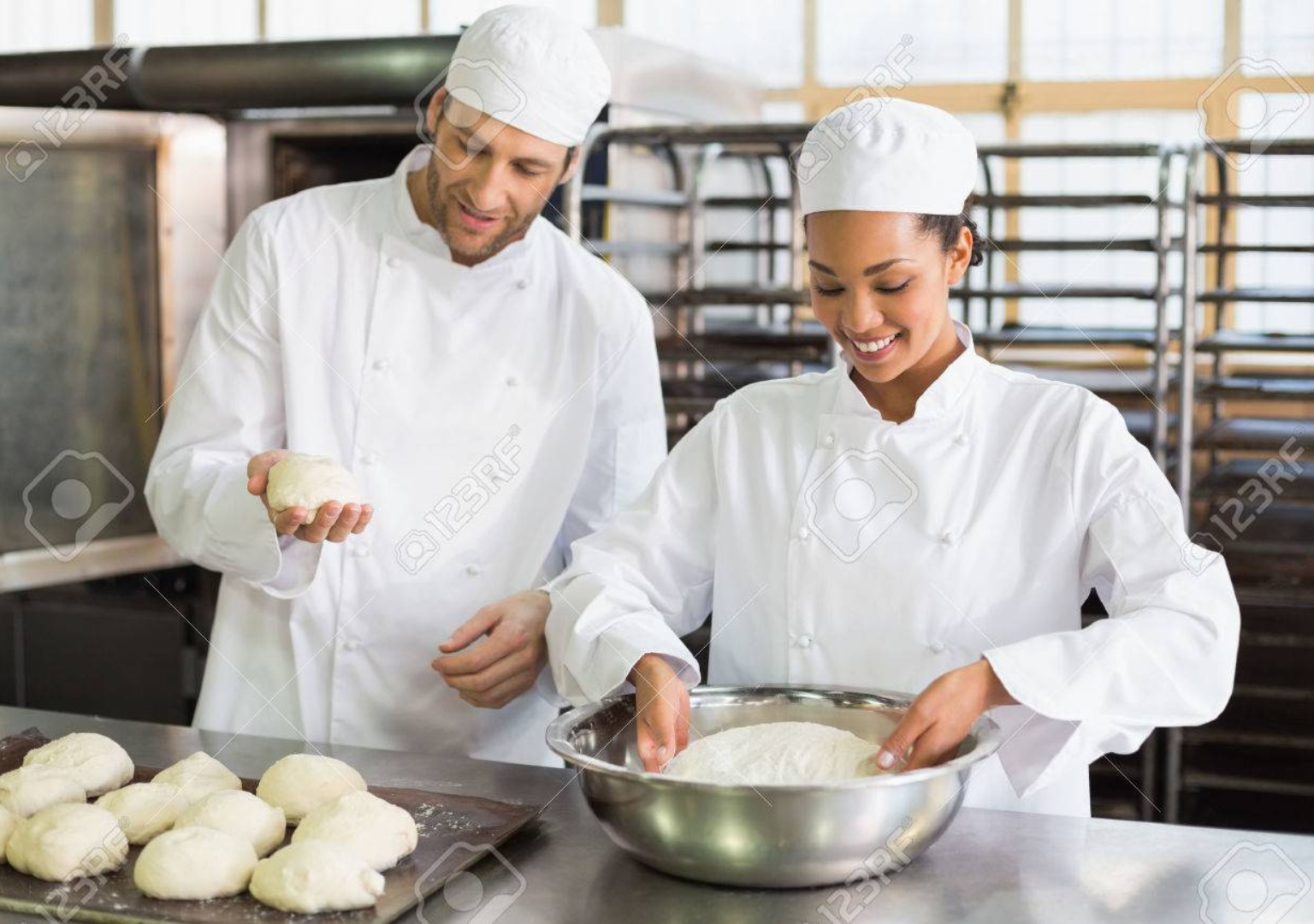
Working in a busy bakery can be intense. Early mornings, tight deadlines, multiple batches fermenting at once, and customer expectations create constant pressure.
Handling this pressure professionally is what separates beginners from experienced bakers.
If you want to remain calm and consistent even on high-volume days, here’s how to manage production pressure effectively.
Understand That Pressure Is Part of the Profession
In a professional bakery, pressure comes from:
- Large orders
- Holiday demand
- Equipment limitations
- Staffing shortages
- Strict delivery times
Pressure is normal.
The key is learning to respond calmly rather than react emotionally.
1. Start With a Clear Production Plan
Uncertainty increases stress.
Before production begins:
- Review all orders
- Write a timeline
- Plan fermentation stages
- Organize oven loading sequence
Clear planning reduces mental overload.
Structure creates stability.
2. Prioritize Tasks Strategically
Not all tasks are equally urgent.
Identify:
- What must be done immediately
- What can wait
- Which batches need attention first
Prioritization prevents chaos.
Focus on the most time-sensitive tasks first.
3. Maintain Clean Workflow
Disorganization multiplies stress.
Keep your station:
- Clean
- Organized
- Free of unnecessary tools
- Properly stocked
Clutter creates confusion under pressure.
Clean space supports clear thinking.
4. Focus on One Task at a Time
When overwhelmed, avoid multitasking excessively.
Concentrate on:
- Shaping one batch properly
- Loading oven carefully
- Monitoring fermentation accurately
Divided attention increases mistakes.
Controlled focus reduces errors.
5. Communicate Clearly With Your Team
In a team environment:
- Confirm responsibilities
- Share timing updates
- Ask for help when needed
- Provide concise information
Clear communication prevents misunderstandings.
Team coordination reduces pressure significantly.
6. Control Your Breathing and Posture
Stress affects physical performance.
When feeling overwhelmed:
- Slow your breathing
- Stand upright
- Move deliberately
- Avoid rushing movements
Calm physical posture supports calm thinking.
Professional composure inspires confidence.
7. Avoid Shortcuts Under Pressure
It may be tempting to:
- Shorten fermentation
- Skip resting stages
- Increase oven temperature
- Rush shaping
Shortcuts usually create bigger problems later.
Respecting process protects quality.
8. Prepare for Peak Periods in Advance
High-demand periods like holidays require planning.
Prepare by:
- Increasing starter strength
- Pre-scaling ingredients
- Ordering extra supplies
- Adjusting production schedule
Preparation reduces surprise stress.
9. Learn From High-Pressure Days
After busy shifts, reflect:
- What worked well?
- Where did delays occur?
- Was fermentation timing realistic?
- Could workflow be improved?
Evaluation strengthens future performance.
Pressure becomes a learning opportunity.
10. Protect Your Energy
Fatigue increases stress.
Support your energy by:
- Staying hydrated
- Eating balanced meals
- Taking short breaks when possible
- Maintaining sleep discipline
Physical stability supports mental clarity.
Common Mistakes Under Pressure
Avoid:
- Panicking visibly
- Ignoring small errors
- Blaming others
- Overloading yourself unnecessarily
- Rushing oven loading
Professionalism includes emotional control.
Signs You’re Handling Pressure Well
You’ll notice growth when:
- You remain calm during busy hours
- Mistakes decrease
- Production flows smoothly
- Team communication improves
- You recover quickly after setbacks
Calm control is a professional strength.
Final Thoughts: Pressure Reveals Discipline
Busy production days test your discipline.
They reveal:
- Your preparation habits
- Your time management
- Your emotional stability
- Your technical control
Pressure does not need to create chaos.
With planning, communication, and structured habits, even the busiest days can feel manageable.
Stay organized.
Prioritize wisely.
Communicate clearly.
Move calmly.
Respect the process.
Professional bakers are not those who avoid pressure.
They are those who remain steady within it.
Build that steadiness — and you will grow stronger with every busy shift.
Let pressure refine your discipline, not weaken it.
Ok
How to Develop Leadership Skills in a Bakery Environment
As your experience grows, you may move from beginner tasks to greater responsibility. Leadership in a bakery is not only about technical skill — it’s about organization, communication, and reliability.
Whether you aim to become a head baker or open your own bakery one day, leadership skills will shape your long-term success.
Let’s explore how to develop strong leadership habits in a bakery environment.
Understand That Leadership Is Built, Not Assigned
A title does not automatically make someone a leader.
True leadership is demonstrated through:
- Consistent quality
- Calm behavior under pressure
- Clear communication
- Responsibility
- Problem-solving ability
Leadership begins before you officially hold a leadership position.
1. Master Your Technical Foundations
Before guiding others, your own skills must be reliable.
Focus on:
- Consistent fermentation control
- Confident shaping technique
- Accurate scaling
- Efficient oven management
Technical stability builds credibility.
Credibility earns respect.
2. Communicate Clearly and Directly
Effective leaders:
- Give simple, clear instructions
- Confirm understanding
- Avoid vague language
- Maintain respectful tone
Communication prevents errors and builds team confidence.
Clarity reduces confusion during busy production hours.
3. Lead by Example
Your daily habits influence others.
Demonstrate:
- Punctuality
- Clean workstation habits
- Calm demeanor
- Attention to detail
When others see consistency, they are more likely to follow your standard.
Behavior speaks louder than words.
4. Stay Calm Under Pressure
In high-volume situations, team members often look to leaders for stability.
Maintain:
- Controlled body language
- Steady tone of voice
- Focused decision-making
Calm leadership reduces panic and increases efficiency.
Emotional discipline is essential.
5. Learn to Delegate Wisely
Strong leaders do not attempt to do everything themselves.
Instead, they:
- Assign tasks based on skill level
- Monitor progress
- Offer guidance when needed
Delegation improves productivity and team development.
Trust builds stronger teams.
6. Provide Constructive Feedback
When correcting mistakes:
- Be specific
- Stay calm
- Focus on improvement
- Avoid personal criticism
Constructive feedback strengthens skill without damaging morale.
Respectful correction builds trust.
7. Improve Organizational Skills
Leadership requires planning.
Develop habits such as:
- Writing clear production schedules
- Tracking inventory levels
- Monitoring fermentation timing
- Coordinating oven loads
Organization reduces chaos and increases efficiency.
8. Support Team Development
A strong leader helps others improve.
Encourage team members by:
- Sharing technique tips
- Explaining fermentation adjustments
- Demonstrating shaping methods
Teaching strengthens your own understanding as well.
Leadership includes mentorship.
9. Take Responsibility for Mistakes
When problems occur:
- Avoid blaming others
- Analyze the issue objectively
- Adjust processes
- Implement solutions
Accountability strengthens credibility.
A responsible leader earns respect.
10. Continue Developing Yourself
Leadership growth never stops.
Improve:
- Time management
- Conflict resolution
- Cost awareness
- Customer communication
A leader who continues learning sets a powerful example.
Common Leadership Mistakes to Avoid
Avoid:
- Micromanaging excessively
- Communicating harshly
- Ignoring team input
- Overloading yourself
- Reacting emotionally
Balanced leadership supports healthy team culture.
Signs Your Leadership Skills Are Growing
You’ll notice progress when:
- Team members trust your decisions
- Production flows more smoothly
- Communication improves
- Mistakes decrease
- Others seek your guidance
Leadership maturity develops gradually.
Final Thoughts: Leadership Is Consistent Discipline
Leadership in a bakery is not dramatic.
It is steady, organized, and reliable.
Arrive prepared.
Communicate clearly.
Support your team.
Stay calm under pressure.
Take responsibility.
When you combine technical mastery with emotional discipline, you naturally grow into leadership.
Over time, your presence will influence workflow, morale, and quality.
Strong leaders elevate not only themselves — but everyone around them.
Build leadership habits daily.
And your baking career will expand beyond skill into true professional impact.