
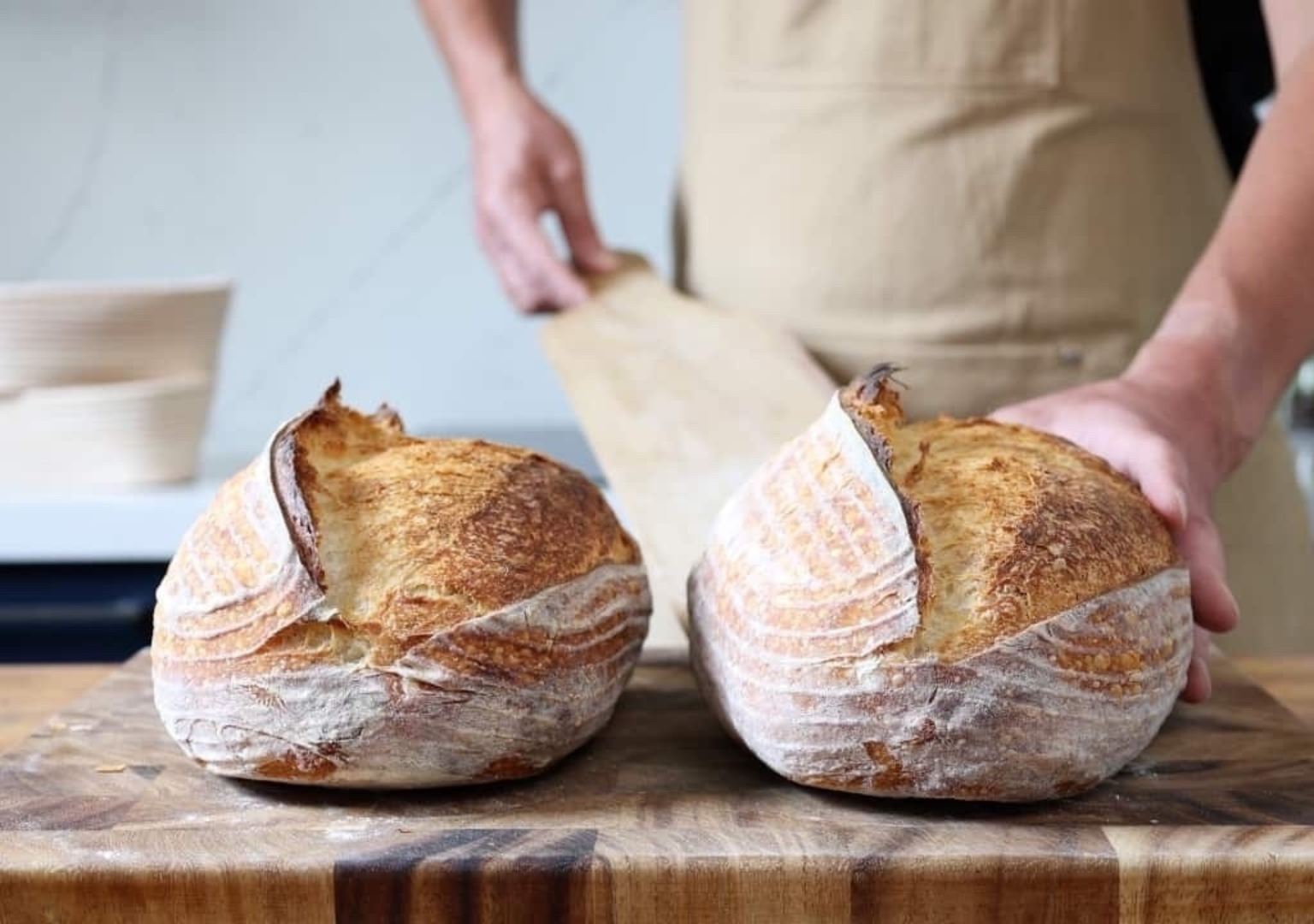
Oven spring is one of the most satisfying moments in baking. When properly fermented and shaped dough hits a fully preheated oven, it expands dramatically, creating height, open crumb, and beautiful scoring.
However, weak oven spring is a common frustration among beginner bakers.
If your loaves are spreading instead of rising, this guide will help you understand how to improve expansion and structure.
What Is Oven Spring?
Oven spring refers to the rapid expansion of dough during the first minutes of baking.
It occurs because:
- Yeast activity accelerates briefly in heat
- Gases expand
- Steam forms inside the dough
- Gluten structure stretches
Strong oven spring depends on preparation before the dough ever enters the oven.
1. Perfect Your Fermentation Timing
Fermentation is the foundation of oven spring.
Underproofed dough:
- Expands aggressively
- May tear irregularly
- Creates uneven crumb
Overproofed dough:
- Lacks strength
- Collapses or spreads
- Produces flat loaves
Learn to recognize proper proof using:
- The poke test
- Visual expansion
- Dough elasticity
Correct fermentation creates balanced expansion.
2. Build Strong Surface Tension
Shaping influences structure.
Tight surface tension:
- Directs expansion upward
- Supports clean scoring
- Prevents spreading
Loose shaping leads to flat loaves.
Practice confident shaping and proper seam sealing.
Structure before baking supports rise in the oven.
3. Preheat the Oven Fully
Oven spring depends on intense initial heat.
Always:
- Preheat for at least 30–45 minutes
- Use a baking stone or steel when possible
- Verify oven temperature accuracy
Insufficient heat reduces expansion.
Stable heat improves lift.
4. Use Steam During Initial Baking
Steam is critical for oven spring.
Steam:
- Keeps crust flexible
- Delays crust formation
- Allows maximum expansion
Without steam, crust hardens too early and restricts rise.
You can create steam by:
- Adding hot water to a preheated tray
- Using a Dutch oven
- Spraying oven walls (carefully and safely)
Steam during the first 10–15 minutes makes a noticeable difference.
5. Score the Dough Properly
Scoring controls expansion.
Proper scoring:
- Directs where the loaf opens
- Prevents random tearing
- Enhances visual appeal
Use a sharp blade.
Make confident cuts at the correct depth.
Shallow scoring may not open fully.
Overly deep scoring can weaken structure.
6. Avoid Overhandling Before Baking
Handling dough too aggressively before baking:
- Deflates gas
- Weakens structure
- Reduces rise
Transfer dough carefully.
Preserve internal gas pockets.
Gentle handling supports expansion.
7. Check Hydration Level
Hydration influences oven spring.
Higher hydration:
- Encourages open crumb
- Improves steam formation
- Requires careful shaping
Lower hydration:
- Easier to control
- Produces tighter crumb
Adjust hydration gradually if crumb feels dense.
Balance is key.
8. Strengthen Gluten Development
Strong gluten traps expanding gases.
Improve gluten by:
- Proper kneading
- Stretch-and-fold cycles
- Autolyse technique
- Sufficient bulk fermentation
Weak gluten limits expansion.
Strong structure supports height.
9. Bake at the Right Temperature
For artisan bread, baking temperatures typically range between:
230–260°C (445–500°F)
Lower temperatures may reduce oven spring.
Ensure oven is stable before loading dough.
Consistent heat promotes consistent expansion.
10. Avoid Opening the Oven Too Early
Opening the oven during the first 10–15 minutes:
- Releases steam
- Drops temperature
- Interrupts expansion
Allow initial rise to complete before checking.
Patience improves results.
Common Causes of Weak Oven Spring
Flat loaves may result from:
- Overproofing
- Insufficient preheating
- Lack of steam
- Weak shaping
- Poor gluten development
- Low hydration
- Dull scoring blade
Analyze each factor methodically.
Adjust one variable at a time.
Signs of Strong Oven Spring
You’ll know it’s working when:
- Loaf expands upward noticeably
- Scoring opens cleanly
- Crumb is open and balanced
- Crust forms beautifully
Oven spring is visible evidence of well-managed fermentation.
Final Thoughts: Preparation Determines Expansion
Oven spring is not created in the oven alone.
It’s built through:
- Proper fermentation
- Confident shaping
- Strong gluten
- Adequate hydration
- High initial heat
- Proper steam
When all elements align, the result is dramatic.
Focus on fundamentals before baking.
Respect fermentation.
Build structure.
Preheat thoroughly.
Use steam wisely.
Oven spring is the reward for disciplined preparation.
And when your loaves rise tall and open beautifully, you’ll know your process is working.
Keep refining.
Keep observing.
Let your technique rise — and your bread will follow.