
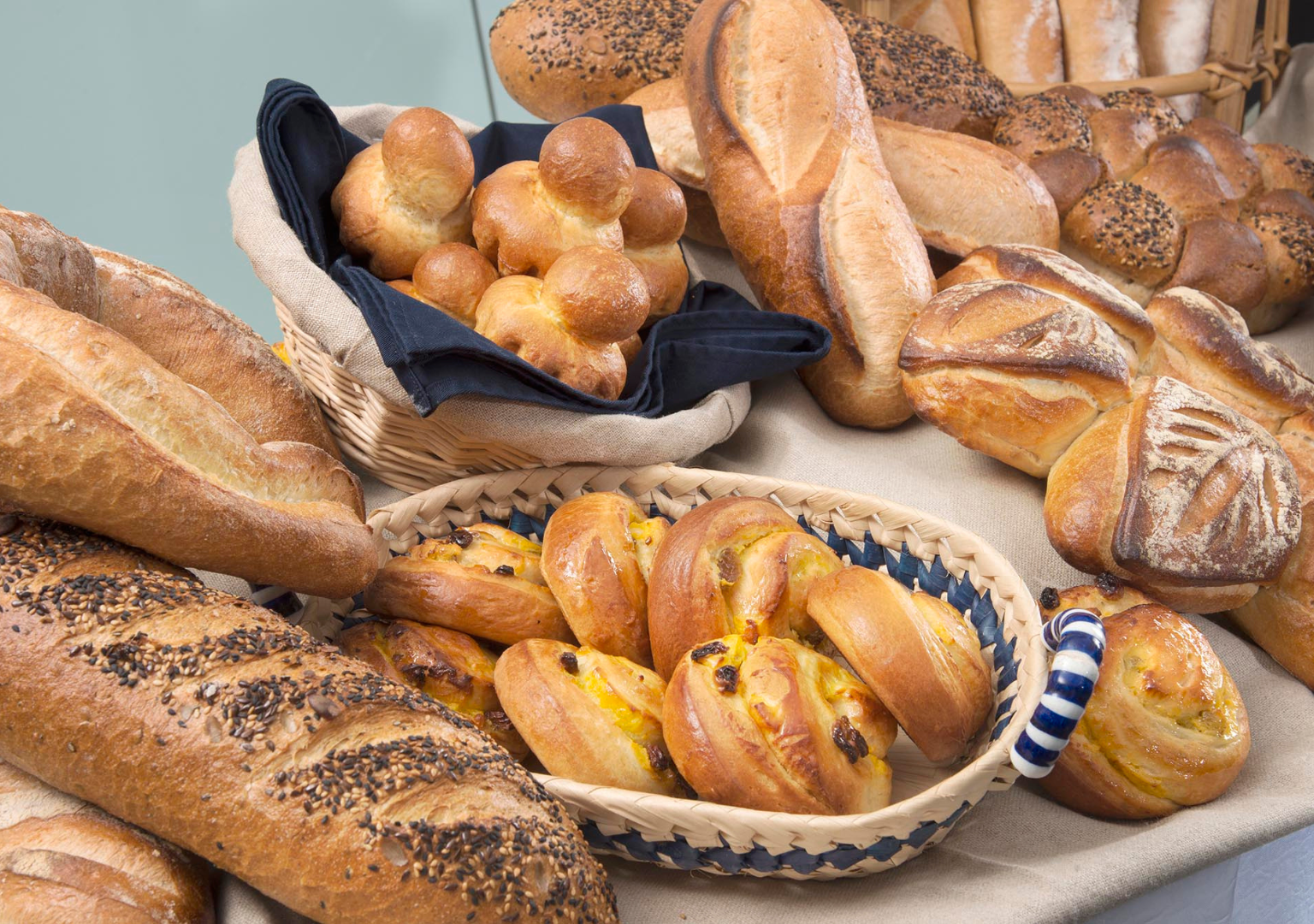
As your baking reputation grows, customers will begin requesting custom orders. These may include special shapes, unique flavors, dietary adjustments, or large event quantities.
Handling custom requests professionally can increase income and strengthen customer loyalty — but it requires structure and discipline.
Let’s explore how to manage bread orders efficiently while protecting quality and profitability.
Why Custom Orders Require Structure
Custom orders can:
- Increase revenue
- Build stronger customer relationships
- Differentiate your bakery
- Expand your product range
However, without organization, they may also cause:
- Production delays
- Ingredient shortages
- Scheduling conflicts
- Financial miscalculations
Professional systems prevent stress.
Step 1: Establish Clear Order Policies
Before accepting custom requests, define basic rules:
- Minimum notice period (e.g., 48–72 hours)
- Minimum quantity requirements
- Payment terms (deposit or full payment upfront)
- Cancellation policy
Clear policies protect your time and reduce misunderstandings.
Transparency builds trust.
Step 2: Confirm Details in Writing
Always confirm:
- Product type
- Quantity
- Pickup or delivery time
- Special ingredients
- Pricing
Written confirmation prevents confusion.
Professional communication reduces mistakes.
Step 3: Evaluate Production Capacity
Before accepting large orders, ask:
- Do I have oven capacity?
- Will this overlap with regular production?
- Can I maintain quality?
- Do I have enough ingredients in stock?
Overcommitting leads to stress and inconsistent results.
Accept orders realistically.
Step 4: Calculate Custom Pricing Carefully
Custom orders may require:
- Specialty ingredients
- Additional labor
- Unique shaping
- Extra packaging
Price accordingly.
Never price custom work the same as standard items if production time increases.
Fair pricing protects sustainability.
Step 5: Schedule Backward From Delivery Time
As with regular production, plan in reverse.
If delivery is at 10:00 AM:
- When must baking finish?
- When must final proof end?
- When must bulk fermentation begin?
Precise scheduling prevents last-minute pressure.
Step 6: Keep Ingredients Organized
Custom requests may include:
- Seed blends
- Herbs
- Sweet fillings
- Alternative flour
Prepare ingredients in advance.
Mise en place (organized preparation) reduces errors.
Step 7: Protect Core Production
Custom orders should not compromise your standard offerings.
Ensure:
- Regular customers still receive consistent quality
- Signature products remain stable
- Production flow remains balanced
Core reliability sustains your reputation.
Step 8: Handle Special Dietary Requests Carefully
If a customer requests:
- Whole grain only
- Lower salt
- Specific seed combinations
Ensure you understand how modifications affect structure and fermentation.
Be honest if a request may impact quality.
Professional integrity builds long-term trust.
Step 9: Require Deposits for Large Orders
For significant quantities, consider:
- Partial deposit upfront
- Full payment before pickup
This reduces financial risk and last-minute cancellations.
Clear payment policies support professionalism.
Step 10: Maintain Professional Packaging
Custom orders often carry higher expectations.
Ensure:
- Clean presentation
- Proper labeling
- Secure packaging
- Clear handling instructions
Presentation influences perceived value.
Step 11: Communicate Clearly and Calmly
If delays or unexpected issues arise:
- Inform the customer immediately
- Offer realistic solutions
- Maintain professional tone
Strong communication can turn potential problems into trust-building moments.
Step 12: Evaluate Profitability After Completion
After fulfilling a custom order, review:
- Was it profitable?
- Did it disrupt workflow?
- Was production manageable?
- Would you accept a similar order again?
Analysis improves future decisions.
Common Mistakes to Avoid
Avoid:
- Accepting last-minute large orders
- Underpricing custom work
- Ignoring scheduling impact
- Failing to document order details
- Overloading production beyond capacity
Professional discipline prevents chaos.
Benefits of Handling Orders Well
When managed properly, custom orders:
- Increase income
- Strengthen client loyalty
- Build word-of-mouth marketing
- Enhance brand reputation
Satisfied customers often become repeat buyers.
Signs You’re Managing Orders Professionally
You’ll notice progress when:
- Production remains organized
- Quality stays consistent
- Customers reorder
- Scheduling feels controlled
- Financial margins remain healthy
Structure builds confidence.
Final Thoughts: Balance Flexibility With Discipline
Custom orders are opportunities — not obligations.
Accept them when:
- You have capacity
- Pricing is sustainable
- Quality remains protected
Professional baking requires both flexibility and boundaries.
Communicate clearly.
Plan carefully.
Price fairly.
Deliver consistently.
When handled with discipline, custom orders strengthen your business instead of overwhelming it.
And as your experience grows, you’ll learn to balance creativity with structure — building a reputation not just for great bread, but for professional reliability.