
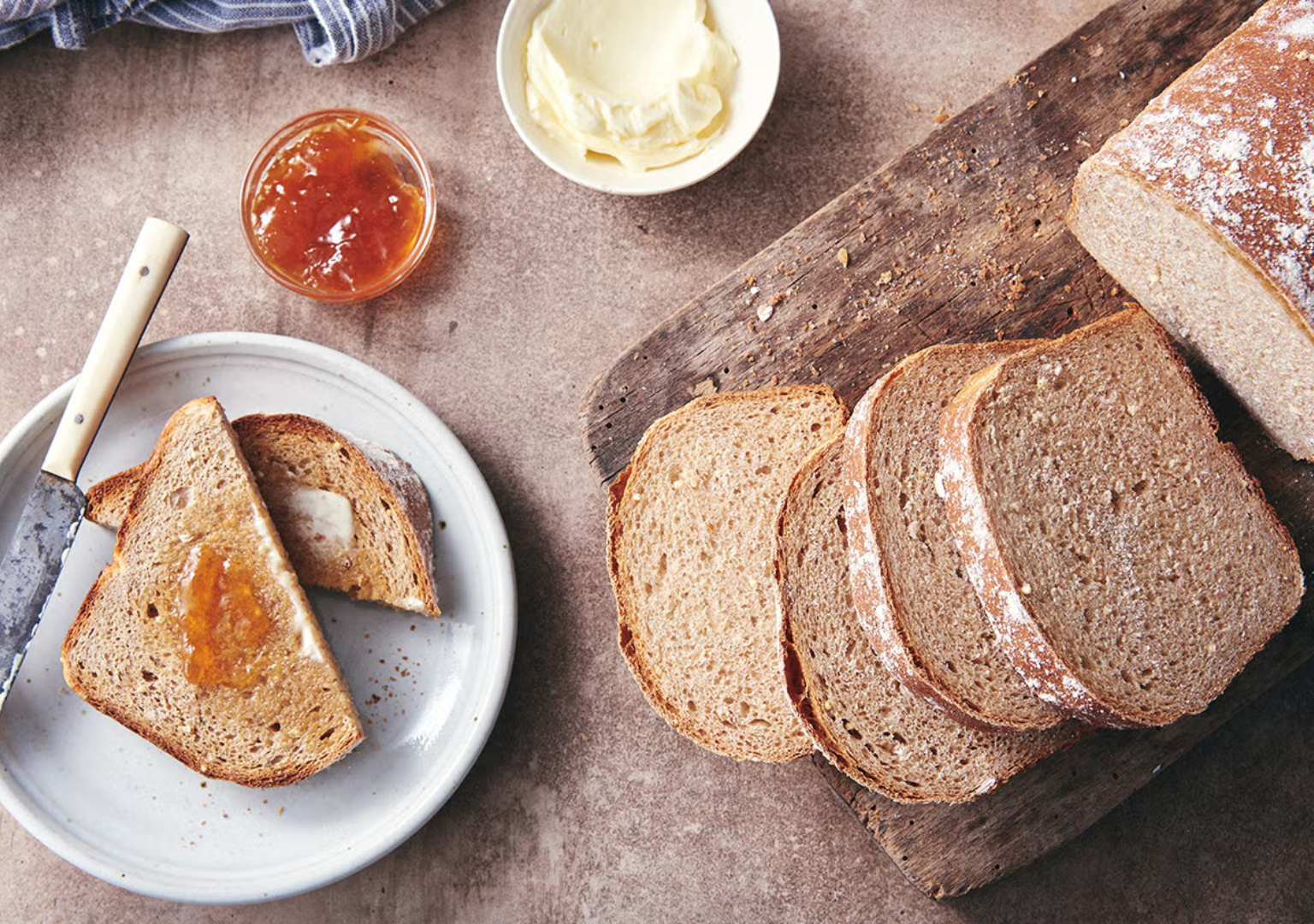
The world of artisan baking continues to evolve. While traditional techniques remain essential, customer preferences, ingredient awareness, and sustainability trends are shaping how modern bakeries operate.
If you want to stay competitive and relevant as a baker, understanding current trends can help you adapt strategically — without compromising quality or authenticity.
Let’s explore some of the most important trends influencing artisan baking today.
1. Long Fermentation and Sourdough Revival
Sourdough is no longer a niche product.
Customers increasingly value:
- Natural fermentation
- Digestibility
- Complex flavor
- Minimal ingredients
Long fermentation improves both texture and taste.
Bakers who understand wild yeast management and cold proofing techniques often stand out in competitive markets.
Mastering fermentation science gives you a professional advantage.
2. Whole Grain and Ancient Grains
Health-conscious consumers seek breads made with:
- Whole wheat
- Rye
- Spelt
- Einkorn
- Multigrain blends
Whole grain bread is appreciated for:
- Higher fiber content
- Rich flavor
- Nutritional value
However, producing high-quality whole grain loaves requires careful hydration and fermentation control.
Modern artisan bakers combine nutrition with craftsmanship.
3. Clean Labels and Transparency
Customers increasingly read ingredient lists.
They prefer products that avoid:
- Artificial preservatives
- Chemical additives
- Artificial flavor enhancers
Transparency builds trust.
Clearly communicating your ingredients and process can strengthen customer loyalty.
Simple formulas often attract greater confidence.
4. Sustainable and Local Sourcing
Sustainability is influencing purchasing decisions.
Many artisan bakeries focus on:
- Locally milled flour
- Organic ingredients
- Reduced packaging waste
- Responsible sourcing
Highlighting responsible practices adds value to your brand identity.
Environmental awareness resonates strongly with modern consumers.
5. Small-Batch Craftsmanship
Mass production appeals to convenience.
Artisan baking appeals to authenticity.
Customers appreciate:
- Hand-shaped loaves
- Limited daily batches
- Visible craftsmanship
- Attention to detail
Positioning your products as carefully crafted — rather than mass-produced — enhances perceived quality.
6. Hybrid Products and Innovation
While tradition is respected, innovation is welcomed.
Examples include:
- Sourdough pizza crust
- Savory stuffed loaves
- Seasonal flavor combinations
- Creative scoring patterns
Innovation should enhance, not replace, structural quality.
Creativity supported by technique builds strong differentiation.
7. Health-Focused Adaptations
Modern consumers look for options such as:
- Lower-sodium bread
- Seed-enriched loaves
- High-protein blends
- Alternative grains
Understanding nutritional balance while maintaining structure can expand your customer base.
Adaptation should remain aligned with professional standards.
8. Visual Appeal and Social Media Influence
Baking has become highly visual.
Social media platforms showcase:
- Open crumb structures
- Artistic scoring
- Rustic presentation
- Behind-the-scenes fermentation
A visually appealing loaf can attract attention instantly.
Professional presentation supports marketing success.
9. Educational Content and Transparency
Customers enjoy learning about baking.
Sharing insights about:
- Fermentation process
- Flour types
- Baking techniques
- Ingredient benefits
can increase engagement and trust.
Educating your audience positions you as a knowledgeable professional.
10. Balanced Simplicity
Despite innovation, many trends point back to simplicity.
Minimalist breads with:
- Flour
- Water
- Salt
- Natural starter
continue to dominate artisan markets.
Quality ingredients and precise technique remain central.
Trends may evolve — but fundamentals endure.
How to Adapt Without Losing Identity
It’s not necessary to follow every trend.
Instead:
- Observe customer interest
- Evaluate feasibility
- Test small batches
- Analyze profitability
- Maintain quality standards
Strategic adaptation prevents instability.
Your identity should remain consistent.
Avoid Trend Overload
Common mistakes include:
- Launching too many experimental products
- Abandoning core recipes
- Ignoring cost implications
- Overcomplicating production
Trends should support — not overwhelm — your bakery.
Balance innovation with discipline.
Signs You’re Adapting Well
You’ll know you’re integrating trends effectively when:
- Customers show increased interest
- Sales remain stable or grow
- Production stays organized
- Quality remains consistent
Adaptation should feel structured, not chaotic.
Final Thoughts: Tradition and Innovation Together
Artisan baking thrives when tradition and innovation coexist.
Respect fermentation science.
Maintain ingredient quality.
Observe market changes.
Adapt carefully.
Protect consistency.
Trends provide opportunity — but fundamentals provide stability.
By staying informed while preserving your technical foundation, you position yourself as a modern artisan baker with both relevance and integrity.
The future of baking belongs to those who:
- Master the basics
- Understand customer needs
- Adapt strategically
- Maintain discipline
Innovation rises best when built on strong foundations.
Keep learning.
Stay observant.
Refine continuously.
That’s how you grow alongside the evolving world of artisan baking.