
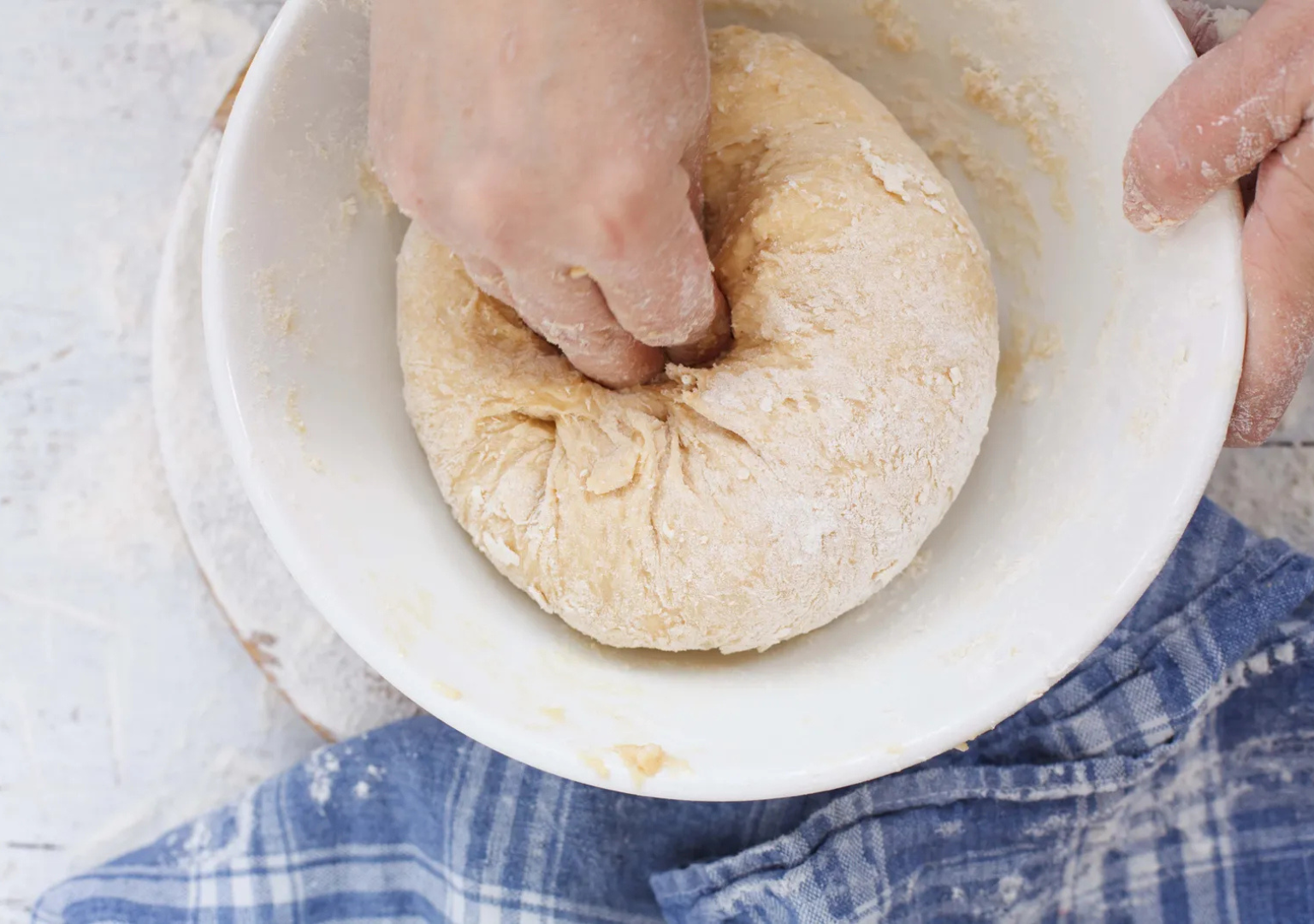
Baking is not only a mental craft — it is a physically demanding profession. Many beginners are surprised by how much strength, stamina, and physical resilience are required in a professional bakery.
If you want to grow confidently in this career, preparing your body is just as important as refining your recipes.
Let’s explore how to build the endurance needed to thrive in bakery work.
Why Physical Endurance Matters in Baking
In a professional bakery, you will often:
- Stand for 6–10 hours
- Lift heavy flour bags (10–25 kg / 22–55 lbs)
- Move trays in and out of ovens
- Work in warm environments
- Repeat shaping motions continuously
Fatigue affects:
- Precision
- Speed
- Focus
- Safety
Building endurance protects both your performance and your health.
1. Strengthen Your Core Muscles
Your core supports:
- Proper posture
- Lifting technique
- Stability during long shifts
Weak core muscles can lead to:
- Lower back pain
- Fatigue
- Poor posture
Simple exercises like planks, light resistance training, and controlled bodyweight movements help strengthen core stability.
Even 10–15 minutes of training a few times per week makes a difference.
2. Improve Leg and Foot Stamina
Standing for long hours places stress on your legs and feet.
To improve endurance:
- Walk regularly
- Stretch calves and hamstrings
- Strengthen leg muscles through light squats
- Wear supportive, non-slip footwear
Good shoes are not optional — they are essential equipment.
Investing in proper footwear prevents long-term discomfort.
3. Learn Safe Lifting Techniques
Flour bags and heavy trays require proper lifting form.
Always:
- Bend your knees
- Keep your back straight
- Engage your core
- Lift with your legs
Avoid twisting while carrying weight.
Safe lifting reduces injury risk and protects longevity in your career.
4. Stay Hydrated During Shifts
Bakery environments can be warm, especially near ovens.
Dehydration causes:
- Fatigue
- Reduced focus
- Headaches
- Muscle cramps
Drink water regularly — even if you don’t feel thirsty.
Hydration improves stamina significantly.
5. Build Gradual Endurance
If you are new to long shifts, build endurance progressively.
Start by:
- Practicing longer baking sessions at home
- Standing for extended periods
- Increasing activity gradually
The body adapts over time.
Avoid sudden extreme physical demands without preparation.
6. Stretch Before and After Work
Stretching reduces stiffness and prevents injury.
Focus on:
- Lower back
- Shoulders
- Wrists
- Legs
- Neck
Shaping dough repeatedly can strain wrists and forearms.
Gentle stretching improves flexibility and recovery.
7. Strengthen Your Hands and Wrists
Shaping, kneading, and lifting trays require hand strength.
To build grip strength:
- Practice hand-squeeze exercises
- Use light resistance bands
- Perform controlled wrist movements
Stronger wrists improve shaping control and reduce fatigue.
8. Prioritize Sleep and Recovery
Early shifts require disciplined sleep habits.
Lack of sleep leads to:
- Slower reflexes
- Poor focus
- Increased accident risk
- Lower endurance
Develop a consistent sleep schedule.
Recovery is part of performance.
9. Eat Balanced Meals
Energy levels depend on nutrition.
Choose balanced meals with:
- Complex carbohydrates
- Lean protein
- Healthy fats
- Adequate hydration
Avoid heavy, overly processed meals before shifts.
Stable energy supports consistent output.
10. Manage Heat Exposure
Working near ovens increases physical stress.
To reduce strain:
- Take short breaks if possible
- Step into cooler areas periodically
- Wear breathable clothing
Heat fatigue can affect concentration and safety.
Awareness prevents burnout.
11. Improve Mental Stamina
Physical endurance is closely connected to mental resilience.
During long shifts:
- Focus on one task at a time
- Maintain organized workflow
- Avoid rushing
- Breathe steadily
Calm concentration reduces perceived fatigue.
Mental discipline supports physical performance.
12. Recognize Early Signs of Overexertion
Pay attention to:
- Persistent back pain
- Wrist strain
- Knee discomfort
- Extreme fatigue
Address small issues early before they become serious injuries.
Long-term health protects your career.
13. Build Consistency, Not Intensity
Endurance grows from steady practice — not extreme training.
Regular moderate exercise is more effective than occasional intense workouts.
Consistency mirrors professional baking discipline.
Small habits create long-term strength.
14. Work Efficiently, Not Harder
As you gain experience, movements become more efficient.
Efficient bakers:
- Waste fewer motions
- Organize workspace smartly
- Move confidently
- Lift strategically
Efficiency reduces physical strain.
Skill improves stamina naturally.
15. Respect Your Body
Baking is a long-term profession.
To sustain it:
- Use proper posture
- Wear quality footwear
- Stretch consistently
- Hydrate regularly
- Rest when needed
Ignoring physical health shortens career longevity.
Signs Your Endurance Is Improving
You’ll notice progress when:
- Long shifts feel manageable
- You recover faster
- Shaping feels controlled
- You maintain focus throughout production
Strength builds gradually.
Final Thoughts: Strength Supports Craft
Becoming a professional baker requires more than technical skill.
It requires:
- Physical strength
- Mental discipline
- Daily consistency
- Respect for your body
Train steadily.
Rest properly.
Work efficiently.
Protect your posture.
When your body is prepared, your craft becomes smoother.
And when endurance supports your skill, you can focus fully on precision, fermentation, and quality — without being limited by fatigue.
Strengthen your body.
Refine your technique.
Build discipline.
That’s how you create a sustainable career in baking.