
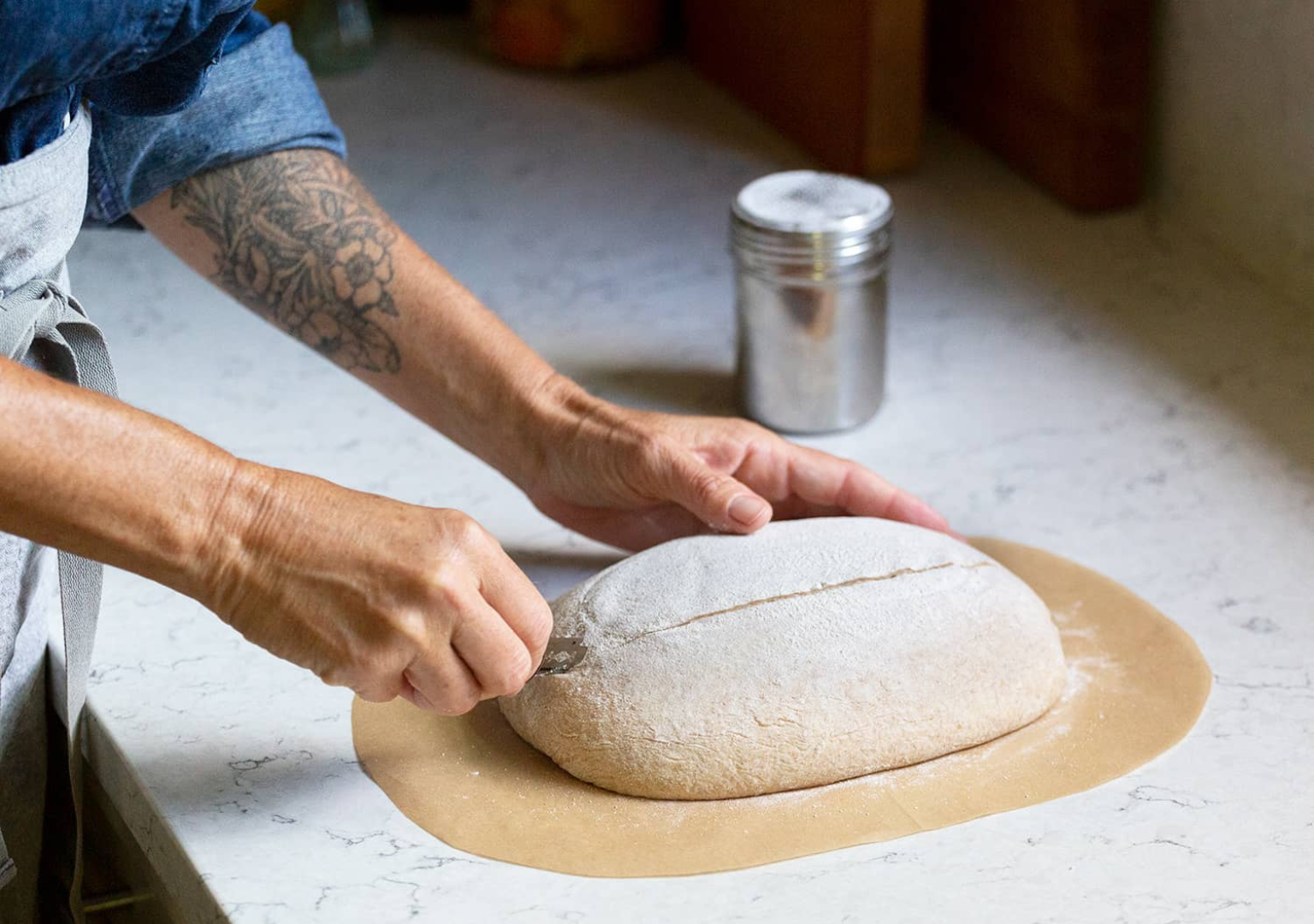
Many people are drawn to baking because of the comforting smell of fresh bread, the beauty of golden crusts, and the idea of turning simple ingredients into something meaningful. But there are realities about the profession that are rarely discussed openly.
If you dream of becoming a baker, understanding these truths early will help you prepare mentally and professionally.
Let’s talk honestly about what no one tells you when you’re starting out.
1. The Early Mornings Are Non-Negotiable
Baking is not a 9-to-5 job.
In many bakeries, shifts begin at:
- 2:00 AM
- 3:00 AM
- 4:00 AM
Your sleep schedule must adapt.
Social life may shift.
Discipline becomes part of daily life.
The earlier you accept this reality, the smoother your transition into the profession.
2. It’s Physically Demanding
Baking requires stamina.
You will:
- Stand for long hours
- Lift heavy flour bags
- Move trays in and out of hot ovens
- Work in warm environments
Your body needs conditioning.
Proper footwear, hydration, and sleep are essential.
Physical endurance is part of professional growth.
3. Repetition Builds Mastery
Professional baking involves repetition.
You may:
- Shape dozens of identical loaves
- Perform the same fermentation process daily
- Follow strict production formulas
Creativity comes later.
First, you build consistency.
Repetition is not boring — it’s how mastery develops.
4. Precision Matters More Than Passion
Passion inspires you.
Precision sustains you.
Baking requires:
- Accurate measurements
- Temperature control
- Strict timing
- Clean workflow
Even small mistakes can affect entire batches.
Professional discipline separates hobby from career.
5. Fermentation Is Not Fully Predictable
Dough responds to:
- Temperature
- Humidity
- Flour quality
- Yeast activity
Some days fermentation moves faster.
Other days it slows down.
Learning to “read” the dough is more important than following exact clock times.
Experience builds intuition.
6. Mistakes Will Happen
You will:
- Overproof dough
- Underbake loaves
- Tear surfaces while shaping
- Miscalculate hydration
Every baker makes mistakes.
The key is to analyze and adjust — not become discouraged.
Growth comes from correction.
7. Speed Comes With Time
In professional environments, speed matters.
At first, shaping may feel slow.
Over time:
- Movements become efficient
- Muscle memory develops
- Workflow improves
Do not rush your development.
Speed grows naturally with practice.
8. Baking Is Both Art and Science
Some aspects are technical:
- Hydration percentages
- Gluten development
- Oven management
Other aspects are intuitive:
- Dough feel
- Fermentation cues
- Shaping tension
Balancing science and intuition creates professional-level skill.
9. Profit Margins Can Be Tight
Bread ingredients are relatively inexpensive.
However, costs include:
- Utilities
- Labor
- Rent
- Equipment maintenance
Without proper pricing and planning, profits shrink quickly.
Financial awareness is essential for long-term sustainability.
10. Customer Expectations Are High
Customers expect:
- Consistent quality
- Beautiful presentation
- Reliable timing
- Freshness
One inconsistent batch can impact reputation.
Reliability builds trust.
Trust builds business.
11. Humility Accelerates Growth
In bakery environments, you will likely start with basic tasks.
You may:
- Clean equipment
- Scale ingredients
- Prepare dough under supervision
These steps build understanding.
Humility opens opportunities.
Arrogance closes them.
12. Passion Alone Is Not Enough
Many people love baking.
Fewer commit to:
- Early mornings
- Long shifts
- Repetition
- Constant improvement
The profession rewards discipline more than enthusiasm.
Commitment sustains success.
13. The Satisfaction Is Real
Despite the challenges, baking offers deep fulfillment.
There is pride in:
- Watching dough rise
- Hearing crust crackle while cooling
- Seeing customers enjoy your bread
- Improving your skill steadily
Few professions allow you to create something tangible every day.
That satisfaction is powerful.
14. Growth Takes Time
Professional skill does not develop in weeks.
It develops over:
- Months of repetition
- Years of refinement
- Continuous study
Patience is part of the process.
Small improvements accumulate into mastery.
15. The Craft Is Worth It
When you embrace:
- Discipline
- Precision
- Physical endurance
- Financial awareness
the profession becomes deeply rewarding.
You grow not only as a baker — but as a disciplined professional.
Final Thoughts: Enter With Clarity
Baking is beautiful.
It’s also demanding.
You will wake up early.
You will feel tired some days.
You will repeat tasks often.
You will learn from mistakes.
But you will also:
Create something meaningful.
Improve steadily.
Build skill with your hands.
Develop professional discipline.
If you understand the realities and commit fully, baking can become more than a job.
It becomes a craft.
And when you look back at your first loaves and compare them to your current work, you’ll see how far discipline and persistence can take you.
Go in prepared.
Stay consistent.
Respect the process.
That’s what no one tells you — and what truly builds a professional baker.