
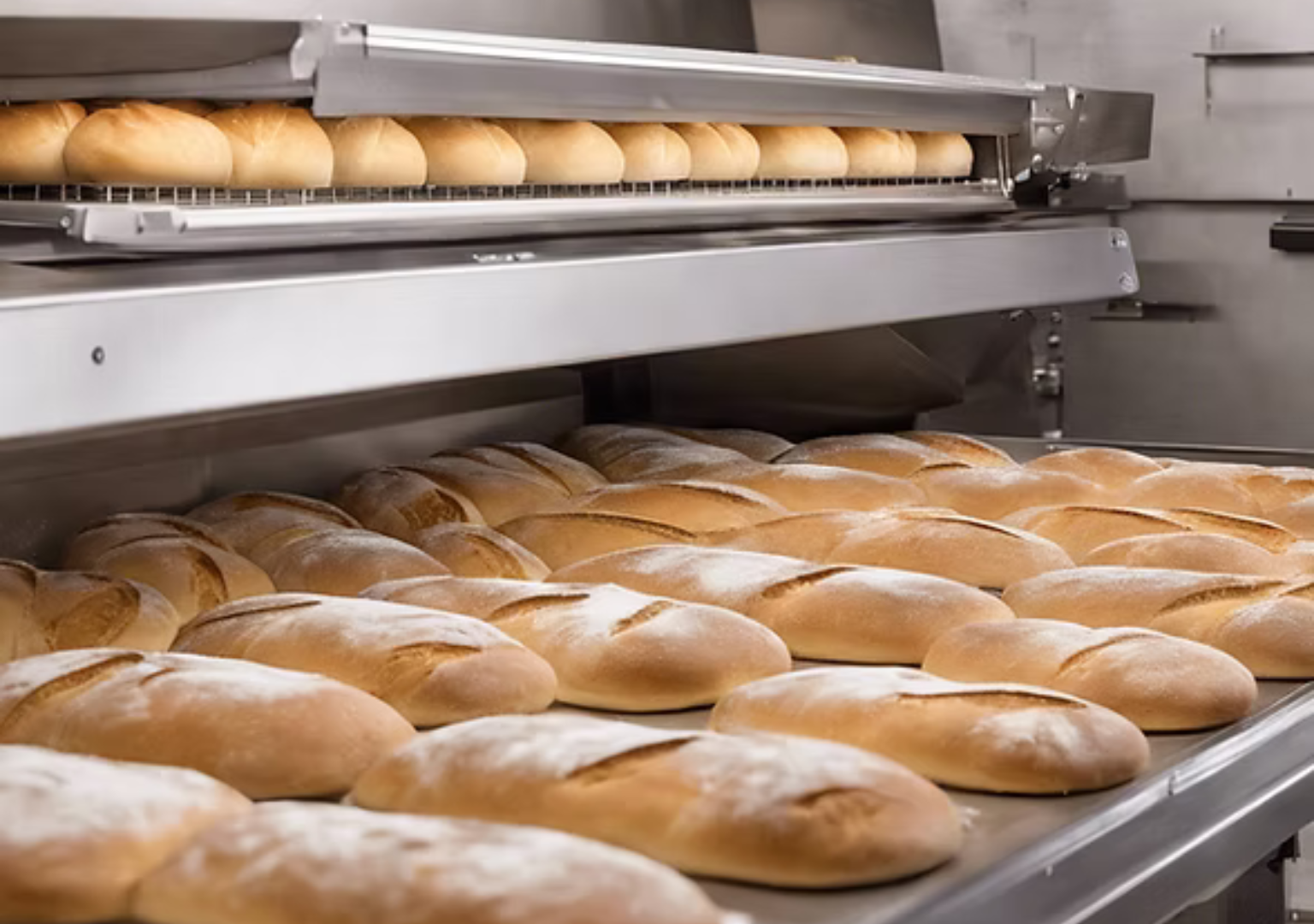
Time management is one of the most important skills a baker can develop. Bread is alive — fermentation doesn’t wait, ovens don’t pause, and customers expect punctuality.
If you don’t organize your production schedule carefully, stress quickly replaces creativity. But when time is managed well, baking becomes structured, predictable, and efficient.
Let’s explore how to organize your time in bread production like a professional.
Why Time Organization Is Crucial in Baking
Bread production involves multiple stages happening simultaneously:
- Mixing
- Bulk fermentation
- Stretch-and-fold cycles
- Shaping
- Final proof
- Baking
- Cooling
If you lose track of one stage, it affects the entire process.
Time discipline creates consistency.
Step 1: Understand Fermentation Windows
Fermentation is not random — it follows patterns influenced by:
- Temperature
- Hydration
- Yeast quantity
- Dough strength
Before planning your schedule, estimate:
- Bulk fermentation duration
- Final proof time
- Cold fermentation (if used)
Once you know average fermentation times, you can plan production realistically.
Step 2: Work Backward From Your Delivery Time
Professional bakers plan backward.
If bread must be ready at 8:00 AM, ask:
- How long does baking take?
- How long does cooling require?
- When must final proof finish?
- When must bulk fermentation start?
Reverse planning prevents last-minute rushing.
Step 3: Create a Simple Production Timeline
Write a timeline for each batch.
Example:
- 3:00 AM – Mix dough
- 3:20 AM – Begin bulk fermentation
- 4:00 AM – First fold
- 4:30 AM – Second fold
- 5:30 AM – Pre-shape
- 5:50 AM – Final shape
- 6:00 AM – Final proof
- 7:00 AM – Bake
Having a written schedule reduces mental overload.
Structure reduces stress.
Step 4: Use Timers Consistently
Professional bakers rely on timers.
Use timers for:
- Stretch-and-fold intervals
- Final proof checks
- Baking duration
- Steam release timing
Relying on memory increases mistakes.
Timers support consistency.
Step 5: Stagger Your Batches
Avoid mixing all dough at the same time.
Instead:
- Start second batch 20–30 minutes after the first
- Rotate fermentation cycles
- Load ovens in stages
Staggering prevents overload during shaping and baking.
Balanced flow improves efficiency.
Step 6: Prepare Ingredients in Advance
Before mixing:
- Weigh all ingredients
- Prepare tools
- Preheat oven
- Organize workspace
Preparation saves valuable minutes later.
Professional kitchens always begin with mise en place — everything in its place.
Step 7: Respect Cooling Time
Cooling is part of production.
Cutting bread too early:
- Damages crumb
- Affects texture
- Releases moisture prematurely
Plan enough cooling time before delivery or packaging.
Quality depends on patience.
Step 8: Limit Daily Production to Your Capacity
Overproduction creates chaos.
Be realistic about:
- How many loaves you can shape efficiently
- Oven capacity
- Physical stamina
- Available workspace
Controlled production improves consistency.
Growth should be gradual.
Step 9: Use Cold Fermentation Strategically
Cold proofing overnight can reduce morning stress.
Benefits:
- Flexible baking window
- Improved flavor
- Reduced early-morning pressure
Refrigerated dough gives you more control.
Strategic fermentation improves time management.
Step 10: Track and Refine Your Schedule
After each production day, evaluate:
- Where did delays happen?
- Did fermentation run too fast?
- Was oven timing efficient?
- Did tasks overlap too heavily?
Refine your timeline gradually.
Small improvements create smoother workflow.
Common Time Management Mistakes
Avoid:
- Mixing too many dough types simultaneously
- Ignoring room temperature changes
- Underestimating shaping time
- Skipping written schedules
- Waiting until the last minute to start
Disorganization increases stress.
Stress reduces precision.
Managing Stress in High-Volume Days
Busy days require calm discipline.
To stay controlled:
- Focus on one task at a time
- Keep workspace clean
- Communicate clearly with helpers
- Breathe and move deliberately
Panic leads to mistakes.
Calm structure builds efficiency.
The Relationship Between Time and Quality
Rushing often leads to:
- Underproofed dough
- Inconsistent shaping
- Burned crust
- Uneven crumb
Time discipline protects product quality.
Professional baking is structured, not chaotic.
Building a Professional Routine
Over time, your schedule becomes intuitive.
You’ll learn:
- How long your dough needs
- When fermentation peaks
- How quickly you can shape
- How your oven behaves
Routine builds confidence.
Confidence reduces stress.
Long-Term Benefits of Organized Production
Strong time management leads to:
- Consistent results
- Reduced waste
- Lower stress
- Higher productivity
- Professional credibility
Employers and customers value reliability.
Final Thoughts: Control the Clock, Control the Outcome
Bread follows natural timing.
You cannot rush fermentation — but you can plan around it.
Organize carefully.
Write schedules.
Stagger batches.
Respect cooling time.
Evaluate each production day.
When you control your timeline, you control your results.
And when your production runs smoothly, baking becomes less stressful — and more professional.
Discipline with time transforms chaos into structure.
And structure builds mastery.