
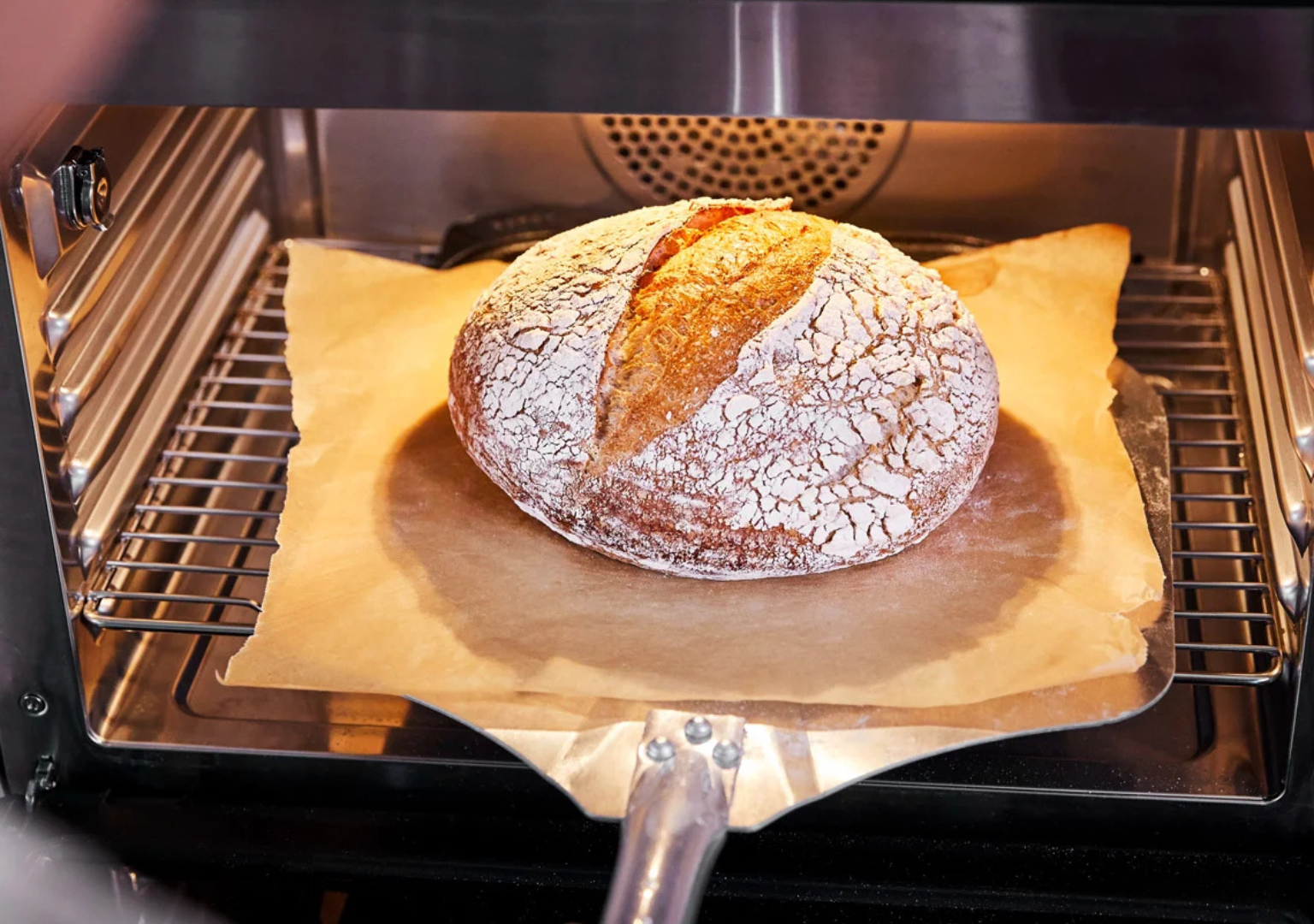
Texture and flavor are the two elements that transform bread from ordinary to unforgettable. Many beginner bakers focus on appearance, but professionals understand that what truly matters is how the bread feels when you bite into it and how it tastes.
If you want to elevate your baking to a higher level, you must learn how to refine both structure and flavor intentionally.
Let’s break down the practical ways to improve bread texture and flavor with professional precision.
Understanding Texture: What Makes Bread Feel Right?
Bread texture depends on several factors:
- Hydration level
- Gluten development
- Fermentation quality
- Shaping technique
- Baking environment
Texture can be:
- Soft and tender
- Chewy and elastic
- Light and airy
- Dense and compact
Your goal determines your adjustments.
Understanding structure allows you to control results.
1. Improve Gluten Development
Gluten forms when flour proteins combine with water and are agitated.
To improve structure:
- Knead properly
- Use stretch-and-fold techniques
- Allow sufficient rest periods
- Avoid overmixing
Underdeveloped gluten leads to dense crumb.
Overdeveloped gluten can make bread tough.
Balanced development creates elasticity and proper gas retention.
2. Adjust Hydration Carefully
Hydration dramatically affects crumb structure.
Higher hydration:
- Produces open, airy crumb
- Creates lighter texture
- Requires advanced handling
Lower hydration:
- Produces tighter crumb
- Easier shaping
- More uniform structure
If your bread feels too dense, try increasing hydration slightly (2–3% at a time).
Small changes create noticeable results.
3. Master Fermentation Timing
Flavor and texture both depend heavily on fermentation.
Proper fermentation:
- Builds gas retention
- Develops organic acids
- Enhances aroma
- Improves crumb elasticity
Under-fermented dough results in:
- Tight crumb
- Weak flavor
- Poor oven spring
Over-fermented dough results in:
- Weak structure
- Sour imbalance
- Collapse during baking
Observation is more important than strict timing.
Learn to read your dough.
4. Use Longer Fermentation for Better Flavor
Time enhances flavor naturally.
You can improve flavor by:
- Reducing yeast quantity
- Extending bulk fermentation
- Using cold proofing overnight
- Incorporating sourdough starter
Long fermentation allows enzymes and bacteria to develop deeper flavor complexity.
Patience improves taste.
5. Incorporate Preferments
Preferments enhance both texture and flavor.
Examples include:
- Poolish
- Biga
- Levain
Preferments:
- Strengthen gluten
- Improve crumb softness
- Add depth of flavor
- Increase shelf life
Even small preferment percentages can transform results.
6. Improve Shaping Technique
Proper shaping builds internal structure.
Tight surface tension:
- Supports oven spring
- Promotes even crumb
- Improves chew
Loose shaping creates irregular air pockets and weak rise.
Practice building tension without tearing the surface.
7. Control Oven Environment
Oven management influences crust and texture.
For better results:
- Fully preheat oven
- Use baking stone or steel
- Add steam during first 10–15 minutes
- Avoid opening oven too early
Steam delays crust formation, allowing maximum expansion.
Good oven spring improves crumb texture.
8. Evaluate Crumb Structure
After baking, slice your bread and analyze:
- Are air pockets evenly distributed?
- Is crumb gummy or dry?
- Is texture elastic or crumbly?
- Does it feel light or heavy?
Gummy texture often means underbaking.
Dry crumb may indicate overbaking or low hydration.
Evaluation leads to improvement.
9. Improve Ingredient Quality
Flavor begins with ingredients.
Use:
- High-quality flour
- Fresh yeast
- Natural sea salt
- Clean water
Whole grain flour adds:
- Nutty flavor
- Rich aroma
- Nutritional depth
Ingredient quality sets the foundation.
10. Balance Salt Properly
Salt enhances flavor and strengthens gluten.
Too little salt:
- Weak flavor
- Loose structure
Too much salt:
- Slows fermentation
- Overpowers taste
Typical salt percentage ranges between 1.8%–2.2% of flour weight.
Precise measurement ensures balance.
11. Avoid Cutting Bread Too Early
Cutting bread while hot releases internal steam prematurely.
This can:
- Make crumb gummy
- Reduce flavor development
- Affect final texture
Allow bread to cool completely before slicing.
Patience preserves structure.
12. Experiment With Flour Blends
Blending flours improves flavor complexity.
Try:
- 80% white + 20% whole wheat
- Adding small percentage of rye
- Incorporating spelt
Whole grain flours enhance depth but require slightly higher hydration.
Balanced blending improves both taste and texture.
13. Maintain Consistency
Texture improvement requires repetition.
Bake the same formula multiple times.
Adjust only one variable at a time.
Document changes carefully.
Consistency builds mastery.
Common Mistakes That Affect Texture and Flavor
Avoid:
- Rushing fermentation
- Overhandling dough
- Ignoring dough temperature
- Overproofing
- Underbaking
Small mistakes can significantly impact results.
Attention to detail matters.
Signs You’re Improving
You’ll notice improvement when:
- Crumb becomes more open and balanced
- Flavor deepens naturally
- Oven spring improves
- Texture feels elastic and light
- Crust becomes crisp and caramelized
Growth happens gradually.
Each bake teaches something.
Final Thoughts: Refinement Through Discipline
Improving bread texture and flavor is not about dramatic changes.
It’s about refinement.
Better hydration control.
More precise fermentation.
Stronger shaping.
Better oven management.
Higher ingredient quality.
Professional results come from small improvements applied consistently.
If you focus on texture and flavor with discipline, your bread will evolve steadily.
And when someone takes a bite and notices both structure and depth of taste, you’ll know your refinement is working.
Keep practicing.
Keep analyzing.
Keep refining.
Great bread is built from careful attention — and patience.