
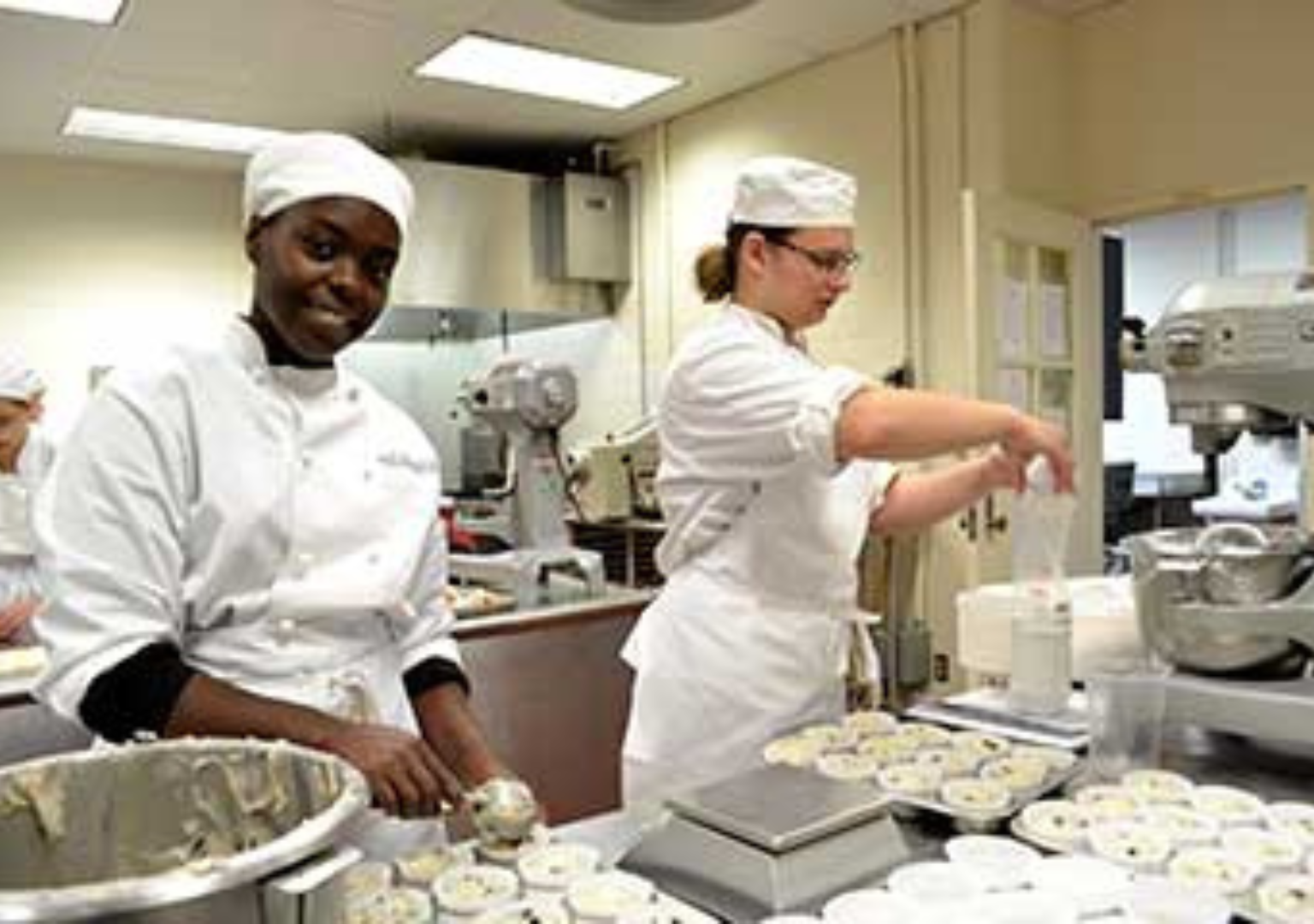
If you dream of building a serious career in baking, you may be asking: What exactly should I study? Is talent enough? Are recipes enough? Or do you need formal education?
The truth is that professional baking requires both technical knowledge and practical skill. Studying the right subjects will accelerate your growth, improve consistency, and prepare you for real-world bakery environments.
Let’s break down the essential areas of study that can transform you from an aspiring baker into a confident professional.
1. Baking Science and Ingredient Function
Understanding why ingredients behave the way they do is foundational.
You should study:
- Gluten formation and protein structure
- Hydration percentages
- Yeast activity and fermentation
- Sugar’s impact on fermentation
- Fat’s role in tenderizing dough
- Salt’s influence on structure
Baking is chemistry.
When you understand the science, you can troubleshoot problems instead of guessing.
2. Fermentation and Yeast Management
Fermentation is the heart of professional bread baking.
Study:
- Bulk fermentation timing
- Final proof indicators
- Temperature control
- Cold fermentation methods
- Sourdough starter maintenance
- Wild yeast behavior
Learning to control fermentation separates hobbyists from skilled bakers.
Time and temperature are powerful tools.
3. Dough Handling and Gluten Development
Technical dough handling is critical.
You should practice:
- Hand kneading techniques
- Stretch-and-fold methods
- Pre-shaping
- Final shaping (boule, bâtard, rolls)
- High-hydration dough control
Understanding dough texture and elasticity builds professional intuition.
Skill in handling dough increases product quality dramatically.
4. Artisan Bread Techniques
If you’re interested in artisan baking, study:
- Scoring patterns
- Steam baking methods
- Baking stone or deck oven use
- Crust development
- Open crumb structure
Artisan techniques require attention to detail and controlled fermentation.
Precision improves both appearance and flavor.
5. Enriched and Sweet Dough
To expand your versatility, learn about:
- Brioche
- Cinnamon rolls
- Sweet buns
- Filled pastries
- Egg-based dough
Study how sugar, butter, and eggs affect gluten development.
Enriched dough behaves differently from lean dough.
Versatility increases career opportunities.
6. Food Safety and Hygiene
Professional baking requires strict hygiene standards.
You should understand:
- Cross-contamination prevention
- Proper ingredient storage
- Safe temperature control
- Cleaning protocols
- Food handling regulations
Food safety certification can strengthen your resume and credibility.
Professional kitchens demand strict discipline.
7. Bakery Equipment and Production Systems
Study how commercial bakeries operate.
Learn about:
- Spiral mixers
- Deck ovens
- Convection ovens
- Proofing cabinets
- Production scheduling
Understanding workflow efficiency prepares you for real-world environments.
Speed and consistency are critical in professional settings.
8. Cost Control and Basic Business Knowledge
If you plan to open your own bakery someday, business study is essential.
Learn:
- Ingredient cost calculation
- Pricing strategies
- Waste management
- Inventory control
- Profit margins
Even as an employee, understanding costs increases your value.
Baking skill plus business awareness creates stronger career options.
9. Time Management and Workflow Planning
Professional baking requires organization.
Study how to:
- Plan fermentation timing
- Manage multiple dough batches
- Coordinate baking schedules
- Optimize early morning production
Time discipline ensures consistent results.
Professional bakers don’t rely on improvisation — they rely on planning.
10. Product Evaluation and Analysis
Learning to analyze your own work is crucial.
After baking, evaluate:
- Crumb structure
- Crust thickness
- Fermentation quality
- Flavor complexity
- Moisture balance
Critical analysis speeds improvement.
Professional growth depends on honest evaluation.
11. Continuous Learning Through Books and Courses
You can study through:
- Culinary schools
- Vocational baking programs
- Online baking courses
- Professional baking textbooks
- Workshops with experienced bakers
Formal education can accelerate development, but disciplined self-study can also be highly effective.
Consistency matters more than the format.
12. Developing Soft Skills
Professional baking also requires non-technical skills.
Study and develop:
- Communication
- Teamwork
- Stress management
- Professional behavior
- Customer service
These skills influence promotions and leadership opportunities.
Skill alone isn’t enough — professionalism matters.
Creating a Personal Study Plan
If you want structured growth, follow this sequence:
- Master basic bread science
- Practice lean dough
- Study fermentation deeply
- Learn shaping techniques
- Introduce enriched dough
- Explore sourdough
- Study food safety
- Learn cost control basics
This progression builds skill logically and sustainably.
Self-Study vs. Formal Education
You don’t necessarily need culinary school to succeed.
However, formal programs offer:
- Structured curriculum
- Hands-on guidance
- Industry connections
- Access to commercial equipment
If formal education isn’t possible, disciplined self-study combined with bakery work experience can be equally powerful.
The Importance of Practice
Studying theory without practice limits growth.
Apply what you learn immediately.
Bake frequently.
Adjust variables.
Record results.
Analyze outcomes.
Practical application transforms knowledge into skill.
Avoiding Common Study Mistakes
Avoid:
- Jumping to advanced techniques too quickly
- Ignoring basic fermentation principles
- Skipping food safety knowledge
- Focusing only on recipes without understanding structure
Mastery requires depth, not speed.
Final Thoughts: Study With Purpose
To become a professional baker, study both science and craft.
Understand ingredients.
Master fermentation.
Practice shaping.
Learn equipment.
Study business fundamentals.
Education builds confidence.
When knowledge and practice combine, skill grows steadily.
Baking is simple in ingredients — but complex in mastery.
The more intentionally you study, the faster you develop.
And with consistent effort, your education becomes the foundation of a long, rewarding career in baking.
Keep studying.
Keep practicing.
Keep refining.
That’s how you turn passion into profession.