
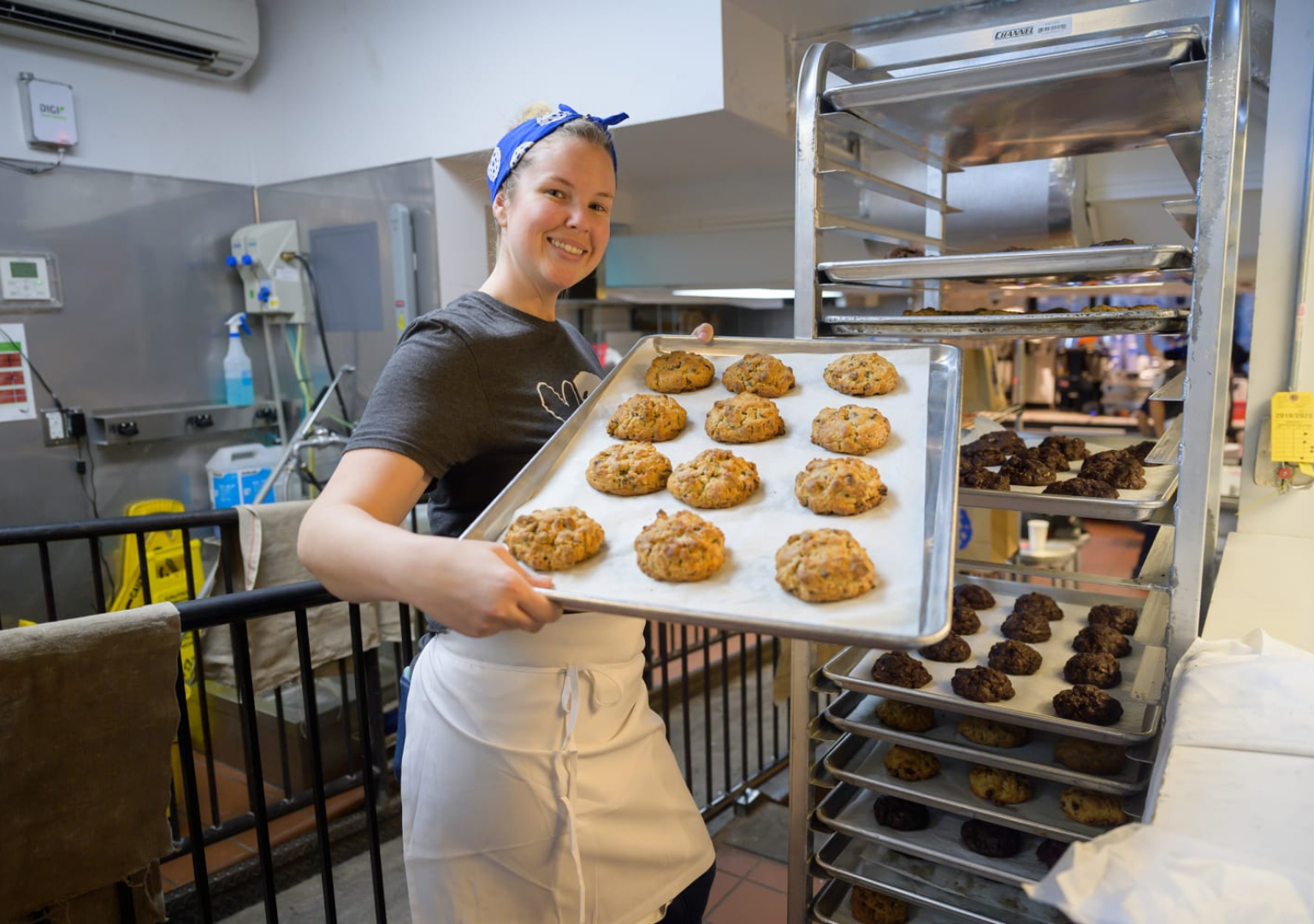
Many people believe baking success depends only on talent. In reality, long-term growth in this profession depends far more on discipline and professionalism than on natural ability.
The difference between someone who bakes occasionally and someone who builds a career in baking lies in daily habits, consistency, responsibility, and mindset.
If you want to transform your passion into a serious profession, this guide will help you develop the discipline required to grow sustainably.
Why Discipline Matters More Than Talent
Talent may help in the beginning. Discipline builds mastery.
Professional bakers:
- Follow precise measurements
- Respect fermentation time
- Maintain strict hygiene
- Arrive early consistently
- Repeat processes with accuracy
Baking is a craft built on repetition.
Without discipline, results become inconsistent.
Consistency is what separates hobby from profession.
Establish a Structured Routine
Structure strengthens reliability.
Whether baking at home or in a commercial kitchen, create a routine:
- Prepare ingredients before starting
- Preheat ovens properly
- Set timers for fermentation
- Clean as you work
- Document results afterward
Routine reduces errors.
Professional kitchens rely heavily on structured workflow.
Respect Time Management
In baking, timing controls everything.
You must manage:
- Bulk fermentation
- Bench rest
- Final proof
- Oven schedules
- Cooling time
Poor time management leads to rushed dough or missed fermentation windows.
Using timers and written schedules improves precision.
Time discipline directly impacts product quality.
Maintain Cleanliness Standards
Professionalism is visible in hygiene.
Maintain:
- Clean work surfaces
- Organized ingredient storage
- Proper handwashing habits
- Sanitized tools
Food safety builds trust.
Clean habits reflect seriousness.
In professional environments, hygiene is non-negotiable.
Develop Physical Discipline
Baking demands physical endurance.
Professional bakers:
- Wake up early
- Stand for long hours
- Lift heavy ingredients
- Work in warm environments
Prepare by:
- Improving sleep habits
- Wearing proper footwear
- Staying hydrated
- Maintaining physical stamina
Physical discipline supports career longevity.
Practice Precision Daily
Precision should become automatic.
Always:
- Measure ingredients by weight
- Use thermometers when needed
- Follow recipe ratios carefully
- Adjust one variable at a time
Guesswork leads to inconsistency.
Professional bakers respect measurements.
Control Emotional Reactions
Mistakes happen.
Professionalism means responding calmly.
When something goes wrong:
- Analyze the cause
- Adjust method
- Avoid frustration
- Learn from the outcome
Emotional control strengthens growth.
Stress management is part of the profession.
Commit to Continuous Learning
Disciplined bakers never stop improving.
They:
- Study fermentation science
- Refine shaping techniques
- Experiment carefully
- Learn from experienced professionals
Growth requires ongoing education.
Complacency limits progress.
Build Accountability
Hold yourself accountable for results.
Ask:
- Was fermentation correct?
- Did I rush shaping?
- Was oven preheated fully?
- Did I follow hydration precisely?
Honest self-evaluation accelerates improvement.
Professional growth requires self-awareness.
Avoid Shortcut Mentality
Shortcuts may save time — but they often sacrifice quality.
Examples of harmful shortcuts:
- Increasing yeast to speed fermentation
- Skipping bench rest
- Underheating ovens
- Ignoring cooling time
Quality baking requires patience.
Discipline protects standards.
Show Professional Behavior in the Workplace
If working in a bakery, professionalism includes:
- Arriving on time
- Communicating clearly
- Accepting feedback
- Supporting team members
- Staying focused during shifts
Work ethic builds reputation.
Reputation builds opportunity.
Develop Mental Toughness
Early mornings, physical fatigue, and production pressure can feel overwhelming.
Mental resilience allows you to:
- Stay consistent
- Handle high demand
- Avoid burnout
- Maintain focus
Discipline supports mental strength.
Set Clear Professional Goals
Discipline improves when goals are defined.
Ask yourself:
- Do I want to become head baker?
- Do I plan to open my own bakery?
- Do I want to specialize in artisan bread?
Clear direction increases motivation.
Goals guide daily effort.
Track Your Progress
Keep records of:
- Recipes
- Hydration levels
- Fermentation timing
- Improvements over time
Tracking builds awareness of growth.
It also reveals patterns that need adjustment.
Professional bakers analyze their performance regularly.
Balance Passion With Responsibility
Passion inspires you.
Discipline sustains you.
You may feel motivated one day and tired the next.
Discipline ensures you perform consistently regardless of mood.
Professionalism means showing up even when energy is low.
Long-Term Benefits of Discipline
Over time, disciplined habits lead to:
- Consistent product quality
- Faster skill improvement
- Better job opportunities
- Stronger reputation
- Increased confidence
Consistency compounds results.
Small disciplined actions accumulate into mastery.
Avoid Common Professional Pitfalls
Watch out for:
- Overconfidence
- Carelessness with measurements
- Ignoring hygiene
- Inconsistent scheduling
- Lack of focus
Professional growth requires humility and awareness.
Turning Daily Habits Into Career Strength
Discipline is not dramatic.
It’s:
- Measuring precisely every time
- Respecting fermentation
- Cleaning thoroughly
- Arriving early
- Practicing consistently
These habits build strong foundations.
Final Thoughts: Discipline Builds Mastery
Becoming a professional baker is not about occasional excellence.
It’s about daily consistency.
Respect time.
Respect ingredients.
Respect hygiene.
Respect the process.
When discipline becomes part of your identity, improvement becomes automatic.
Skill grows steadily.
Confidence strengthens.
Reputation builds.
And over time, you’ll realize something powerful:
Professionalism isn’t something you achieve once.
It’s something you practice every day.
Keep showing up.
Keep refining.
Keep respecting the craft.
That’s how a baker becomes a professional.