
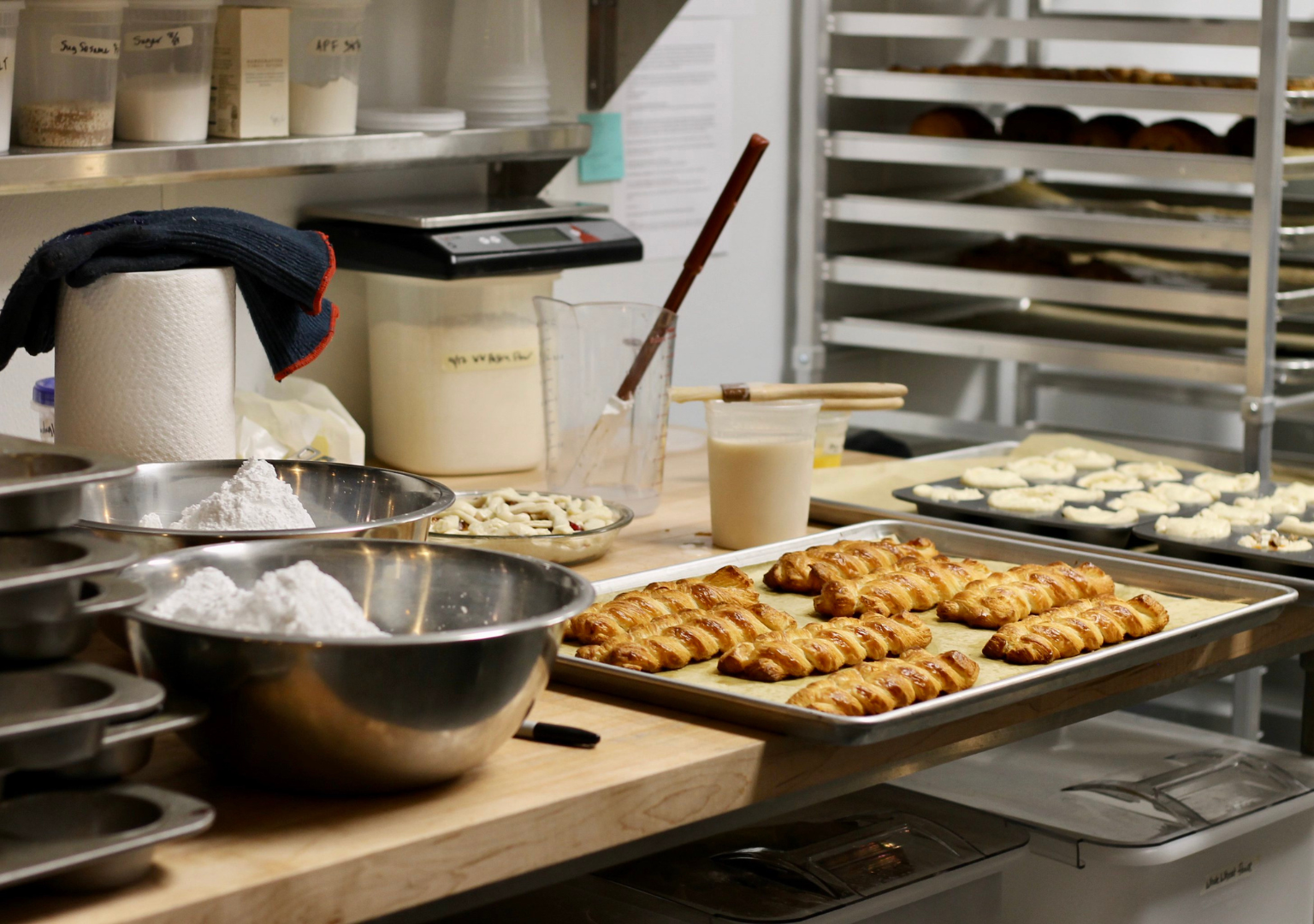
Getting your first job in a bakery can feel intimidating — especially if you don’t have formal experience. But the baking industry values dedication, discipline, and a willingness to learn just as much as technical mastery.
If you truly want to enter the profession, your first opportunity is closer than you think. You just need the right strategy.
This guide will walk you through practical, realistic steps to help you secure your first bakery job and start building your career.
Step 1: Build Basic Skills Before Applying
Even without professional experience, you should develop foundational knowledge at home.
Practice:
- Simple white bread
- Dinner rolls
- Basic artisan loaves
- Enriched dough like brioche
Focus on:
- Accurate measurements
- Understanding fermentation
- Proper shaping
- Clean workflow
When you walk into a bakery with basic hands-on experience, you show initiative.
That matters.
Step 2: Understand Entry-Level Positions
Your first role will likely not be “Head Baker.”
Common entry-level roles include:
- Bakery assistant
- Prep assistant
- Dough handler
- Packaging staff
- Dishwasher
These positions allow you to observe workflow, equipment, and production timing.
Every professional baker started somewhere.
Starting small is normal — and strategic.
Step 3: Prepare a Simple Professional Resume
Your resume doesn’t need to be long.
Include:
- Any food-related experience
- Customer service roles
- Physical labor experience
- Food safety certifications
- Baking practice or courses
Even if you only practiced at home, mention it honestly.
Dedication stands out.
Step 4: Create a Small Portfolio
If possible, bring proof of your work.
You can prepare:
- Printed photos of your bread
- A digital folder on your phone
- A short PDF portfolio
Show:
- Crumb structure
- Shaping quality
- Consistency across bakes
This demonstrates seriousness and passion.
Many applicants don’t take this extra step — and it makes a difference.
Step 5: Visit Bakeries in Person
Online applications are helpful, but in-person visits can be powerful.
When visiting:
- Dress neatly
- Bring a printed resume
- Be polite and respectful
- Ask if they’re accepting assistants
Timing matters — avoid busy morning rush hours.
Late morning or early afternoon may be better for speaking with management.
Personal interaction builds stronger impressions.
Step 6: Show Willingness to Start Small
Bakery owners value humility.
You might say:
“I’m willing to start at any level and learn from the team.”
This shows maturity and professionalism.
Many employers prefer training someone motivated over hiring someone overconfident.
Step 7: Be Ready for Early Hours
Most bakeries operate early — sometimes extremely early.
Be prepared to:
- Wake up at 3:00 or 4:00 AM
- Adjust your sleep schedule
- Maintain physical stamina
Showing readiness for early shifts increases your chances significantly.
Reliability is critical in baking.
Step 8: Obtain Basic Food Safety Knowledge
If possible, complete a food safety certification.
This shows:
- Professional responsibility
- Understanding of hygiene
- Commitment to industry standards
Even a basic certification strengthens your application.
Step 9: Accept Trial Shifts
Some bakeries may offer a trial day.
During a trial:
- Arrive early
- Follow instructions carefully
- Ask questions respectfully
- Maintain cleanliness
- Stay attentive
Work ethic is often more important than perfection.
Attitude determines long-term growth.
Step 10: Learn Quickly and Observe
Once hired, focus on learning.
Observe:
- Dough consistency
- Fermentation timing
- Shaping speed
- Oven management
- Team coordination
Listen carefully.
Avoid pretending you know more than you do.
Humility accelerates growth.
Step 11: Develop Physical Endurance
Bakery work is physically demanding.
Prepare by:
- Wearing supportive shoes
- Staying hydrated
- Practicing good posture
- Building stamina gradually
Endurance improves with consistency.
Step 12: Be Consistent and Reliable
Professional kitchens value reliability above all.
Show up on time.
Maintain focus.
Avoid unnecessary complaints.
Stay organized.
Consistency builds trust.
Trust leads to promotions.
Step 13: Continue Learning Outside Work
Your first job is just the beginning.
Outside work hours:
- Practice at home
- Study fermentation deeply
- Experiment carefully
- Read professional baking books
Growth outside the bakery accelerates advancement inside it.
Step 14: Avoid Common Mistakes
When starting out, avoid:
- Arrogance
- Carelessness with hygiene
- Complaining about early hours
- Ignoring instructions
- Rushing fermentation
Professional discipline builds reputation.
What Bakery Owners Look For
Employers often value:
- Reliability
- Cleanliness
- Teamwork
- Humility
- Speed improvement
- Attention to detail
Skill can be taught.
Attitude cannot.
How Long Until Growth Happens?
Career progression depends on:
- Your consistency
- Skill improvement
- Communication
- Work ethic
Many assistants move into junior baker roles within 6–18 months if they show dedication.
Progress is earned daily.
Building Long-Term Confidence
Your first job might feel overwhelming.
But remember:
Every expert baker once:
- Was nervous
- Made mistakes
- Learned slowly
- Built skill gradually
Confidence grows with repetition.
Final Thoughts: Take Action
The biggest barrier to getting your first bakery job is hesitation.
You don’t need to be perfect.
You need to be prepared, disciplined, and proactive.
Start practicing.
Prepare your resume.
Visit bakeries.
Show humility.
Work hard.
The baking industry rewards effort.
Your first opportunity may not be glamorous — but it can be life-changing.
Every professional career begins with a first shift.
Be ready for yours.