
Many people are attracted to baking because of the comforting smell of fresh bread and the beauty of golden crusts cooling on racks. But what does a typical day actually look like for a professional baker?
If you dream of entering this profession, understanding the daily routine helps you prepare mentally, physically, and professionally.
Baking is rewarding — but it requires discipline, stamina, and consistency.
Let’s walk through a realistic day in the life of a baker.
The Early Start: Before Sunrise
One of the first realities of being a baker is the early schedule.
Many bakers begin their shifts between:
- 2:00 AM
- 3:00 AM
- 4:00 AM
Why so early?
Because fresh bread needs time for:
- Mixing
- Fermentation
- Shaping
- Proofing
- Baking
- Cooling
Customers expect warm bread in the morning. That means preparation starts long before sunrise.
Adapting your sleep routine becomes essential.
Preparing the Workspace
The day usually begins with preparation.
Tasks may include:
- Weighing ingredients
- Checking inventory
- Preparing preferments or starters
- Preheating ovens
- Setting up workstations
Professional kitchens operate efficiently. Organization at the beginning of the shift sets the tone for the entire day.
Clean and structured workspaces prevent mistakes.
Mixing and Bulk Fermentation
After setup, dough mixing begins.
Depending on production size, bakers may:
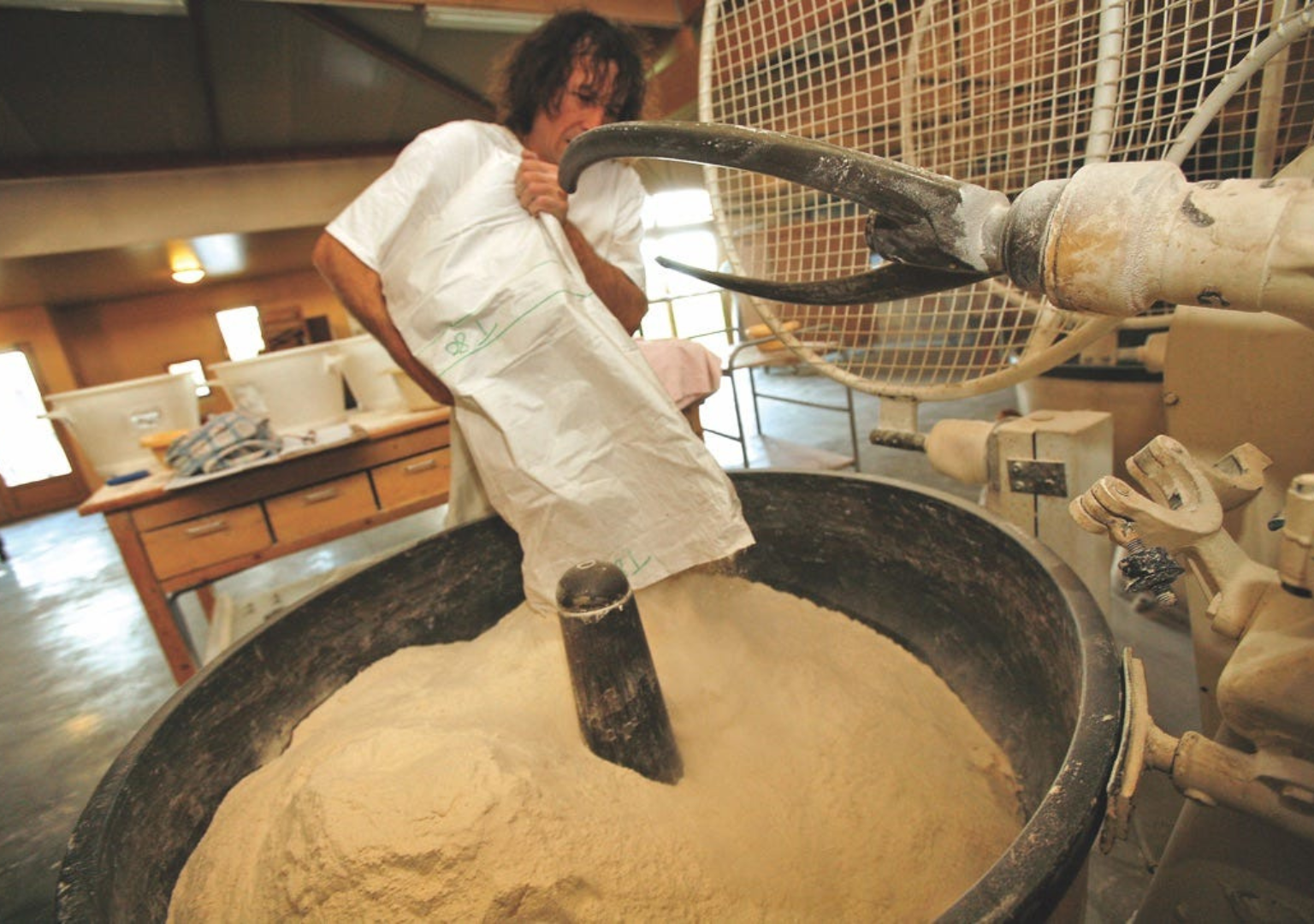
- Mix large batches using industrial mixers
- Prepare different dough types simultaneously
- Adjust hydration based on weather conditions
Once mixed, dough enters bulk fermentation.
During this phase, bakers monitor:
- Dough temperature
- Elasticity
- Gas development
- Structure formation
Some recipes require stretch-and-fold techniques to strengthen gluten.
Attention during this stage ensures proper texture and flavor.
Shaping and Proofing
After bulk fermentation, dough is divided and shaped.
Shaping requires precision and speed.
Tasks include:
- Dividing dough evenly
- Pre-shaping
- Resting
- Final shaping
- Placing into proofing baskets or trays
Proper shaping builds surface tension and supports oven spring.
Once shaped, dough enters final proofing.
Timing is critical. Underproofed or overproofed dough affects final quality.
Baking: The Most Intense Phase
When ovens are fully heated, baking begins.
This stage requires:
- Monitoring oven temperature
- Managing steam injection (if available)
- Rotating trays for even baking
- Checking crust color
Professional bakers often handle multiple ovens at once.
Precision matters.
Even small variations in baking time can impact crust development and crumb texture.
Cooling and Quality Control
Fresh bread must cool properly before slicing or packaging.
During cooling, bakers:
- Inspect crust quality
- Analyze crumb structure
- Check for uniformity
- Ensure consistent color
Quality control ensures customers receive reliable products every day.
Consistency builds trust and reputation.
Mid-Morning Tasks
After the main baking cycle, additional responsibilities often include:
- Cleaning equipment
- Preparing dough for the next day
- Feeding sourdough starters
- Managing inventory
- Packaging products
In smaller bakeries, bakers may also interact with customers.
In larger production facilities, roles are more specialized.
Physical Demands Throughout the Day
A baker’s work is physically demanding.
Throughout the shift, bakers:
- Stand for long hours
- Lift heavy flour bags
- Move trays in and out of ovens
- Work in warm environments
Proper footwear and hydration are essential.
Physical endurance improves over time.
Afternoon Preparation for the Next Shift
Many bakeries prepare certain components ahead of time.
This may include:
- Mixing preferments
- Measuring ingredients
- Preparing fillings
- Planning production quantities
Planning reduces stress for the next early morning shift.
Preparation is a professional habit.
Emotional and Mental Focus
Baking requires concentration.
Small mistakes can lead to:
- Wasted ingredients
- Missed timing
- Inconsistent products
Maintaining focus while managing multiple tasks is a core professional skill.
The environment can be fast-paced, especially during busy seasons or holidays.
Staying calm under pressure is essential.
Teamwork in the Bakery
Most professional bakeries rely on teamwork.
Roles may include:
- Head baker
- Line baker
- Pastry specialist
- Prep assistant
- Packaging staff
Clear communication ensures smooth production.
Team coordination is just as important as individual skill.
The Rewards of the Profession
Despite the early hours and physical demands, baking offers deep satisfaction.
The rewards include:
- Creating something tangible
- Seeing customers enjoy your work
- Developing craftsmanship
- Mastering fermentation
- Building consistency
There is a unique pride in producing bread from simple ingredients.
Flour, water, salt, and yeast become something extraordinary.
Work-Life Balance Considerations
Because of early schedules, many bakers finish work earlier in the day.
This can allow:
- Afternoon personal time
- Family time
- Rest
- Continued education
However, sleep discipline is necessary.
Late nights are difficult when waking at 2:00 AM.
Growth Over Time
As bakers gain experience, their daily responsibilities may expand to include:
- Recipe development
- Production management
- Training new staff
- Quality supervision
- Inventory control
Experience brings leadership opportunities.
Is This Lifestyle Right for You?
Before choosing this profession, ask yourself:
- Am I comfortable waking up early?
- Can I handle physical work?
- Do I enjoy repetition with precision?
- Can I stay focused under pressure?
If the answer is yes, baking can be a deeply fulfilling career.
From Routine to Mastery
A day in the life of a baker may seem repetitive — but repetition builds mastery.
Each day improves:
- Speed
- Fermentation control
- Shaping precision
- Oven management
- Workflow efficiency
Professional growth happens gradually.
Final Thoughts: The Rhythm of the Oven
Being a baker is not glamorous in the traditional sense.
It’s early mornings.
Warm kitchens.
Flour-covered aprons.
Careful timing.
Quiet concentration.
But it’s also:
Pride in craftsmanship.
The smell of fresh bread.
Customer satisfaction.
Daily skill improvement.
If you are willing to embrace discipline, repetition, and patience, the rhythm of the oven becomes part of your life.
And for many bakers, that rhythm is deeply rewarding.
Every sunrise in the bakery is a new opportunity to create something meaningful.
And that’s what makes the profession special.