
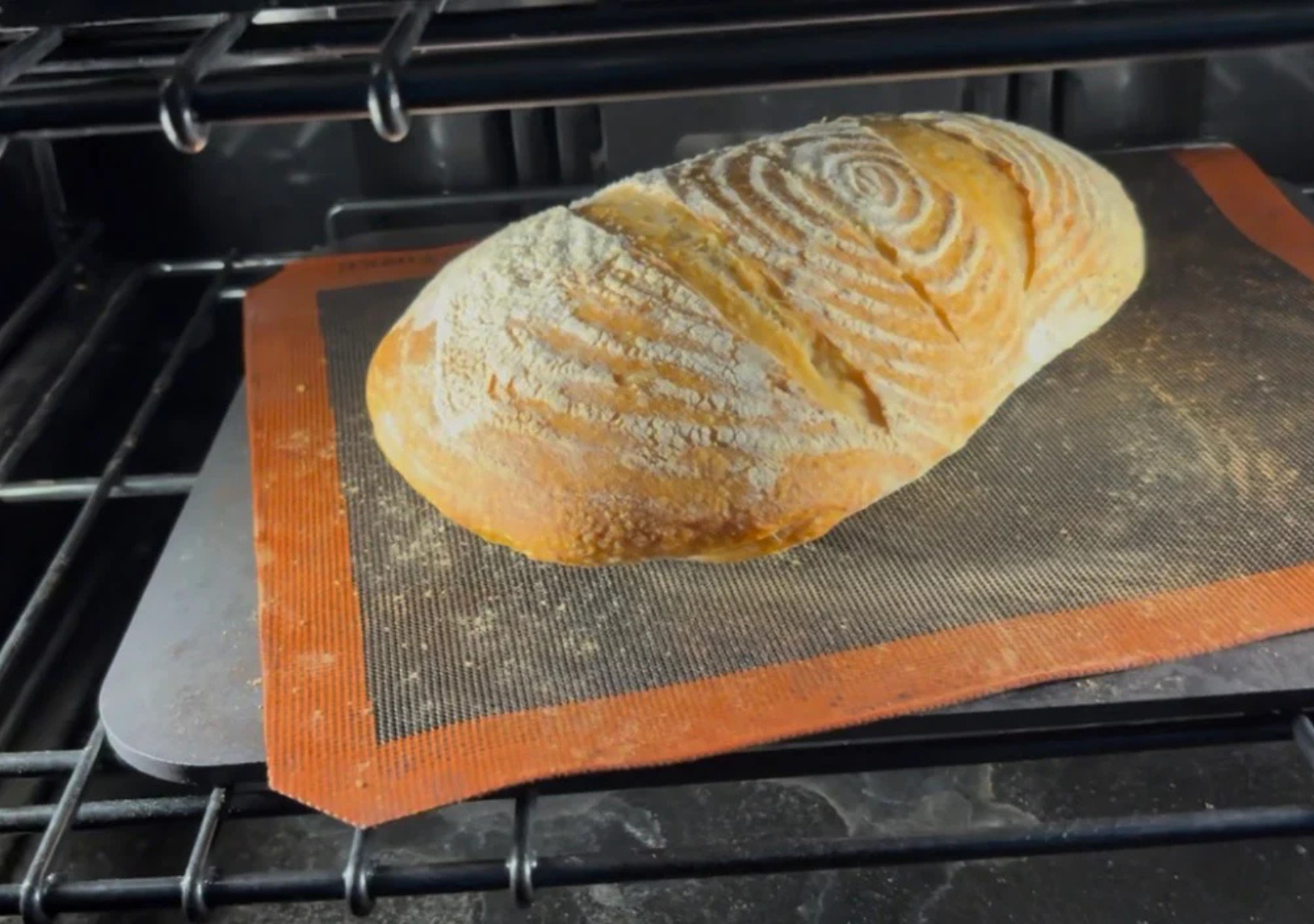
You don’t need a commercial kitchen to start your journey as a baker. Many successful professionals began experimenting in small home kitchens, learning through practice, mistakes, and consistent improvement.
If you dream of becoming a baker but don’t yet have access to a professional bakery, learning at home is not only possible — it can be incredibly powerful when done with intention.
This guide will show you how to turn your home kitchen into a training ground for professional-level baking skills.
Start With the Right Mindset
Learning at home requires discipline.
Without a chef supervising you, progress depends on:
- Self-organization
- Consistency
- Patience
- Willingness to analyze mistakes
Treat your home practice as seriously as professional training.
Schedule baking sessions.
Take notes.
Track progress.
Structure transforms hobby practice into skill development.
Master the Foundations First
Before attempting advanced sourdough or laminated dough, focus on core fundamentals.
Begin with:
- Basic white sandwich bread
- Dinner rolls
- Simple focaccia
- Classic artisan loaf
- Standard enriched dough
These recipes teach:
- Ingredient balance
- Dough handling
- Fermentation timing
- Shaping techniques
Strong fundamentals create long-term confidence.
Invest in Essential Tools Only
You don’t need industrial equipment to build skill.
Start with:
- Digital kitchen scale
- Mixing bowls
- Bench scraper
- Oven thermometer
- Baking sheet or loaf pan
Precision tools improve consistency.
Professional habits begin with accurate measurement and temperature control.
Learn Ingredient Science
Understanding ingredients is more important than memorizing recipes.
Study how:
- Flour protein affects structure
- Hydration influences crumb
- Salt regulates fermentation
- Yeast responds to temperature
- Sugar impacts browning
When you understand “why,” you gain control over outcomes.
This knowledge separates serious learners from casual bakers.
Practice Fermentation Awareness
Fermentation is the heart of bread baking.
At home, you can experiment with:
- Room temperature fermentation
- Cold fermentation overnight
- Reduced yeast for longer rise
- Increased hydration levels
Observe differences in:
- Flavor
- Texture
- Crumb openness
- Crust development
Hands-on experimentation builds intuition faster than theory alone.
Keep a Baking Journal
This habit dramatically accelerates improvement.
After every bake, write:
- Ingredient ratios
- Hydration percentage
- Room temperature
- Fermentation time
- Observations on crumb and crust
Over time, patterns become clear.
You’ll begin to understand how small adjustments influence results.
Professional bakers constantly analyze their work.
Analyze Your Bread Like a Professional
Don’t stop at appearance.
Slice your bread and evaluate:
- Crumb structure
- Air bubble distribution
- Evenness of bake
- Moisture level
- Texture consistency
Ask yourself:
- Was fermentation sufficient?
- Was shaping tight enough?
- Did oven spring perform well?
Critical thinking builds skill rapidly.
Use Online Resources Strategically
The internet offers endless tutorials — but not all are reliable.
Focus on:
- Reputable baking instructors
- Structured courses
- Educational baking books
- Step-by-step demonstrations
Avoid random recipes without explanation.
Choose resources that explain technique, not just instructions.
Create a Practice Schedule
Consistency builds muscle memory.
Instead of baking occasionally, try:
- One focused recipe per week
- Repeating the same recipe multiple times
- Making small adjustments intentionally
Repetition strengthens technique.
Skill is built through consistent exposure.
Experiment With Controlled Variations
Once you master a recipe, experiment carefully.
For example:
- Increase hydration by 5%
- Extend fermentation by two hours
- Use whole wheat flour instead of white
- Try cold proofing overnight
Compare results thoughtfully.
Intentional experimentation teaches cause and effect.
Simulate Professional Conditions
Even at home, you can mimic professional discipline.
- Measure everything precisely
- Clean as you work
- Prepare ingredients before mixing
- Set timers for fermentation stages
Organization improves efficiency and reduces mistakes.
Professional habits begin at home.
Build Physical and Technical Endurance
Baking requires stamina.
Practice:
- Hand kneading
- Repetitive shaping
- Early morning baking sessions
Conditioning your body prepares you for real bakery environments.
Strength and endurance matter in this profession.
Share Your Work for Feedback
Constructive feedback accelerates improvement.
You can:
- Join baking communities
- Share photos online
- Ask experienced bakers for advice
External perspective helps you identify blind spots.
Be open to criticism — it’s a growth tool.
Transitioning From Home Baker to Professional
When you consistently produce:
- Even crumb structure
- Reliable oven spring
- Balanced flavor
- Clean presentation
You’re approaching professional standards.
At that point, consider:
- Applying for bakery assistant roles
- Seeking apprenticeships
- Selling small batches locally (if regulations allow)
- Expanding into advanced techniques
Home learning builds the foundation for real-world opportunities.
Common Mistakes in Home Learning
Avoid:
- Baking inconsistently
- Skipping note-taking
- Rushing fermentation
- Attempting advanced techniques too soon
- Ignoring ingredient precision
Structured practice prevents frustration.
Measuring Your Progress
Track improvement over time by comparing:
- First loaf vs. tenth loaf
- Early crumb structure vs. recent bakes
- Fermentation control over several months
Progress builds motivation.
Even small improvements matter.
Turning Your Kitchen Into a Training Ground
Your home kitchen can become a powerful classroom if you:
- Practice intentionally
- Study consistently
- Analyze results critically
- Improve gradually
Professional baking skill is not limited to commercial kitchens.
It begins with discipline and curiosity.
Final Thoughts: Mastery Begins at Home
Learning baking at home is not a limitation — it’s an opportunity.
You control:
- Your schedule
- Your experimentation
- Your pace
- Your growth
With structure and dedication, your home kitchen becomes a workshop for mastery.
Every loaf you bake builds experience.
Every mistake teaches control.
Every improvement builds confidence.
You don’t need a bakery to start becoming a baker.
You just need flour, water, patience — and commitment.
Bake often. Observe carefully. Improve constantly.
Your professional journey can begin right at home.