
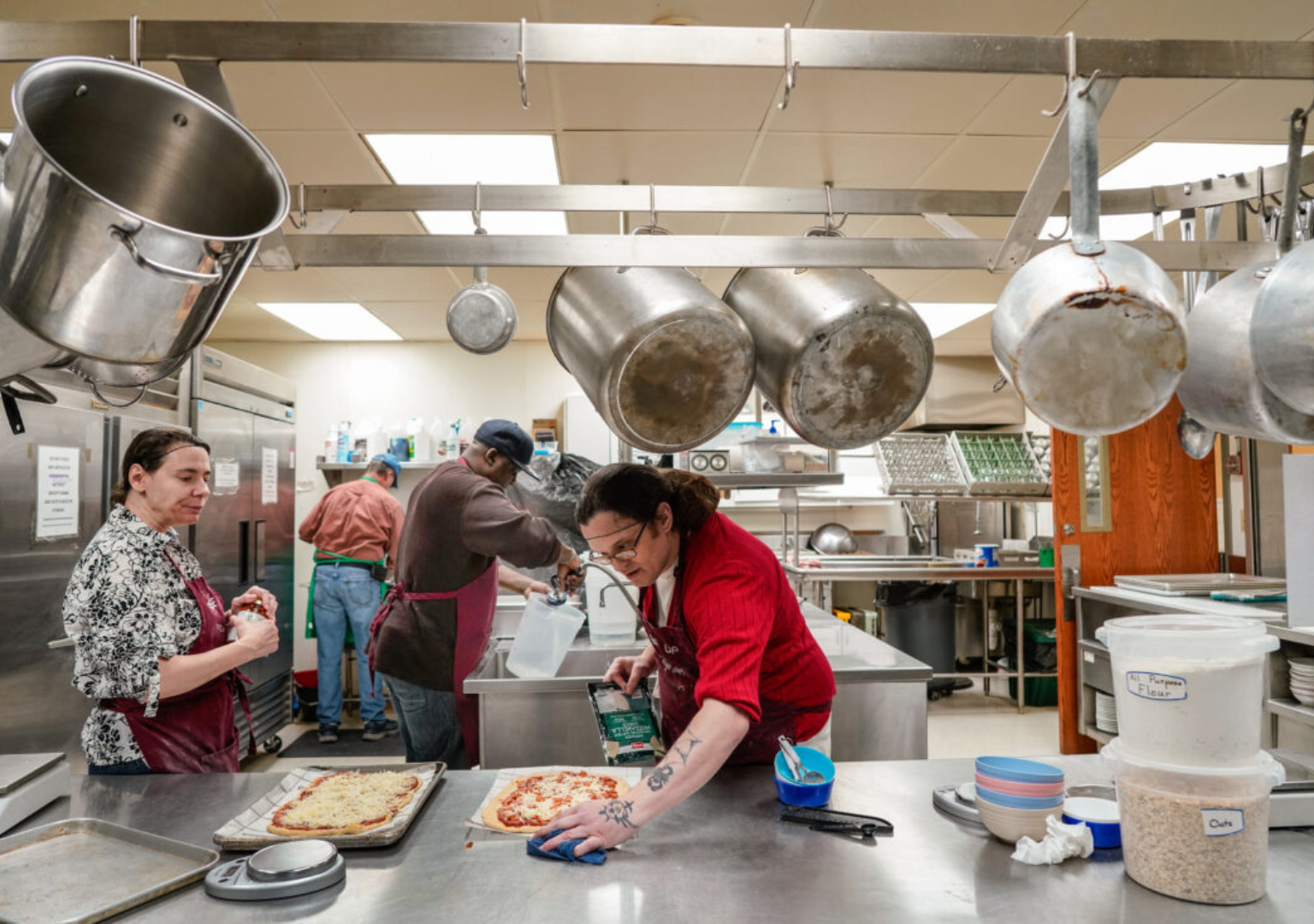
Becoming a baker is not just about following recipes. It’s about mastering a combination of technical knowledge, physical endurance, creativity, and discipline. While passion for bread and pastries is important, long-term success in baking requires developing specific skills that go far beyond the basics.
If you dream of building a career in baking, understanding and cultivating the right abilities will give you a strong competitive advantage. Below are the ten essential skills every aspiring baker should focus on.
1. Precision and Attention to Detail
Baking is a science. Unlike cooking, where improvisation is often welcome, baking demands accuracy.
Small mistakes can lead to:
- Dense bread
- Flat pastries
- Poor fermentation
- Incorrect texture
Professional bakers measure ingredients by weight, monitor fermentation times carefully, and control oven temperatures precisely.
Developing strong attention to detail ensures consistent results — and consistency is everything in professional baking.
2. Understanding of Ingredients
Every ingredient plays a specific role in baking. A skilled baker understands not just what to use, but why it’s used.
For example:
- Flour provides structure through gluten development.
- Yeast enables fermentation and rise.
- Salt strengthens gluten and enhances flavor.
- Sugar feeds yeast and adds sweetness.
- Fats contribute tenderness and richness.
When you understand ingredient functions, you can troubleshoot problems and adjust recipes confidently.
3. Mastery of Dough Handling
Dough is alive — especially when working with yeast or sourdough. Learning to “read” dough is a fundamental skill.
You must be able to:
- Recognize proper gluten development
- Identify underproofed or overproofed dough
- Adjust hydration levels
- Shape loaves properly
Touch and observation are critical. Over time, experienced bakers can tell the condition of dough simply by feeling its elasticity and texture.
Practice is the only way to refine this skill.
4. Time Management
Baking involves managing multiple processes simultaneously. Fermentation, proofing, mixing, and baking all operate on different timelines.
In a professional bakery, you may need to:
- Prepare multiple dough batches
- Monitor several ovens
- Organize early morning production
- Coordinate preparation schedules
Poor time management can lead to rushed products or wasted ingredients.
Developing strong organizational habits will help you stay efficient and calm under pressure.
5. Physical Stamina
Many people underestimate how physically demanding baking can be.
Professional bakers often:
- Work early morning or overnight shifts
- Stand for long hours
- Lift heavy flour bags
- Handle hot trays and equipment
Building physical endurance is part of preparing for this career. Wearing supportive shoes, maintaining good posture, and staying hydrated are essential habits.
Strength and resilience are as important as creativity in this field.
6. Cleanliness and Hygiene Discipline
Hygiene is non-negotiable in any food profession.
A good baker must consistently:
- Wash hands frequently
- Sanitize work surfaces
- Store ingredients properly
- Avoid cross-contamination
Clean-as-you-go habits improve efficiency and maintain food safety standards.
Professional kitchens value cleanliness just as much as baking talent.
7. Patience and Emotional Control
Fermentation cannot be rushed. Dough develops in its own time.
One of the most important skills in baking is patience.
You will face:
- Failed batches
- Burned crusts
- Collapsed loaves
- Unexpected humidity changes
Remaining calm and analytical instead of frustrated allows you to learn from mistakes.
Patience leads to mastery.
8. Creativity and Innovation
Once you master the fundamentals, creativity becomes your signature.
Great bakers experiment with:
- Unique flavor combinations
- Ancient grains
- Natural fermentation techniques
- Decorative scoring patterns
- Seasonal ingredients
Creativity allows you to stand out in a competitive market.
However, creativity works best when supported by strong technical foundations.
9. Problem-Solving Skills
Baking rarely goes perfectly every time.
A professional baker must quickly identify issues such as:
- Why didn’t the dough rise properly?
- Why is the crumb too dense?
- Why is the crust too pale?
- Why did the loaf spread instead of rise?
Problem-solving requires understanding variables like:
- Temperature
- Hydration
- Fermentation timing
- Flour quality
Developing analytical thinking will significantly accelerate your growth as a baker.
10. Business Awareness
Even if you don’t plan to open your own bakery immediately, business knowledge is a valuable skill.
Understanding:
- Ingredient costs
- Pricing strategies
- Production efficiency
- Customer preferences
- Waste reduction
makes you a more valuable professional.
For those who dream of entrepreneurship, early business awareness creates a smoother transition from employee to owner.
How to Start Developing These Skills Today
You don’t need a commercial bakery to begin building these abilities.
Here’s how you can start immediately:
- Practice baking consistently at home
- Keep a baking journal
- Study professional baking books
- Take structured online courses
- Seek mentorship from experienced bakers
- Work part-time in a local bakery
Skill development is gradual. The more you practice with intention, the faster you improve.
The Difference Between Hobby and Profession
Many people enjoy baking occasionally. But turning baking into a career requires discipline.
The difference lies in:
- Consistency over time
- Willingness to wake up early
- Maintaining quality standards
- Accepting constructive criticism
- Continuous improvement
Professional bakers treat baking as a craft that demands dedication, not just inspiration.
Long-Term Growth in Baking
As you strengthen these ten essential skills, new opportunities begin to open.
You may choose to specialize in:
- Artisan sourdough
- Pastry and laminated dough
- Whole grain baking
- Decorative bread art
- Health-conscious formulations
With time and experience, you can evolve into roles such as:
- Head baker
- Production manager
- Recipe developer
- Baking instructor
- Bakery owner
The foundation always starts with mastering the core skills.
Building Confidence Through Practice
Confidence in baking doesn’t appear overnight. It grows through repetition.
Each loaf teaches something:
- How dough reacts to humidity
- How scoring affects oven spring
- How fermentation enhances flavor
- How timing impacts texture
Instead of fearing mistakes, treat them as lessons.
Consistency builds confidence, and confidence builds professionalism.
The Path Forward
If you truly dream of becoming a baker, focus on skill development rather than immediate perfection.
Work on:
- Precision
- Dough handling
- Time management
- Physical stamina
- Creativity
- Business understanding
These skills form the backbone of a successful baking career.
Baking is one of the few professions where science, art, and craftsmanship meet in perfect harmony. When you commit to mastering these essential skills, you’re not just learning how to make bread — you’re building a future in a respected and rewarding craft.
Keep practicing. Stay disciplined. Respect the process.
The oven is just the beginning.